
Last updated October 30, 2026
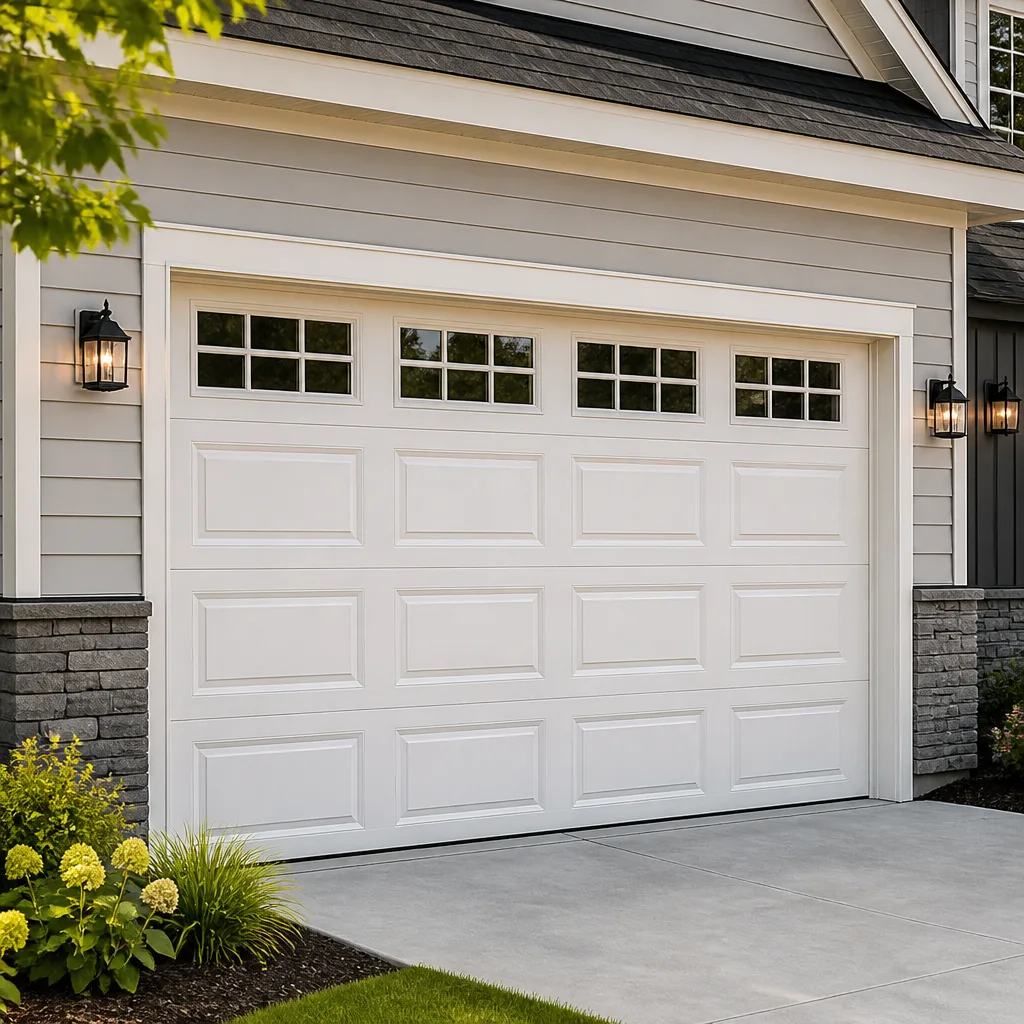 Raised-panel steel
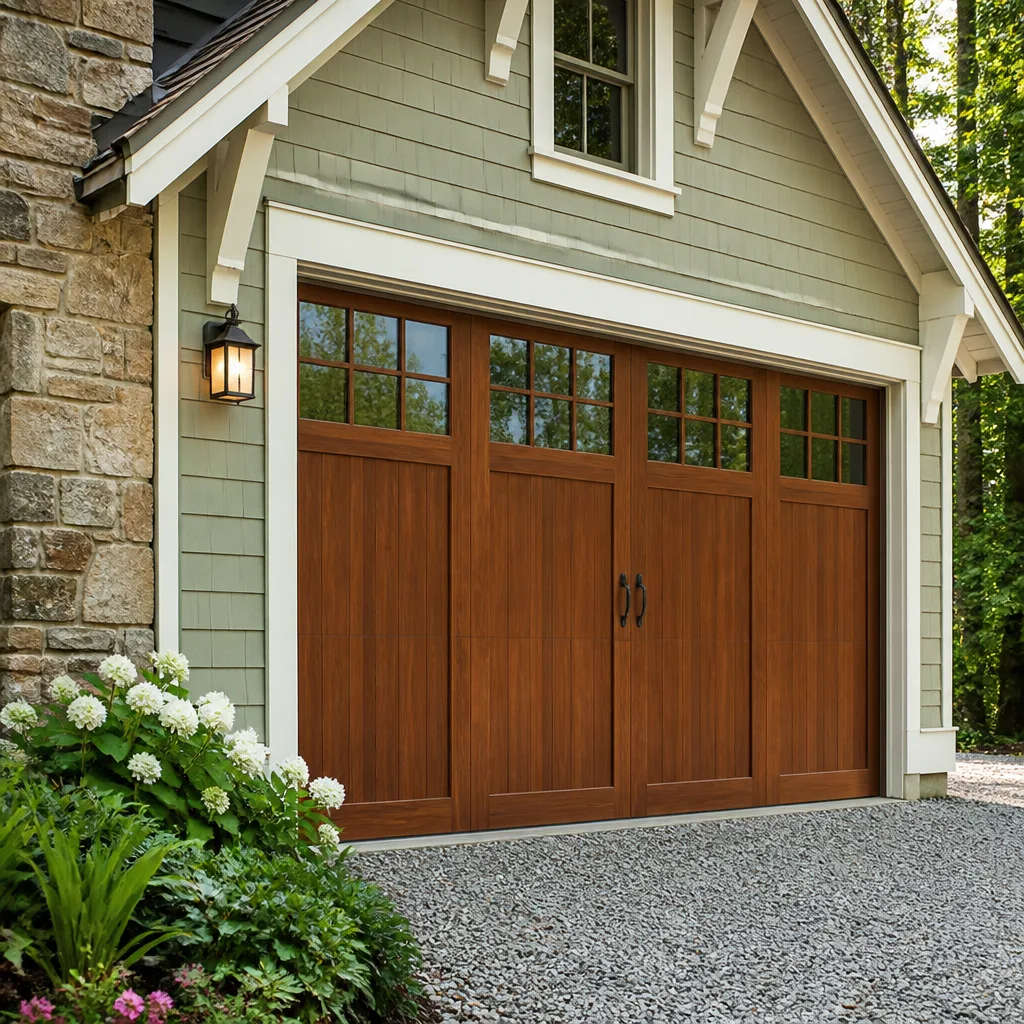 Carriage house
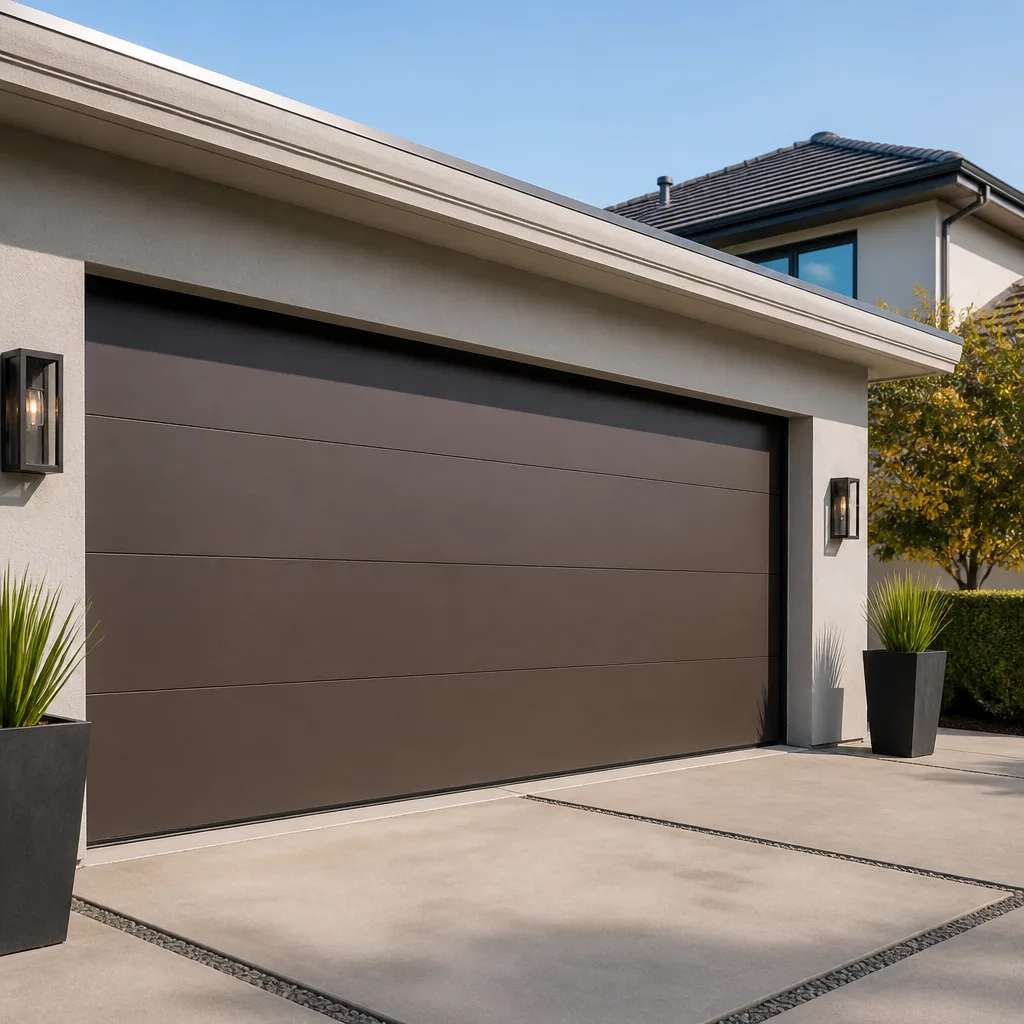 Modern flush
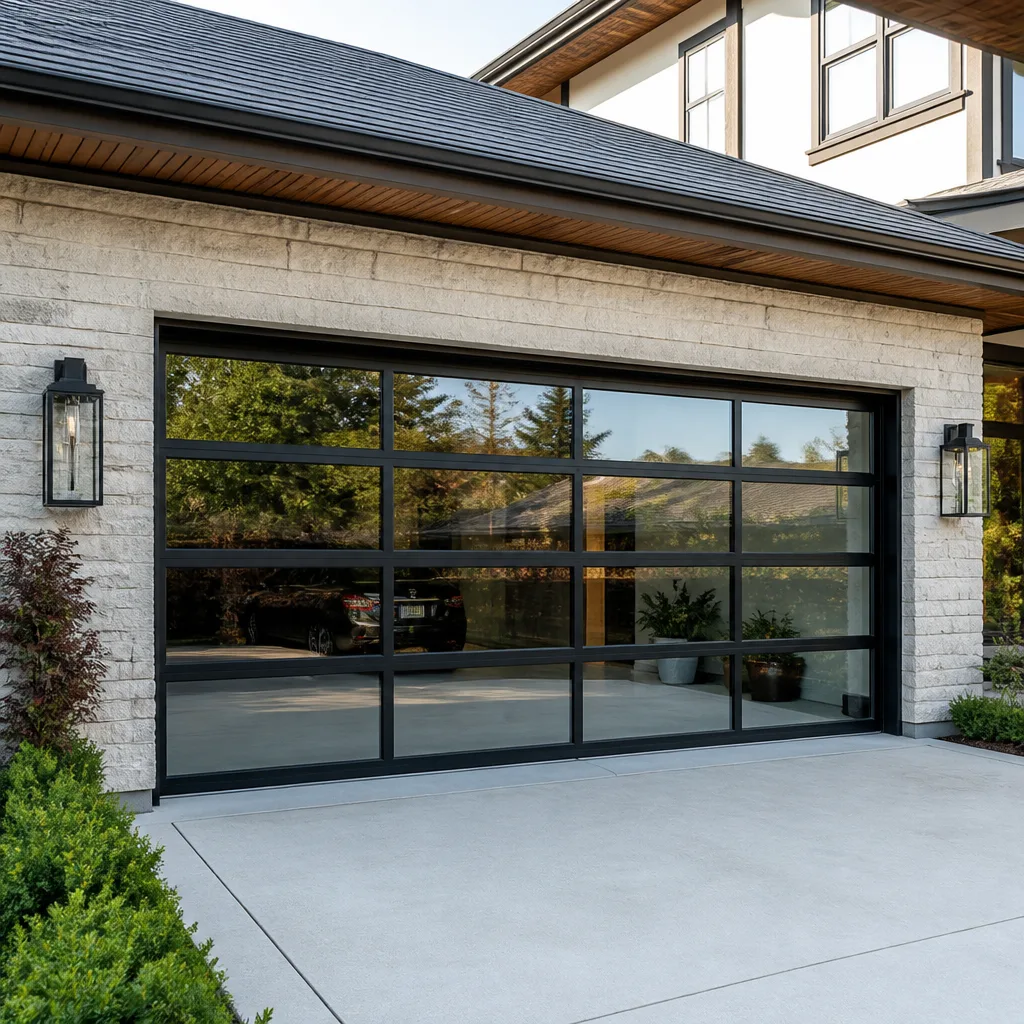 Full-view glass
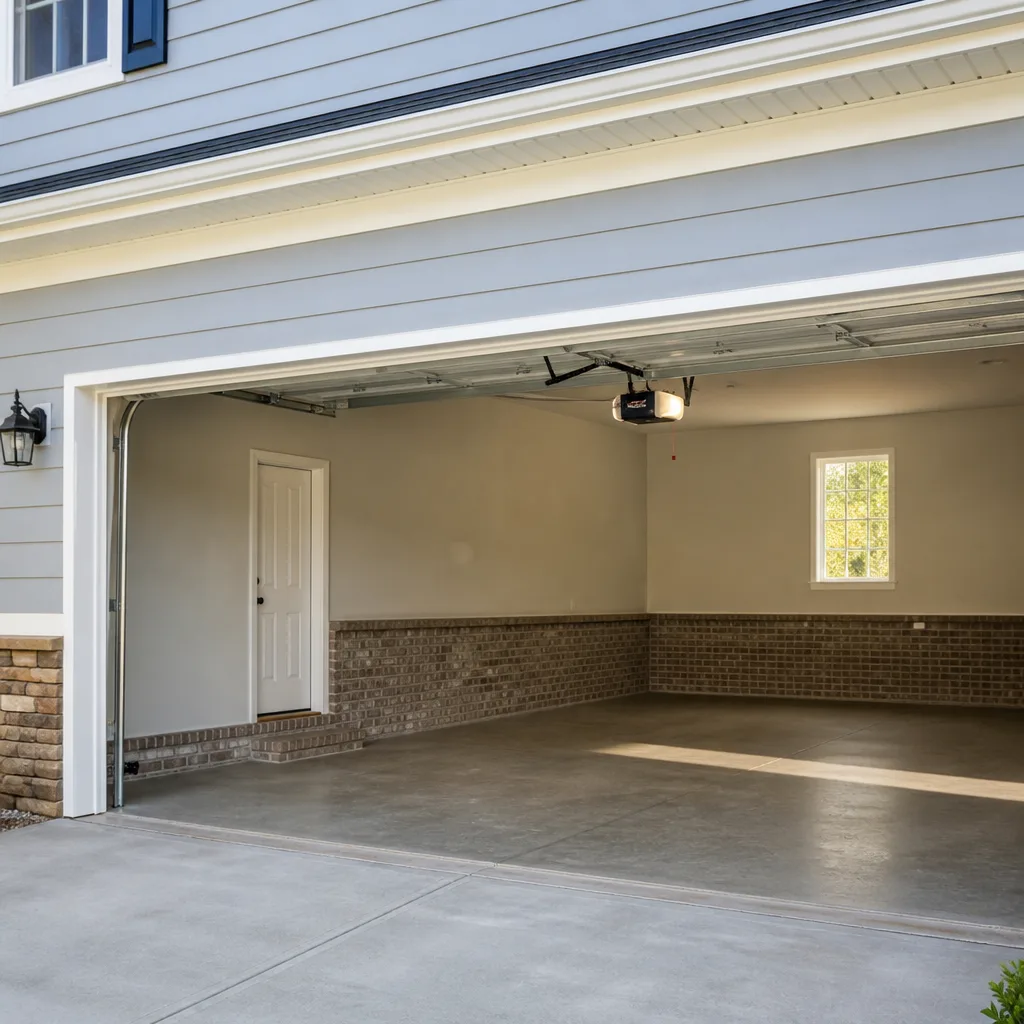 LiftMaster openers
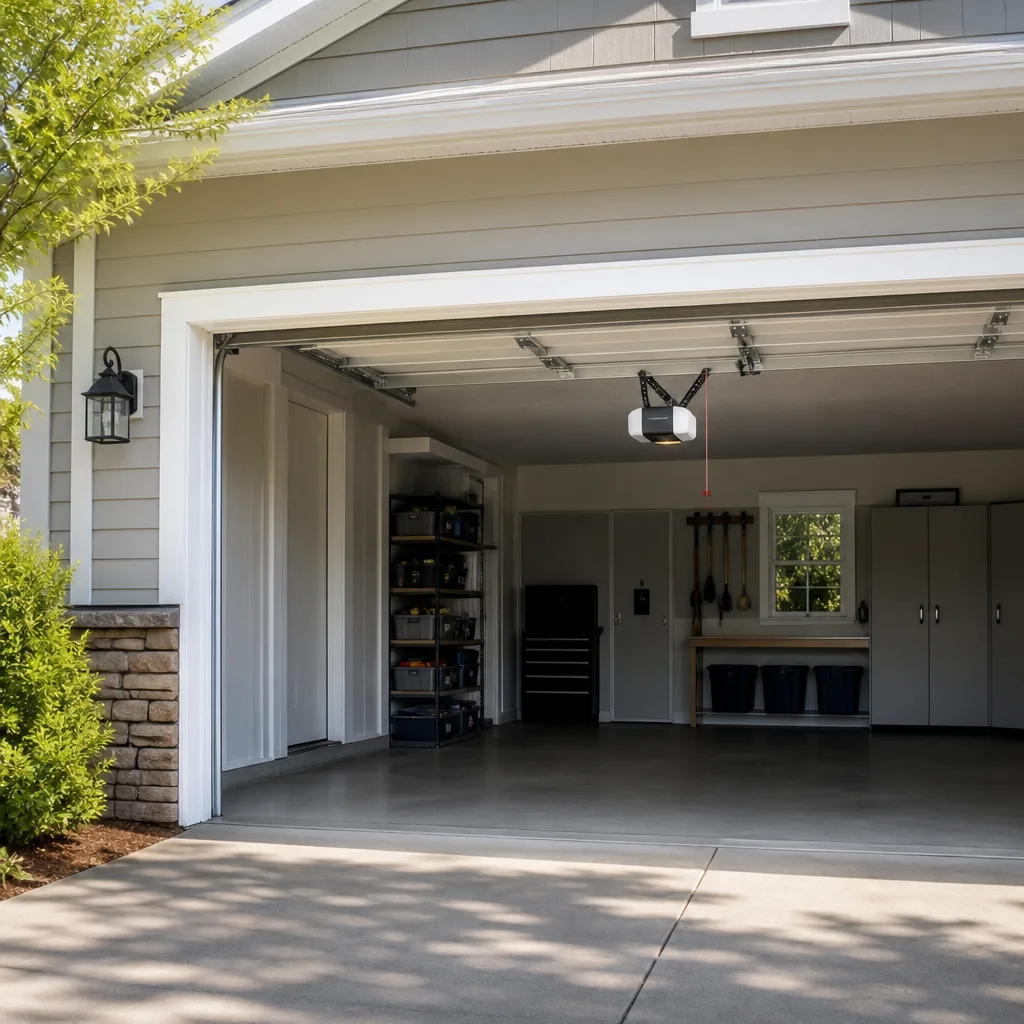 Chamberlain openers
Full 25-point door and opener safety check with every visit - springs, cables, rollers, tracks, and your LiftMaster or Chamberlain opener included
You get a price before we start. It does not change when the truck arrives.
Get your free estimateHow to Hire a Garage Door Contractor in Jacksonville: A Step-by-Step Guide
Florida law requires garage door contractors to hold a Specialty Contractor license, yet a significant share of the operators advertising on Craigslist and Facebook Marketplace in Jacksonville carry none. They’re often the same ones offering the fastest estimates and the lowest numbers. This guide walks you through exactly how to separate a licensed Jacksonville contractor from a gamble, what paperwork matters before you sign, and the questions that expose an operator who cuts corners on wind-load compliance. You’ll finish with a clear process you can use the same day you start looking.
Styles & brands we work with
Quick Answer
To hire a garage door contractor in Jacksonville, verify their Florida Specialty Contractor license on the DBPR website, confirm they carry workers’ compensation and general liability insurance, and ask specifically about Florida Product Approval and wind-load compliance before signing anything. Get at least two written estimates, compare them line by line, and never pay more than a small deposit before work begins. A licensed contractor with documented wind-load knowledge will cost more than a cash-only Craigslist operator, and that gap is the cheapest insurance you’ll ever buy on your home.
Table of Contents
- Step 1: Verify the Florida Specialty Contractor License
- Step 2: Confirm Insurance and Workers’ Compensation Before They Touch Your Door
- Step 3: Ask About Wind-Load Compliance and Florida Product Approval
- Step 4: Get Written Estimates and Read Them Line by Line
- Step 5: Watch for Jacksonville-Specific Red Flags
- Step 6: Ask the Questions That Expose an Unqualified Operator
- Step 7: What to Confirm Before You Sign the Contract
- Common Mistakes to Avoid
- When to Call a Professional
- Frequently Asked Questions
- The Bottom Line
Step 1: Verify the Florida Specialty Contractor License
Here’s the uncomfortable reality about the Jacksonville garage door market: unlicensed operators are easy to find, and they often look more legitimate than the licensed ones. They have polished Facebook pages, printed invoices, and trucks with magnetic signs. What they don’t have is a Florida Specialty Contractor license, and that single missing document changes everything about your legal position if something goes wrong.
Florida categorizes garage door installation and repair under specialty contracting. The license is issued by the Florida Department of Business and Professional Regulation (DBPR), and verifying one takes under two minutes. Visit the DBPR online lookup at myfloridalicense.com, enter the contractor’s name or license number, and check the status. You’re looking for “Current, Active” – not “Delinquent,” not “Null and Void,” not “Application in Process.” An expired license is the same as no license in the eyes of the state.
What does having a license actually protect? First, it means the contractor has passed an examination that covers Florida Building Code requirements, including the wind-load provisions that matter in Jacksonville. Second, it means the contractor answers to the DBPR if you file a complaint. Third, it means the contractor carries the minimum insurance the state requires to hold that license. None of those protections exist with an unlicensed operator.
If a contractor hesitates when you ask for the license number, that’s your answer. A licensed contractor in Jacksonville will give you the number before you finish the sentence because every licensed contractor has been asked for it a hundred times.
Step 2: Confirm Insurance and Workers’ Compensation Before They Touch Your Door
A Florida Specialty Contractor license confirms baseline insurance exists, but you should still ask for the specifics. Garage door work involves high-tension springs, heavy panels, electrical opener components, and ladders. Injuries in this trade are real, and if a worker gets hurt on your property in Jacksonville without proper workers’ compensation coverage, your homeowner’s insurance may be the one to pay.
Ask for a certificate of insurance directly from the contractor’s provider. You want two specific line items: general liability coverage and workers’ compensation. General liability protects your home if the contractor damages it. Workers’ compensation protects you from liability if a technician gets hurt. Ask for the certificate to be emailed to you before the work begins. A legitimate contractor will have a process for this.
In our experience around Jacksonville, the contractors who dodge the insurance question are the same ones who want cash payment and no receipt. That’s not a coincidence. The paper trail is what protects you. If a contractor can’t produce a certificate of insurance within a business day, move on.
One more point worth stating plainly: liability insurance does not cover poor workmanship. A contractor can be insured and still do a bad job. But when a bad job causes property damage or injury, the insurance question becomes the difference between a claim that gets paid and a contractor who disappears.
Step 3: Ask About Wind-Load Compliance and Florida Product Approval
This is the step most Jacksonville homeowners miss entirely, and it’s the one that separates a real garage door contractor from a handyman with a truck. Jacksonville sits in a high-velocity hurricane zone. The Florida Building Code requires garage doors to meet specific wind-load ratings, and those ratings vary by location, exposure, and door size. A door that meets code in inland Georgia may not meet code in Jacksonville Beach or along the St. Johns River.
Florida Product Approval documentation exists for nearly every garage door and opener sold in the state. It’s a document that certifies the product has been tested to meet Florida’s wind-load standards for specific applications. Smart homeowners ask about this at hire time, not at inspection time. If a contractor installs a door without wind-load documentation and you later file an insurance claim or try to sell the home, the missing paperwork becomes your problem.
Ask the contractor this directly: “Can you provide Florida Product Approval documentation for the door and the installation method you’re proposing?” A qualified contractor will say yes without blinking. An unqualified one will look confused or change the subject. The answer matters because your insurance company can deny a hurricane-related claim if the door fails and was never properly rated for Jacksonville’s wind zone.
Step 4: Get Written Estimates and Read Them Line by Line
A verbal quote is a wish. A written estimate is a document you can hold someone to. Before you hire anyone in Jacksonville, get at least two written estimates for the same scope of work. Then read them the way you’d read a contract, because that’s what they are.
Here’s what a legitimate garage door estimate in Jacksonville should include, line by line:
- Door or opener model and manufacturer: If it says “standard door” without a brand name, ask for the exact model. A Chamberlain, Genie, Clopay, or Amarr system has a specific model number. Vague language is a red flag.
- Labor and materials separated: You have a right to know what you’re paying for the product and what you’re paying for the work.
- Springs and hardware specification: For door replacement or spring work, the estimate should specify spring size, cycle rating, and whether hardware like rollers and hinges are included.
- Disposal of old door or opener: Some estimates quietly exclude haul-away. In Jacksonville, that can mean a $75-$150 surprise.
- Permit language: If the estimate doesn’t mention whether a permit is required, ask. It matters for insurance and resale.
- Payment terms: A down payment is normal. Full payment before work is not.
The phrase “standard installation” deserves special attention. In Jacksonville, many homes have non-standard headroom – the space between the top of the garage door opening and the ceiling. Older homes in Riverside, Avondale, and San Marco frequently have tight headroom that requires low-headroom track kits or specific torsion spring configurations. If your estimate says “standard installation” and your home has anything unusual about the garage, ask what’s excluded. Low-headroom hardware typically adds cost, and a contractor who doesn’t mention it until the day of install is setting up for a change order.
Step 5: Watch for Jacksonville-Specific Red Flags
Jacksonville has its own rhythm when it comes to garage door work, and certain patterns repeat often enough that we can point to them directly. The most common one: storm chasers. After hurricane season, out-of-state trucks appear in Jacksonville neighborhoods going door to door with “storm specials.” Some of these operators do fine work. Many do not, and the problem is that six months later, when the door starts binding or the opener fails, the truck is in another state and the phone number rings to nothing.
Here are the red flags that show up most often in Jacksonville specifically:
- Out-of-state license plates on a contractor truck combined with no local address. Ask where the business is physically located. A PO box or a UPS store address is not a physical location.
- Door-to-door solicitation after a storm. Licensed Jacksonville contractors don’t need to go door to door. Their phones ring without it.
- Quotes that come in far below every other bid. If three contractors quote between $1,200 and $1,400 for a job and one quotes $600, the low bidder is either using unlicensed labor, skipping insurance, or planning to substitute materials.
- Pressure to sign today. A legitimate contractor in Jacksonville will honor a written estimate for at least a week. “This price is only good while I’m standing here” is a tactic, not a policy.
- No mention of wind-load rating when you live east of US-1 or near the Intracoastal. If the contractor doesn’t bring it up in those areas, they don’t understand Jacksonville’s Code requirements.
Step 6: Ask the Questions That Expose an Unqualified Operator
A licensed contractor expects questions. An unlicensed one avoids them. The fastest way to test a contractor before you hire is to ask specific, technical questions and watch how they answer. The exact words matter less than whether the answer sounds like it came from someone who has done this work in Jacksonville homes for years.
Here are seven questions to ask every garage door contractor you’re considering:
- “Can I have your Florida Specialty Contractor license number?” Then verify it on the DBPR website before you proceed. This takes two minutes and eliminates a large share of bad actors immediately.
- “Will you provide a certificate of insurance before work begins?” The answer is yes or no. Anything else means no.
- “What wind-load rating does this door carry, and is it appropriate for my home’s exposure category?” A real Jacksonville contractor discusses this fluently. A handyman starts hedging.
- “Can you provide Florida Product Approval documentation for the specific door and installation?” This is the document that matters at inspection time and claims time. Get it in writing.
- “Who handles the permit, and what does that cost?” In Jacksonville, garage door replacement typically requires a permit. The contractor should know the process and the fee.
- “What’s your warranty policy, and is it in writing?” Verbal warranties are worthless. A written warranty with clear terms is standard from established Jacksonville contractors.
- “If something fails after installation, when can I expect someone back out here?” Listen for a specific answer, not a vague “we’ll take care of you.”
These questions work because they’re specific. An operator who has never pulled a permit in Duval County won’t know the answer to question five. An operator who doesn’t carry insurance will stammer on question two. You don’t need to be a garage door expert to identify someone who isn’t one either.
Step 7: What to Confirm Before You Sign the Contract
The contract is the last line of defense, and most homeowners sign it without reading the fine print. Before you put your signature on anything in Jacksonville, confirm these specific items are in writing:
- Total price, including tax, permit fees, and disposal. The contract should match the estimate line for line. If it doesn’t, the changes should be explained in writing.
- Scope of work in plain language. What exactly is being installed or repaired? Which models? Which parts? A contract that says “install garage door” is not a contract. It’s a suggestion.
- Start and completion dates. Garage door work in Jacksonville rarely takes more than a day or two once parts are ordered. A contractor who won’t commit to a completion window is not planning to prioritize your job.
- Payment schedule. A reasonable structure is a deposit (often 25-50% for custom doors, less for standard replacements) with the balance due upon completion. Anything that asks for full payment upfront is a red flag.
- Warranty terms in writing, specifying what’s covered, for how long, and what voids the warranty.
- Change order policy. If the scope changes once work begins, how are additional costs handled? This should be explicit, not assumed.
Once the contract is signed, keep a copy. Keep the estimate, the certificate of insurance, the Florida Product Approval documentation, and any permit paperwork in the same file. In Jacksonville, that file is what protects you if the work is ever called into question by an insurer, an inspector, or a future homebuyer’s inspector.
Common Mistakes to Avoid
- Hiring based on speed alone. The contractor who can come out this afternoon is often the one who has nothing else scheduled. A full calendar in Jacksonville is usually a sign of repeat business and referrals.
- Not verifying the license before work begins. Asking for the number is not the same as verifying it. The DBPR lookup takes two minutes and is the single highest-value check you can do.
- Assuming your homeowner’s insurance covers unlicensed work. Most policies have exclusions for damage caused by unlicensed contractors. Read your policy or call your agent.
- Accepting a verbal estimate. If it’s not in writing, it didn’t happen. Get every quote emailed to you so you have a record of what was promised.
- Ignoring the wind-load question entirely. In Jacksonville, a garage door is part of your home’s structural envelope during a storm. A door that fails under wind pressure can take your roof with it.
- Paying in cash without a receipt. Cash payments leave no trail. If the contractor disappears, you have no proof of payment and no leverage.
- Skipping the permit. Some contractors will offer to “save you money” by not pulling a permit. In Duval County, that savings can become an insurance claim denial or a red flag at resale.
When to Call a Professional
Some garage door situations are clearly beyond DIY, and we’ve seen enough of them in Jacksonville to list them without hesitation. A cable that has snapped while the door is under tension. A spring that has broken into two pieces. A door that has jumped its track and is hanging at an angle. An opener that makes grinding noises or a door that reverses unexpectedly. These are not the time for a YouTube tutorial. High-tension springs and cables store enough energy to cause serious injury, and a door that falls from its track can be hundreds of pounds. If you’re seeing any of these, that’s a call to a licensed professional. Heritage Garage Door Service offers free estimates in Jacksonville – call (833) 711-2679 to schedule one.
Frequently Asked Questions
Visit the Florida DBPR website at myfloridalicense.com, enter the contractor’s name or license number, and confirm the license status reads “Current, Active.” Garage door contractors in Florida must hold a Specialty Contractor license specifically for garage door work. A general contractor license or a handyman exemption does not cover garage door installation or repair in Jacksonville; see our Complete Garage Door Repair Guide for Jacksonville Homeowners for more details.
Garage door repair in Jacksonville typically ranges from $150 to $400 for common issues like spring replacement, while full door replacement ranges from $1,200 to $4,000 depending on the door model, size, and wind-load requirements. Opener replacement typically falls between $350 and $750 installed. These ranges reflect the Jacksonville market and assume a licensed, insured contractor. Call (833) 711-2679 for an exact quote – estimates are free.
Yes, most garage door replacements in Jacksonville require a permit through the City of Jacksonville Building Inspection Division. Repairs that don’t alter the structure, like spring replacement or opener repair, typically don’t require a permit. Your contractor should handle the permit process and include the fee in the written estimate. A contractor who offers to skip the permit is asking you to accept liability for their shortcut.
Florida Product Approval is a certification that a building product, including garage doors, has been tested to meet Florida Building Code requirements, including wind-load resistance. It matters because your insurance company can deny a hurricane damage claim if the door was never approved for Jacksonville’s wind zone. Ask for the approval documentation before you sign a contract, not after the work is done.
Storm chasers typically appear in Jacksonville neighborhoods after severe weather, work out of out-of-state trucks, offer door-to-door “storm specials,” and can’t provide a local business address or a verifiable Florida Specialty Contractor license number. Legitimate Jacksonville contractors have physical locations, local phone numbers, and a license you can verify on the DBPR website in two minutes.
A proper garage door estimate in Jacksonville should include the exact door or opener model and manufacturer, labor and materials separated, spring and hardware specifications, disposal of the old door, permit language, and payment terms. If the estimate says “standard installation” and your home has non-standard headroom, ask what’s excluded. Vague estimates are how change orders happen.
The Bottom Line
Hiring a garage door contractor in Jacksonville comes down to verification, not intuition. Verify the license on the DBPR website. Verify the insurance with a certificate. Verify the wind-load documentation before you sign. Ask the questions that expose unqualified operators, and read the estimate line by line so you know exactly what you’re paying for. The contractors who pass every check are the ones you want working on your home because they’ve built their business around doing the job the way Florida requires it to be done. Heritage Garage Door Service works on the full garage door system – the door panels, the springs and tracks, and the opener – and we’re happy to walk through every verification step with you. Call (833) 711-2679 for a free estimate and a straight answer.
Written by the team at Heritage Garage Door Service, serving Jacksonville since 2018. Explore more guides & resources on our blog.
See the difference
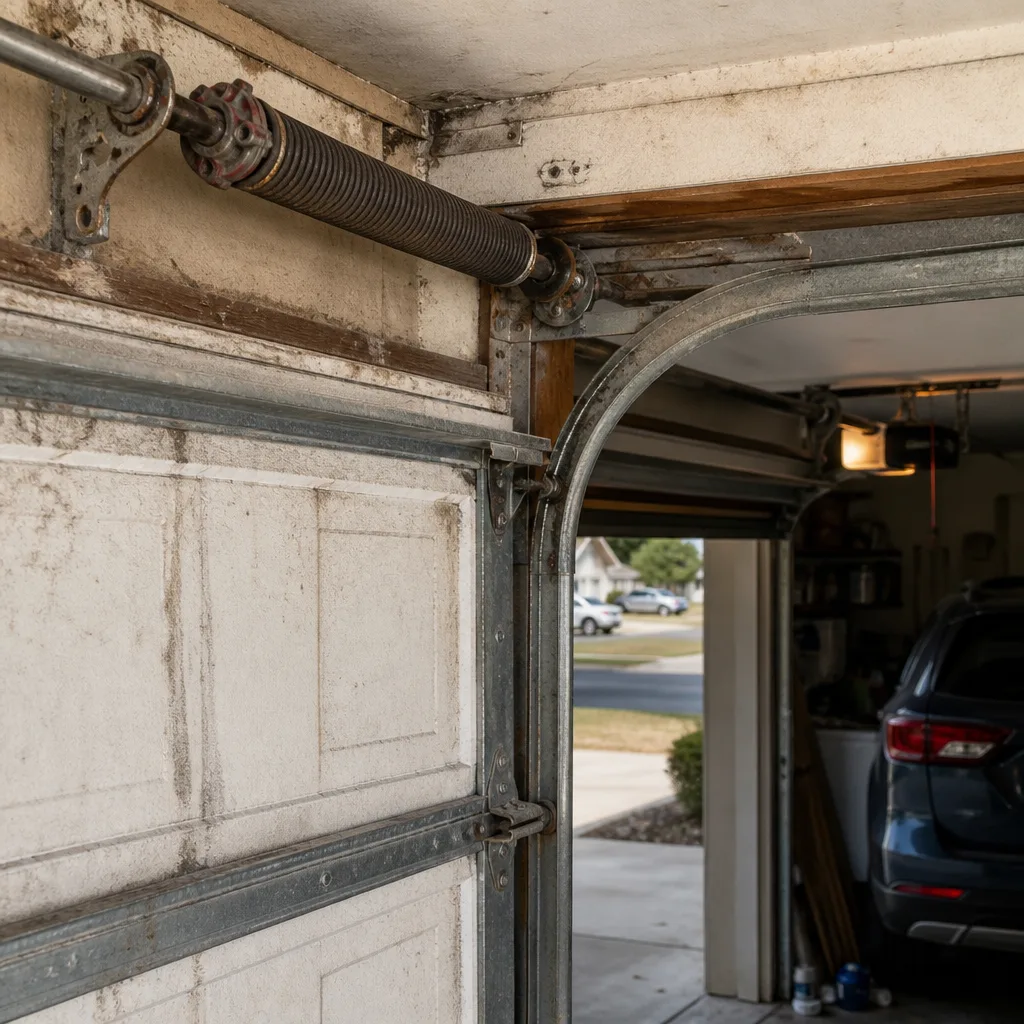 Before
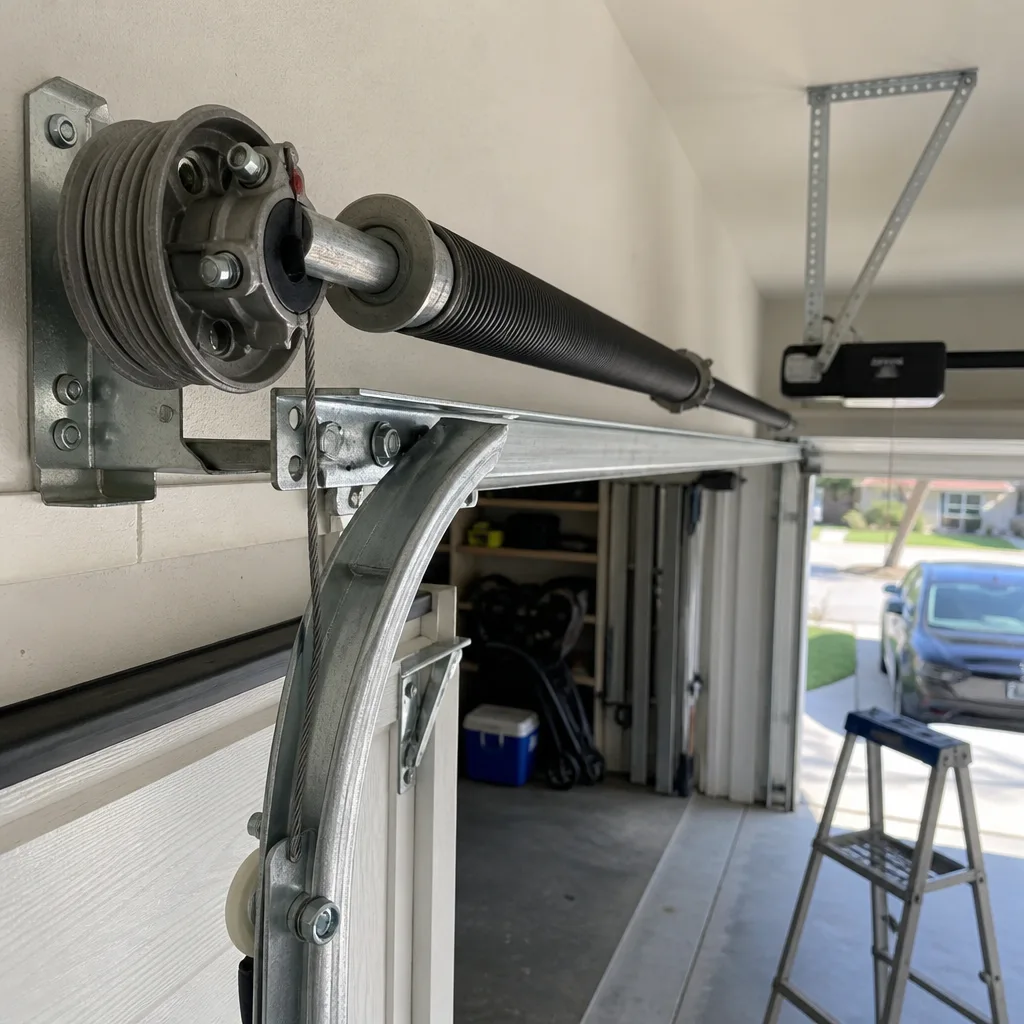 After
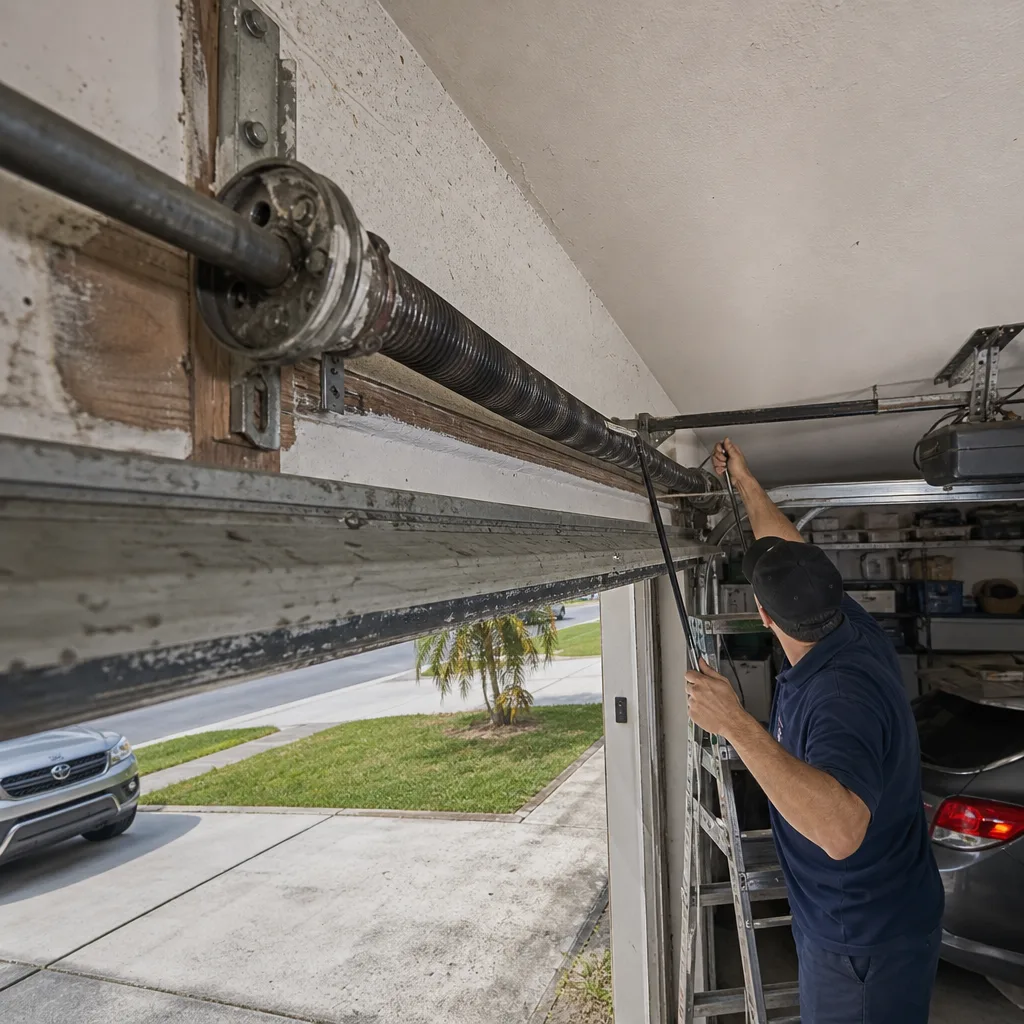 Before
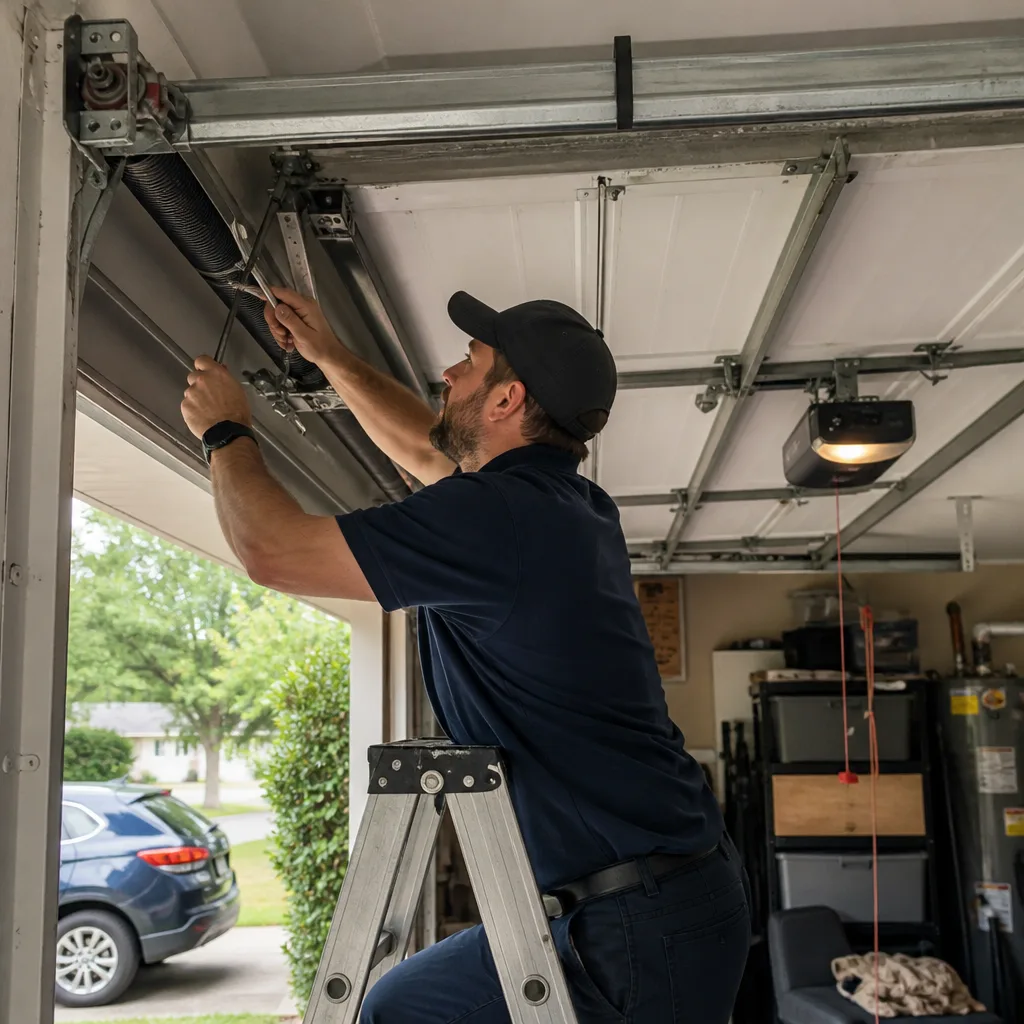 After
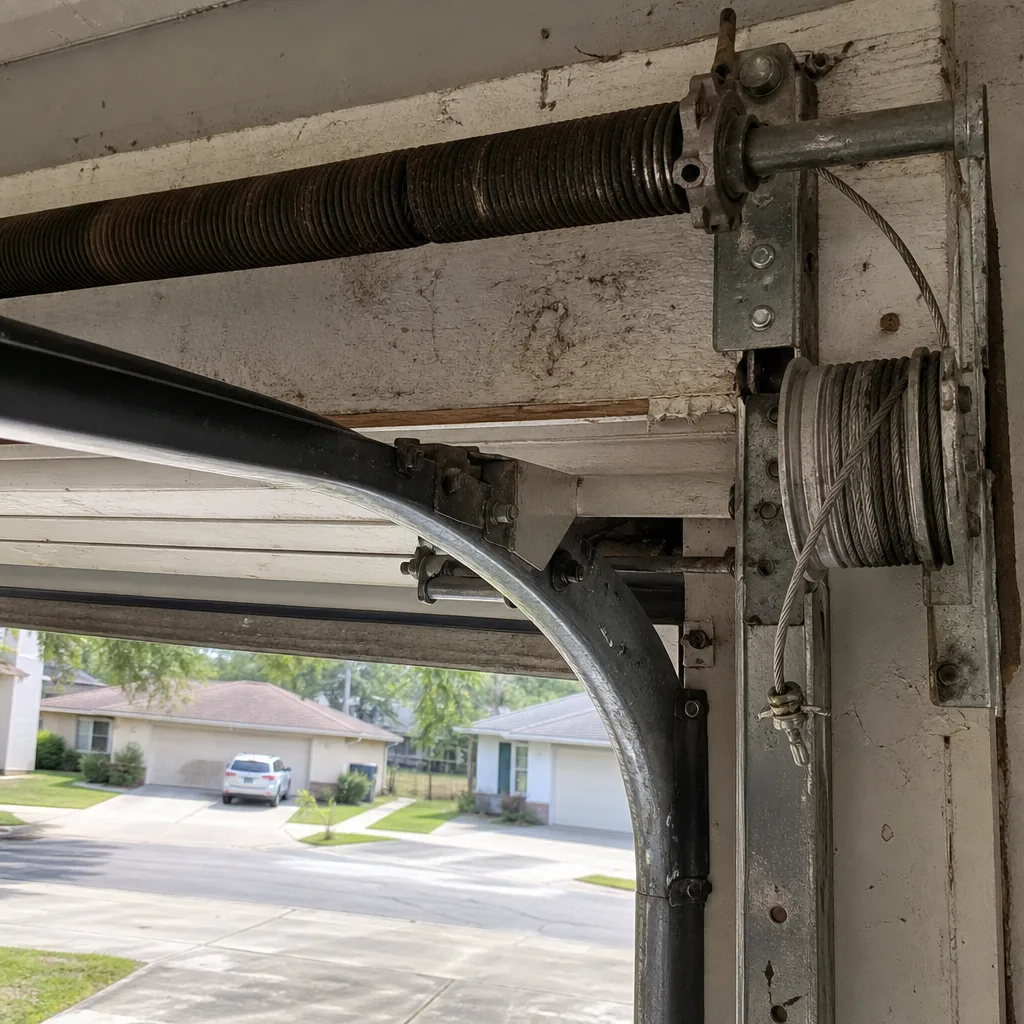 Before
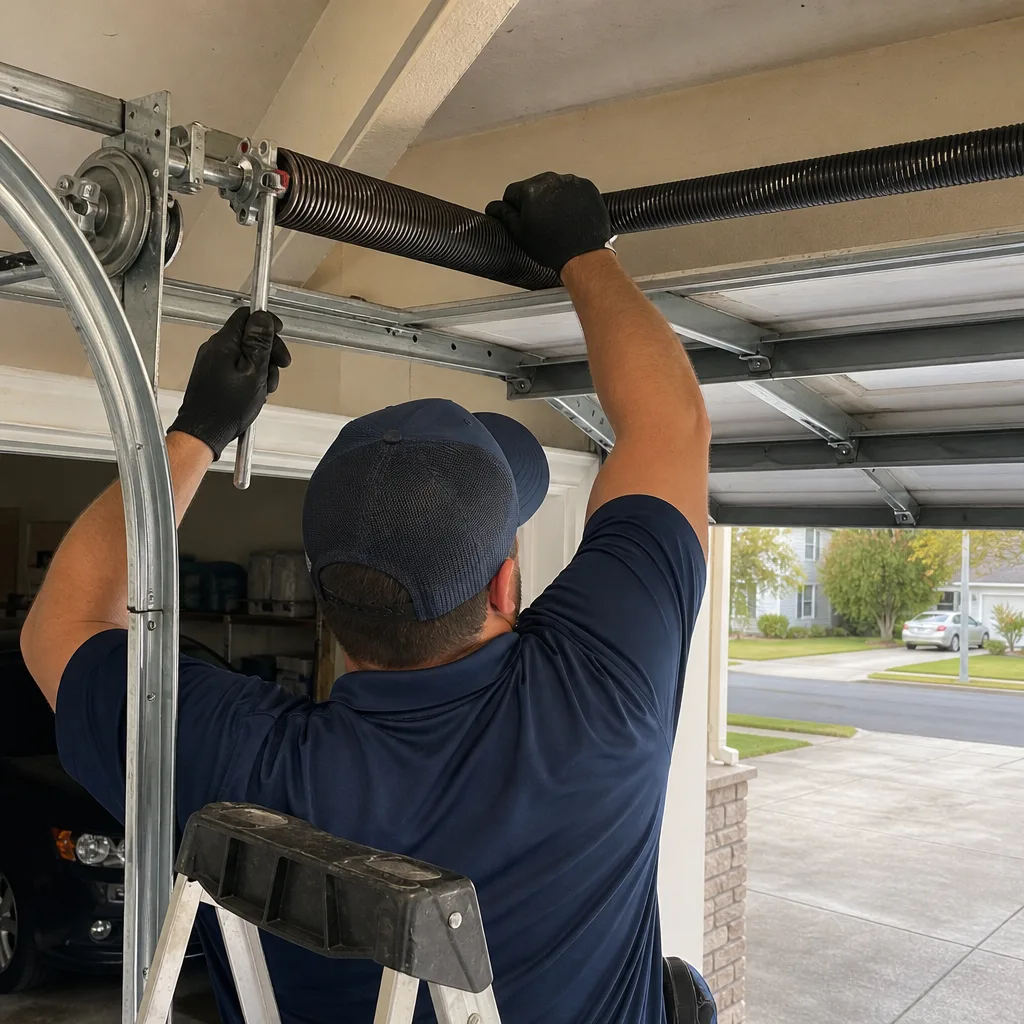 After