
Last updated October 30, 2026
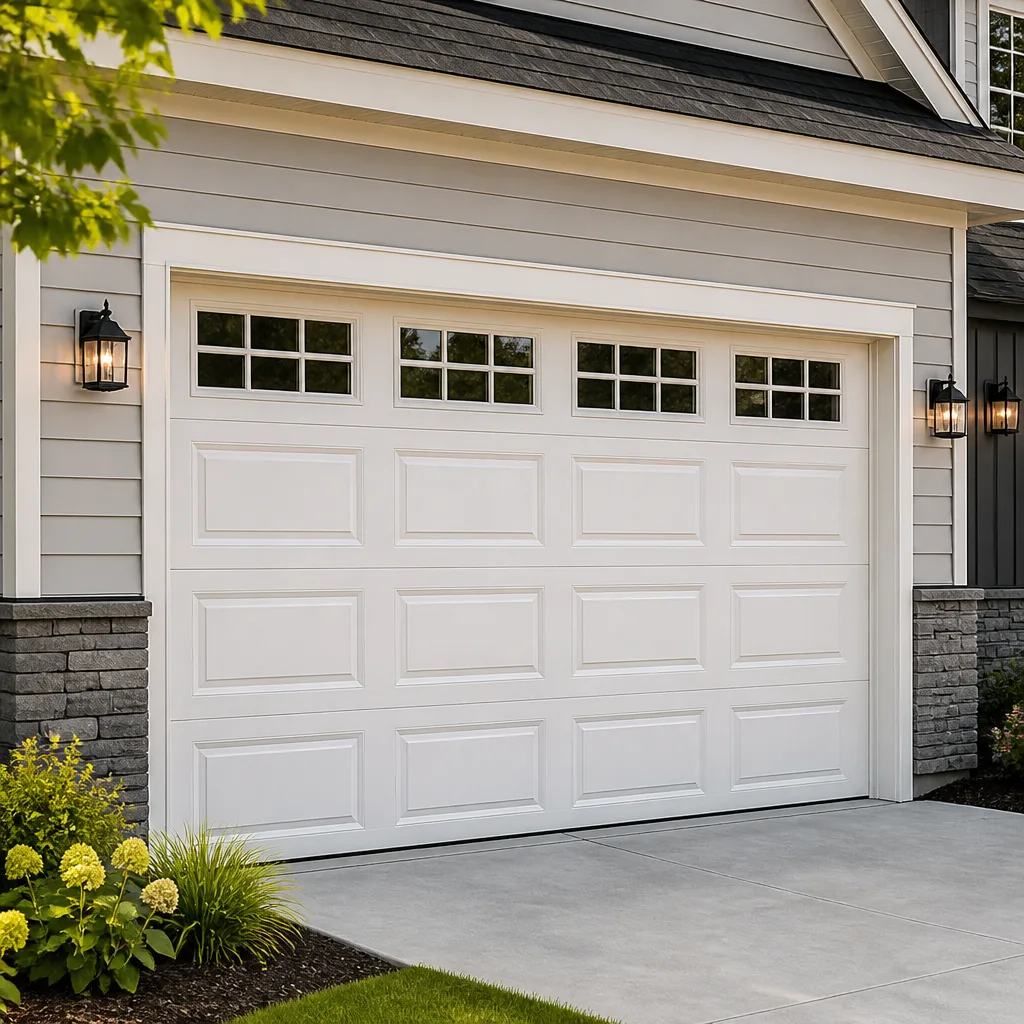 Raised-panel steel
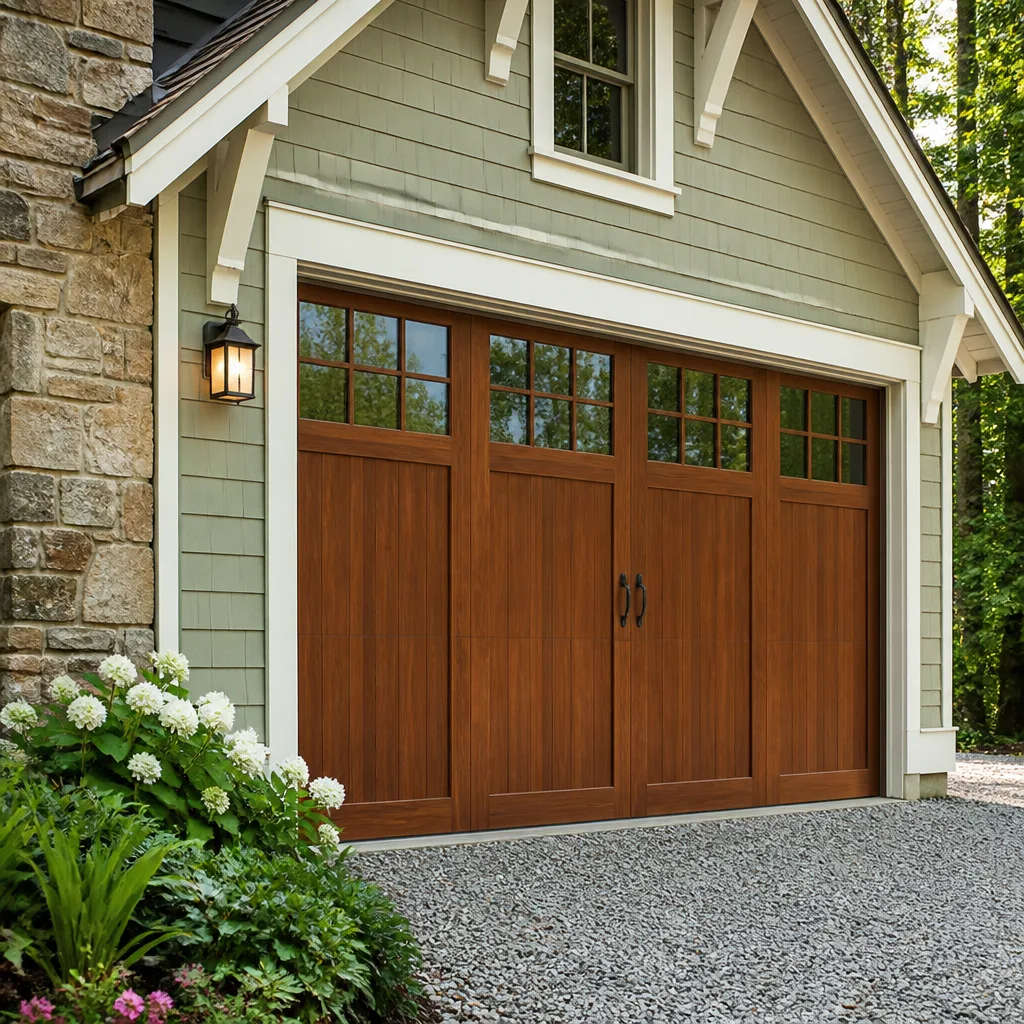 Carriage house
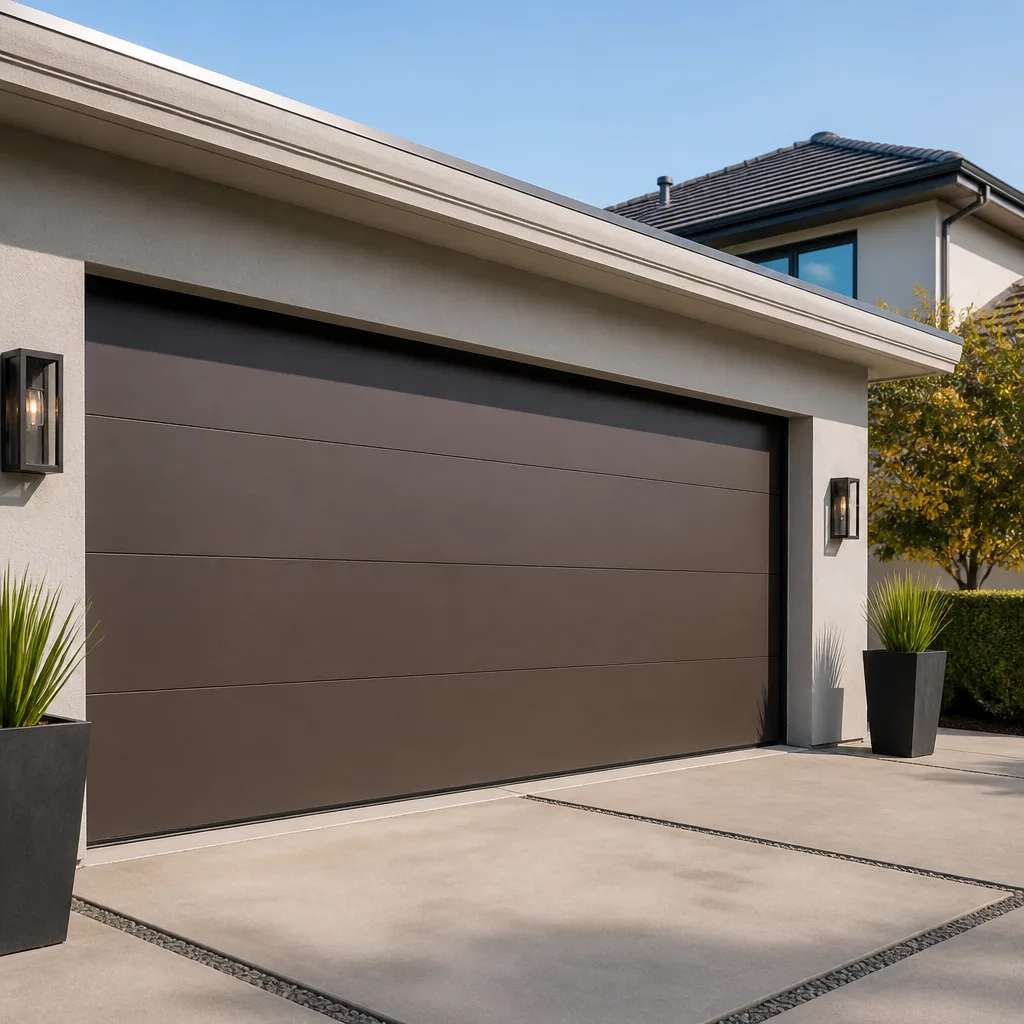 Modern flush
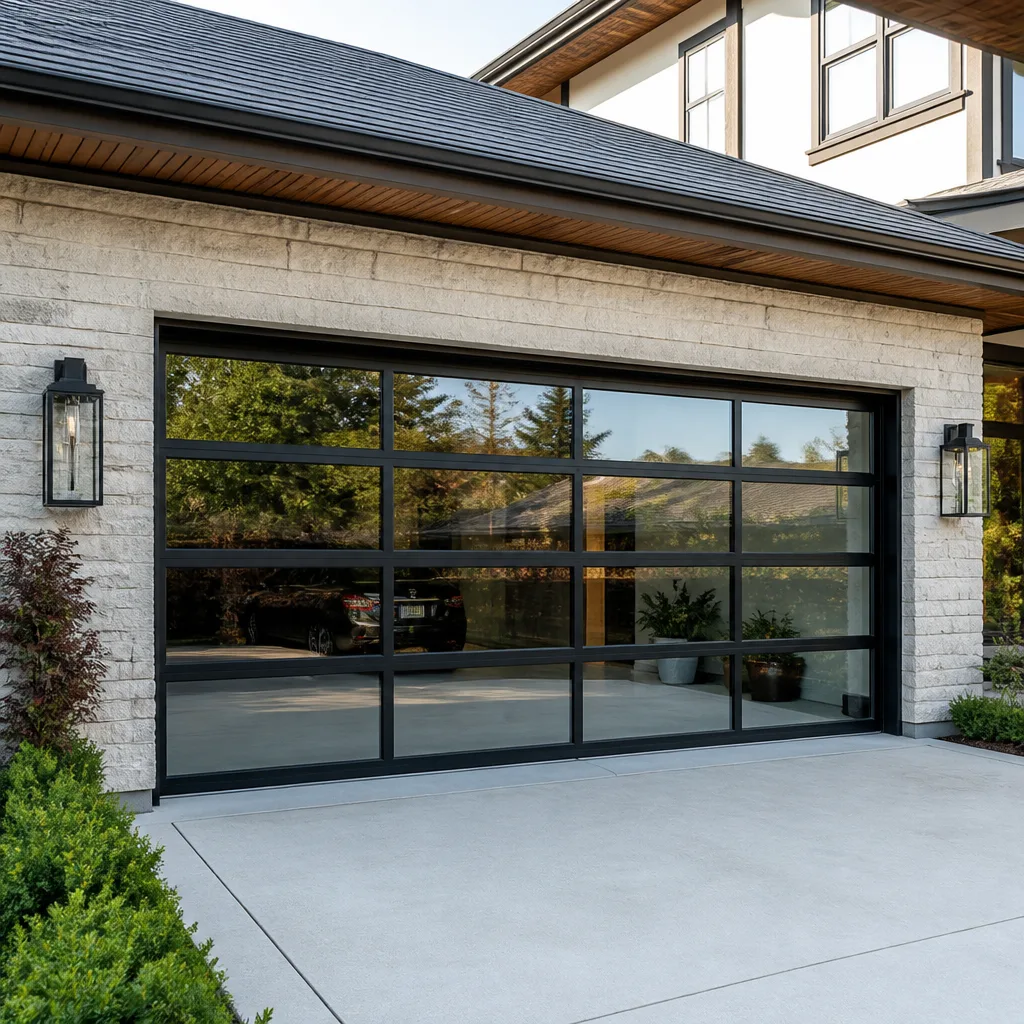 Full-view glass
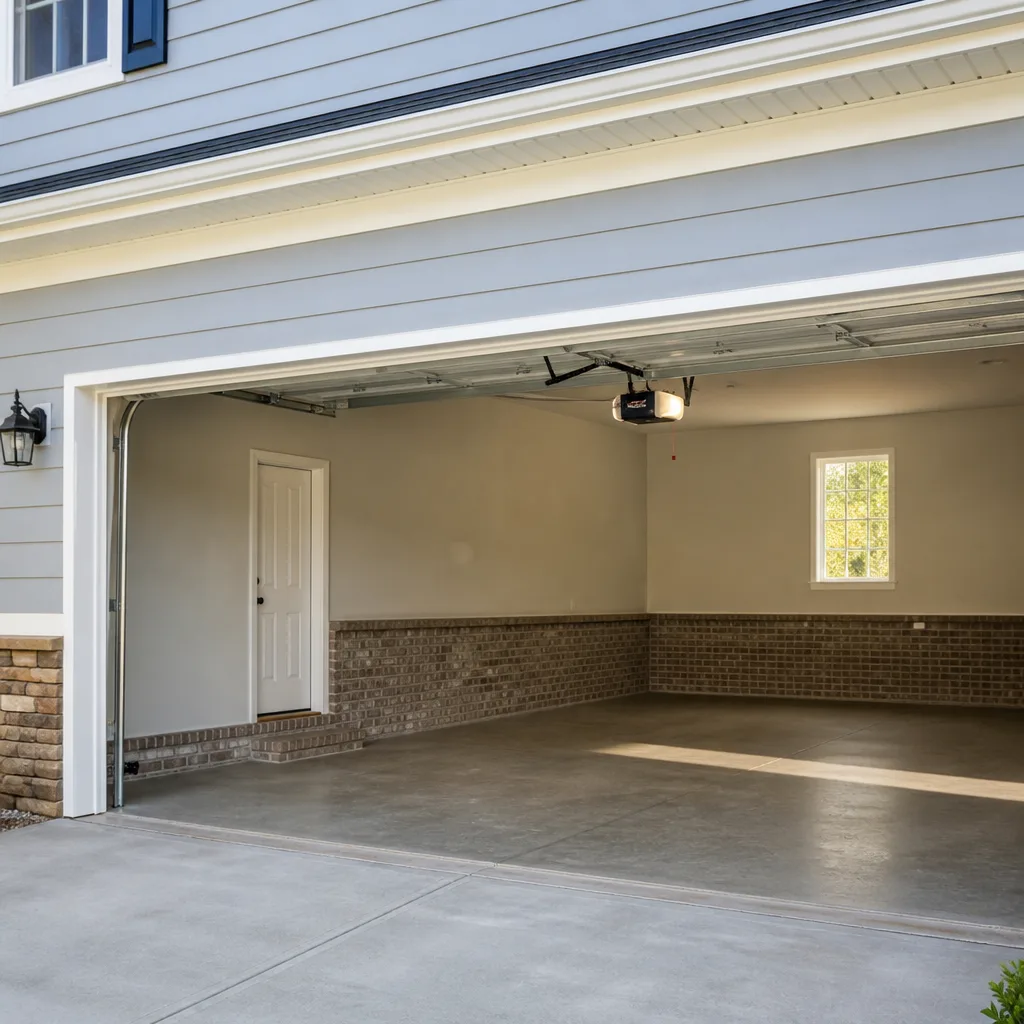 LiftMaster openers
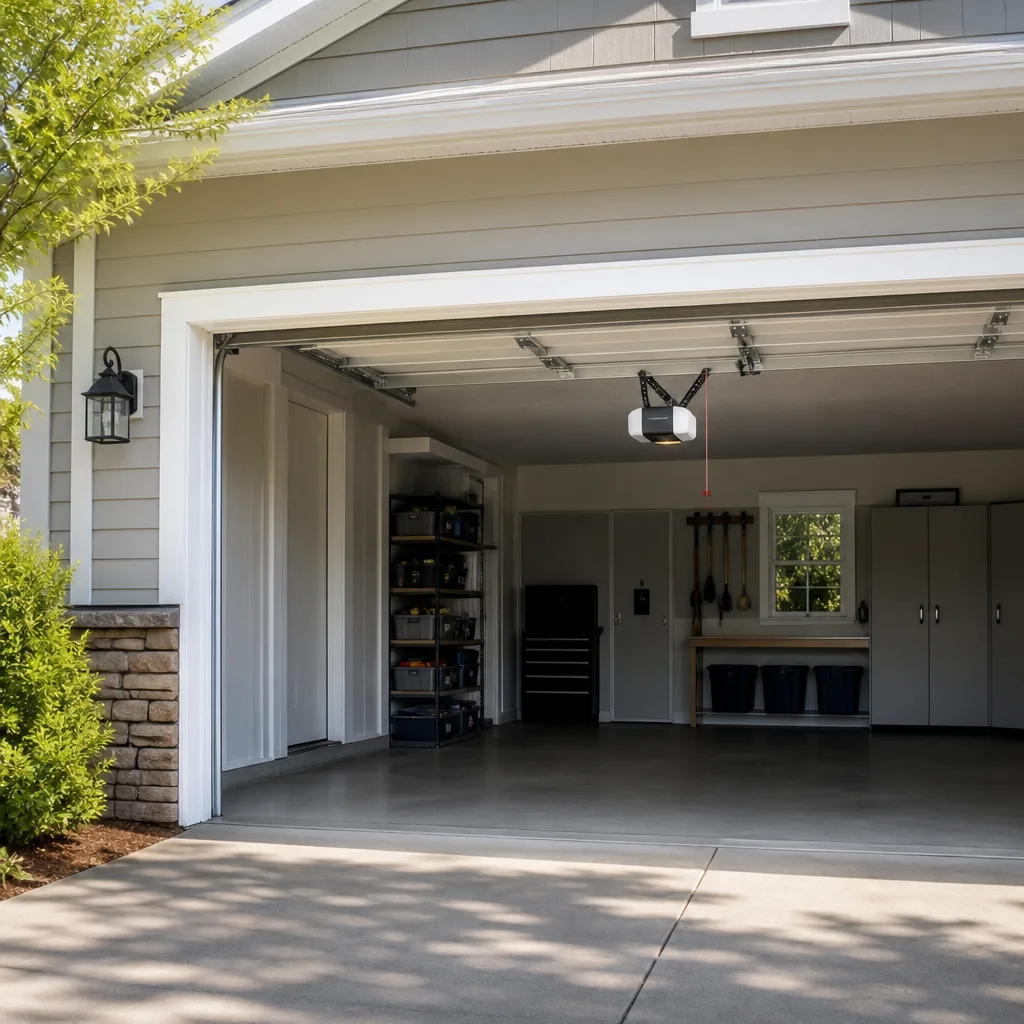 Chamberlain openers
Full 25-point door and opener safety check with every visit - springs, cables, rollers, tracks, and your LiftMaster or Chamberlain opener included
You get a price before we start. It does not change when the truck arrives.
Get your free estimateGarage Door Cost Breakdown: The Jacksonville Homeowner’s Reference for 2026
The national average for garage door installation is frequently cited at $1,100 to $1,300. In Jacksonville, the same door with Florida Product Approval hardware, proper wind-load bracing, and a licensed contractor runs $1,600 to $2,200, and that gap is not markup, it’s compliance. What follows is a line-by-line breakdown of where your money actually goes when you replace or install a garage door in Duval County, why salt air and hurricane code change the math, and how to spot a quote that looks competitive on paper but falls apart the first time a summer storm rolls through. For more, see our Garage Door Emergency Preparedness Guide for Jacksonville Homes.
Styles & brands we work with
Quick Answer
A garage door replacement in Jacksonville costs between $1,600 and $3,800 for most single and double residential doors in 2026, with the average homeowner spending about $2,300. That price includes the door panel, wind-load-rated hardware, installation labor, permit fees, and disposal of your old door. The single biggest variable is material choice, followed by whether your home sits in a wind-borne debris zone that requires impact-rated construction.
Table of Contents
- Itemized Cost Breakdown: What You’re Actually Paying For
- The Wind-Load Compliance Premium in Duval County
- Steel vs. Aluminum vs. Fiberglass: A 10-Year Cost Comparison
- How to Read a Low Estimate: Four Line Items That Get Quietly Dropped
- What Florida Labor Licensing Means for Your Invoice
- Warranty and Financing Structures: What ‘Lifetime’ Actually Covers
- Repair or Replace: The Decision Framework
- Garage Door Opener Costs in Jacksonville
- Common Mistakes to Avoid
- When to Call a Professional
- Frequently Asked Questions
- The Bottom Line
Itemized Cost Breakdown: What You’re Actually Paying For
When you get a quote in Jacksonville, you’re not buying one product. You’re buying six distinct line items, and understanding each one tells you exactly where a contractor is cutting corners or padding the number. Here’s what we tell homeowners to expect for each component in 2026:
- Door panel: $700 to $1,900. A basic 16×7 non-insulated steel door starts around $700. A 16×7 insulated steel door with a decent R-value and raised panel design runs $1,100 to $1,500. Premium wood-look or fiberglass doors can push $1,900. Double doors (16×8 or 18×8) add 20 to 35 percent.
- Hardware packet: $180 to $450. This includes tracks, rollers, hinges, brackets, and struts. In Jacksonville, this is where wind-load requirements add real money. A standard hardware packet works fine in Ohio. In Duval County, you need reinforcement struts, heavier gauge track, and additional mounting brackets. That’s $120 to $250 above what a national parts list would show.
- Opener (if replacing): $350 to $700 installed. A belt-drive opener with battery backup from LiftMaster or Chamberlain runs on the higher end. Chain-drive models from Genie or Craftsman sit on the lower end. Wall-mounted jackshaft openers add $150 to $300.
- Installation labor: $350 to $650. This covers two technicians for roughly half a day. Torsion spring winding, track alignment, and safety sensor calibration are not DIY tasks. In Jacksonville, licensed labor costs more than unlicensed handyman rates, and that cost shows up here.
- Permit fee: $75 to $200. The City of Jacksonville building department requires permits for garage door replacement. Some contractors embed this in their quote. Some leave it off and tell you it’s your responsibility. Ask which one you’re dealing with before signing.
- Disposal and haul-away: $75 to $150. Your old door, tracks, and springs weigh 200 to 400 pounds. Dumping it at a Duval County facility costs money. Any contractor who says disposal is “included” has already built it into another line item.
The takeaway: a quote that says “$1,200 complete” is missing at least one of these components. Usually it’s the permit fee or wind-load hardware, and that conversation happens after the deposit clears. Before you sign, review our Garage Door Permits, Codes & Inspections in FL: What You Need to Know.
The Wind-Load Compliance Premium in Duval County
Jacksonville sits in a high-velocity hurricane zone under the Florida Building Code. What that means in plain terms: your garage door is the single largest opening in your home’s envelope, and when wind pressure hits it, the door can flex, buckle, or blow inward. Once that happens, the roof becomes a sail and the damage multiplies. That’s not theoretical. We’ve seen doors in Arlington and San Marco that survived Hurricane Matthew fine but crumpled during Irma because they were installed with non-compliant hardware in the 2000s.
For homeowners outside a wind-borne debris region, wind-load compliance means a sticker and some paperwork. For Jacksonville homeowners within one mile of the St. Johns River or the Intracoastal, plus most of the beaches and eastern Duval County, it means something concrete:
- Reinforcement struts: Horizontal steel bars bolted to the interior face of each panel section. These add rigidity so the door doesn’t flex past its design limits. Expect $80 to $200 added to the hardware line item depending on door width.
- Florida Product Approval labels: Your door and hardware must carry FL product approval numbers. If a contractor can’t produce them, the door was not sourced for the Florida market, and your insurance company may deny a claim after a storm.
- Heavy-gauge roller brackets and track: Standard residential track is 16-gauge. Wind-rated installations in Duval County commonly spec 14-gauge track and reinforced L-brackets at every mounting point.
The compliance premium on a standard single door runs $300 to $600 above the national average install. On a double door or a door with windows, it can run higher. This is not optional. We’ve had inspectors red-tag installations in Riverside and Ortega where homeowners hired out-of-state contractors who weren’t familiar with Florida code.
Steel vs. Aluminum vs. Fiberglass: A 10-Year Cost Comparison
Jacksonville’s combination of salt humidity, summer heat, and hurricane-driven rain means material choice is not just about aesthetics. It’s about what the door will look like and cost to maintain in year seven. Here’s how the three most common materials pencil out over a decade:
- Steel (galvanized, 24-26 gauge): Purchase price $900 to $1,700. Steel is still the workhorse of Jacksonville garages. Modern galvanized steel with a baked-on polyester finish resists rust reasonably well, even in coastal air. The weak point is edge rust where panels meet, especially on doors facing east toward the ocean. Expect to touch up rust spots every two to three years in Atlantic Beach and Neptune Beach. Ten-year maintenance cost: $200 to $500. Ten-year total: $1,100 to $2,200.
- Aluminum: Purchase price $1,400 to $2,600. Aluminum doesn’t rust, which makes it the usual choice within three miles of saltwater. The tradeoff is denting. Aluminum panels are softer than steel, and a teenager with a basketball or a car bumper that kisses the door will leave a mark that doesn’t pop out. Aluminum doors also need reinforcement struts at narrower spacing to meet wind-load requirements, which adds to the hardware cost. Ten-year maintenance cost: $100 to $250 for wash-downs and occasional finish touch-up. Ten-year total: $1,500 to $2,850.
- Fiberglass: Purchase price $1,800 to $3,200. Fiberglass doors solve both problems. They don’t rust and they resist denting better than aluminum. The caveat is UV breakdown. Jacksonville sun is brutal on gelcoat and painted fiberglass finishes, and a door that doesn’t get regular cleaning will chalk and fade noticeably by year five. We see this most often in Murray Hill and Springfield homes with west-facing garage doors that catch the afternoon sun. Ten-year maintenance cost: $300 to $700 for refinishing or recoating. Ten-year total: $2,100 to $3,900.
What does Heritage Garage Door Service recommend in Jacksonville? For homes west of I-95, insulated steel with a good finish is usually the sensible choice. Within three miles of the coast, aluminum makes a strong case. Fiberglass earns its premium when you want a wood-look door without the maintenance of actual wood, which we see regularly in older neighborhoods like Avondale and San Marco where architectural character matters to homeowners.
How to Read a Low Estimate: Four Line Items That Get Quietly Dropped
Every homeowner wants a good deal. We understand that. But in Jacksonville garage door work, the gap between the cheapest quote and the realistic quote is rarely labor margin. It’s usually one of these four line items that got removed to hit a number:
- Wind-load engineering and reinforcement. A door without struts and proper brackets might hold up fine for years. Until it doesn’t. We’ve replaced doors in Bartram Park that were installed without reinforcement and failed during a routine summer squall, not even a named storm. The contractor saved $250. The homeowner paid $2,400.
- The building permit. Jacksonville requires permits for garage door replacement. Some contractors do the job without one and tell the homeowner it’s kept costs down. The problem surfaces at resale when a home inspection flags an unpermitted modification. The fix costs more than the original permit would have.
- Insulation. A non-insulated door in Jacksonville turns your garage into an oven from June through September. If you have a bedroom above the garage, which is common in many Riverside and Murray Hill floor plans, the heat transfer through the door ceiling assembly makes your AC work measurably harder. Insulation adds $150 to $400 and pays back in comfort and energy use within a few Florida summers.
- Disposal. Quoted $1,150? Look for the line that says “customer responsible for disposal.” Your old door is 300 pounds of steel and spring-loaded tension hardware. Getting rid of it yourself means renting a truck and making a trip to the landfill. That’s your Saturday and $75 in dump fees.
A legitimate quote in Jacksonville will show all of these line items explicitly. If a contractor can’t or won’t itemize, that tells you something about how they’ll handle the work itself.
What Florida Labor Licensing Means for Your Invoice
Florida requires garage door contractors to hold a license through the Florida Department of Business and Professional Regulation or to operate under a certified building contractor. This matters to your wallet in two ways. First, licensed contractors carry workers’ compensation insurance on their employees, which is folded into the labor rate. Second, licensed contractors in Jacksonville pull permits because they have to. Unlicensed installers skip permits because they can’t legally pull them.
The labor line on a Jacksonville quote from a licensed contractor runs $350 to $650 per door. An unlicensed handyman might quote $150 to $250 for the same labor. The $200 to $400 you save buys you: no permit, no insured labor, no enforceable warranty, and no recourse if the door falls off its tracks six weeks later. We’ve repaired enough of those installs to tell you honestly: it’s not a savings, it’s a deferral of cost.
When you compare quotes in Jacksonville, confirm the contractor’s license status before you look at the price. The Florida DBPR website has a public license search. It takes ninety seconds and tells you everything about who you’re hiring.
Warranty and Financing Structures: What ‘Lifetime’ Actually Covers
The word “lifetime” on a garage door warranty in Jacksonville means something specific, and it’s not what most homeowners assume. The lifetime component applies to the steel door panel against rust-through. It does not cover the springs, rollers, hinges, tracks, or opener. Those components carry separate, shorter warranties. Here’s the breakdown as it applies to Amarr, Wayne Dalton, Raynor, and most major door lines sold in the Jacksonville market:
- Door panel: Lifetime against rust-through on insulated steel. Finish warranty is separate and typically 1 to 5 years. If your door fades, that’s usually a finish claim, not a panel claim.
- Torsion springs: 2 to 10 years depending on cycle rating. A spring rated for 10,000 cycles is a better spring than one rated for 5,000 cycles, and in a household that cycles the door six times a day, the difference is roughly eight years versus four.
- Rollers and hinges: 1 to 3 years typical. These are wear items. Nylon rollers outlast steel rollers in Jacksonville’s humidity because they don’t corrode.
- Opener motor and logic board: 5 years to lifetime depending on the model line. LiftMaster and Chamberlain both offer lifetime motor warranties on their premium lines. The remotes, wall consoles, and safety sensors carry 1 to 2 year coverage.
- Labor warranty: This is the part people forget. Manufacturers cover the parts, but labor to swap a failed part is separate. Most Jacksonville dealers provide 30 to 90 days of labor coverage. Ask for it in writing.
Financing has changed in the last few years. Homeowners in Jacksonville commonly work with the dealer’s financing partner (often a third-party lender like Synchrony or Wells Fargo) with terms running 0 percent for 12 months up to 9.9 percent for 60 months. A $2,500 door financed over 60 months at 7.9 percent costs about $3,030 total. Cash or short-term zero-interest deals are the cheapest paths. If a contractor offers in-house financing, read the terms carefully because those deals often build the interest into the door price rather than showing it as a rate.
Repair or Replace: The Decision Framework
Not every Jacksonville garage door problem means a new door. Here’s how we evaluate whether a repair makes sense or whether replacement is the honest answer:
Repair makes sense when: the door is under 12 years old, the panels are structurally intact, the tracks are true, and the problem is isolated to a spring, a roller, a cable, or an opener logic board. A spring replacement in Jacksonville runs $180 to $340. A roller replacement runs $150 to $250. A new circuit board for a Genie or LiftMaster opener runs $120 to $280 installed. These are all solid investments in a door that has years of service left.
Replacement makes sense when: the lower panels are rusted through or dented beyond cosmetic repair, the door was installed before 1996 or so and lacks current wind-load reinforcement, the tracks are bent and pulling away from the jambs, or you’re facing a third repair in 18 months. A door that’s rusted through at the bottom rail will keep rusting. You can replace individual panels on some models, but when the panel cost plus labor approaches 60 percent of a new door, replacement is the financially sound call.
The Heritage approach in Jacksonville is straightforward: if your existing door is a Wayne Dalton or Raynor model we service regularly, we’ll tell you what a repair costs and what that buys you in remaining lifespan. If the math doesn’t work, we’ll say so. Repair or replace, we’ll tell you which one actually makes sense. That’s the whole job.
Garage Door Opener Costs in Jacksonville
Openers are a separate purchase from the door itself, and Jacksonville homeowners often replace them independently. If your door is fine but the opener is failing, here’s what 2026 pricing looks like:
- Chain-drive opener installed: $350 to $480. Loud but dependable. Best for detached garages or when budget is the primary concern.
- Belt-drive opener installed: $480 to $650. Quiet enough for bedrooms above the garage. This is the most common choice in Jacksonville homes where the master suite sits over the garage.
- Jackshaft (wall-mount) opener installed: $700 to $950. Frees up ceiling space. Popular in Mandarin and Julington Creek homes with high ceilings or car-lift setups.
- Smart-enabled opener upgrades: $50 to $150 above base price for built-in Wi-Fi and app control. LiftMaster and Chamberlain dominate this category. Genie has competitive options at slightly lower price points.
One Jacksonville-specific note: battery backup matters here. Power outages during hurricane season are not hypothetical in Duval County. A garage door opener without battery backup is a garage door you can’t operate when the grid goes down. The disengage cord works, but it’s inside the garage. The upgrade costs $80 to $120 and is worth it. We recommend it on every opener install we do, see Garage Door Opener Repair in Jacksonville for more on what we cover.
Common Mistakes to Avoid
- Budgeting to national averages. The $1,100 national figure gets quoted everywhere, but it doesn’t reflect Duval County wind-load requirements, permit fees, or salt-air material needs. Jacksonville pricing is structurally higher, and it’s not because contractors here are greedier.
- Ignoring the permit question. A contractor who tells you a permit isn’t necessary is either misinformed or avoiding regulation. Either way, you’re the one holding the liability at resale.
- Choosing a door based on price per panel without comparing hardware specs. Two doors can look identical and differ by $300 in hardware quality. The cheaper one is the one that fails first in a wind event.
- Shopping openers only by brand name. LiftMaster and Chamberlain make excellent openers, but the specific model matters more than the logo. A bottom-tier belt-drive from a good brand may underperform a mid-tier chain-drive from Craftsman. Match the opener to how often you cycle the door and where the motor sits relative to living space.
- Deferring a rust problem. Rust on a Jacksonville garage door doesn’t stop. It compounds. A $80 touch-up this year beats a $2,400 replacement in three years.
- Not confirming what “free estimate” means. A free estimate should include a written quote with line items. If a contractor wants to give you a number by text without seeing the door, that number isn’t worth the phone it’s typed on.
- Replacing a door when a spring or opener would solve it. We regularly talk homeowners out of replacement in Jacksonville when a $280 spring repair gives them five more years of service. Your existing Amarr or Wayne Dalton door, serviced by someone who knows it, might not need to go anywhere.
When to Call a Professional
Garage door torsion springs hold enough tension to cause serious injury or death if mishandled. Do not attempt spring replacement yourself. The same applies to cable replacement, track realignment, and any work involving the door’s balance under load. If your door is off balance, making grinding noises, or operating on one side only, call a licensed Jacksonville garage door contractor. Not a handyman with a socket set. Not a YouTube tutorial. A contractor who works on your specific brand and stands behind the work. Heritage Garage Door Service offers free estimates in Jacksonville; call (833) 711-2679. We work on what you have, not just what we sell.
Frequently Asked Questions
A complete garage door installation in Jacksonville runs $1,600 to $3,800 for most residential homes, with the average around $2,300 for a single insulated steel door. That range includes the panel, wind-load hardware, licensed labor, permit, and disposal. Call (833) 711-2679 for an exact quote on your specific door size and material.
A single 16×7 garage door replacement in Jacksonville costs between $1,600 and $2,800 installed, depending on material, insulation level, and wind-load requirements for your specific location. Homes east of I-95 and within coastal exposure zones typically come in at the higher end of that range.
Garage door spring replacement in Jacksonville runs $180 to $340 for a pair of torsion springs, installed. Extension spring systems run slightly less, $140 to $280. Spring wire gauge, length, and cycle rating all affect the price. A spring rated for 10,000 cycles costs more than one rated for 5,000 but lasts twice as long.
Yes, the City of Jacksonville requires a building permit for garage door replacement. The permit fee typically adds $75 to $200 to your project total. A licensed contractor pulls the permit as part of the installation. If a contractor tells you a permit isn’t needed, treat that as a red flag.
You can physically install a garage door yourself, but you shouldn’t. The torsion springs, cable system, and wind-load reinforcement involved in a Jacksonville-compliant installation require specialized tools and experience. We have seen DIY installs where doors came off their tracks within weeks. The savings evaporate with the first repair call. One call covers the door, the opener, and everything in between; see Garage Door Repair in Jacksonville for more.
A garage door opener replacement in Jacksonville costs $350 to $950 installed depending on the drive type and features. Belt-drive openers from LiftMaster or Chamberlain run $480 to $650. Wall-mount jackshaft units run $700 to $950. Battery backup adds $80 to $120 and is worth every dollar during hurricane season.
The Bottom Line
Jacksonville garage door pricing reflects reality: wind-load compliance, salt-air material demands, and licensed labor cost money, and a homeowner who budgets to national averages will come up short on every real quote they receive. A realistic 2026 budget is $1,600 to $3,800 for a complete replacement, $350 to $950 for an opener, and $180 to $340 for spring work. Get itemized quotes, verify licensing, confirm permit handling, and don’t chase the lowest number. Built on craft, not shortcuts. If you’re in Jacksonville and want a straight answer about your specific door, opener, and situation, call Heritage Garage Door Service at (833) 711-2679. We’ll walk the property, assess what you have, and tell you honestly whether to repair or replace. For full-service installation work, see Garage Door Installation in Jacksonville and our Heritage Garage Door Service home page for our complete service area and approach.
Written by the team at Heritage Garage Door Service, serving Jacksonville since 2018. Browse more guides & resources on our blog.
See the difference
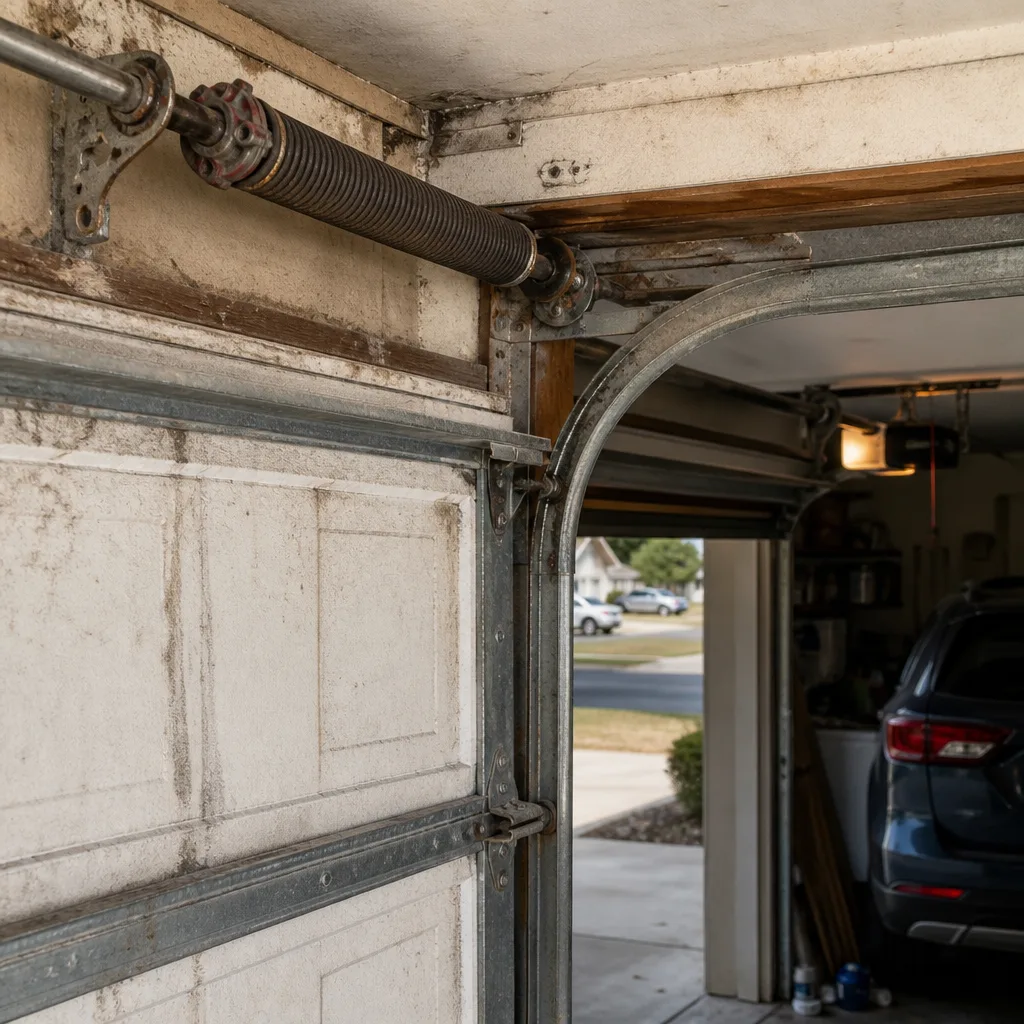 Before
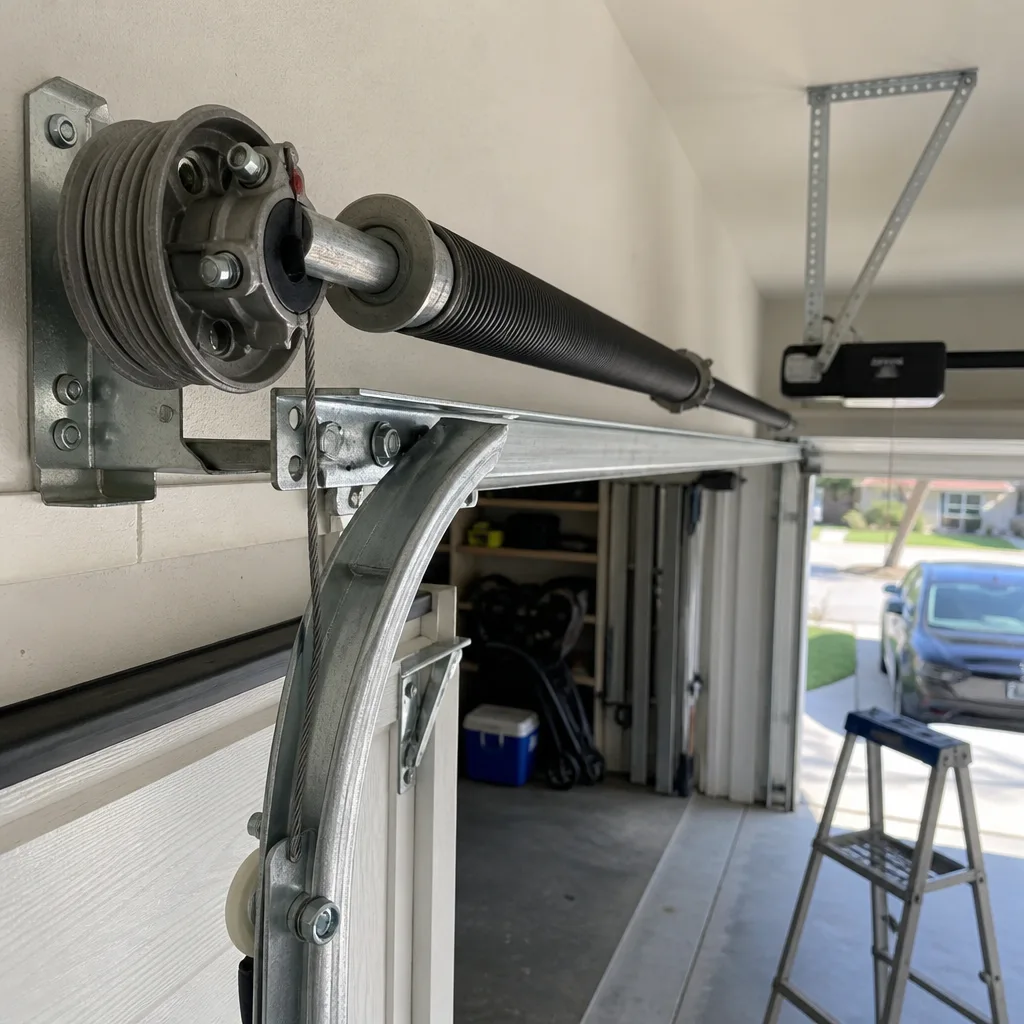 After
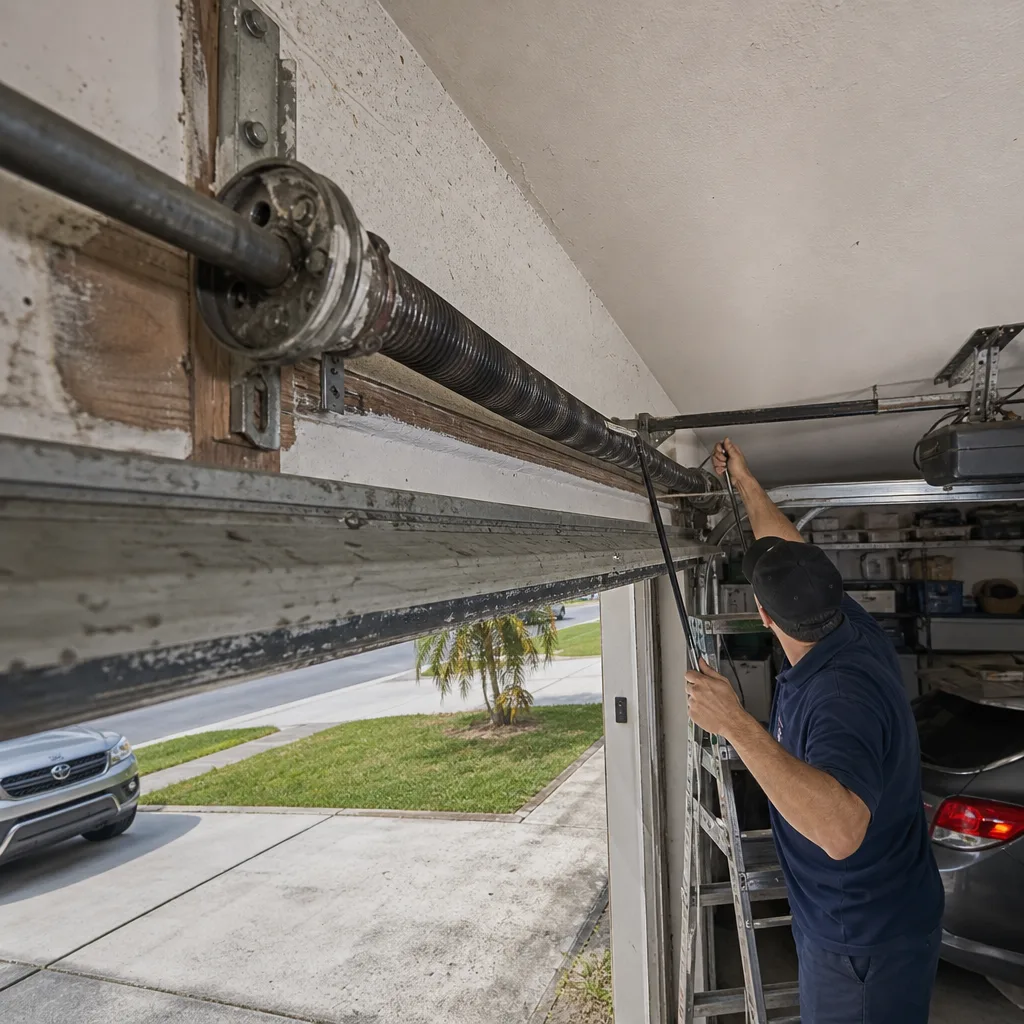 Before
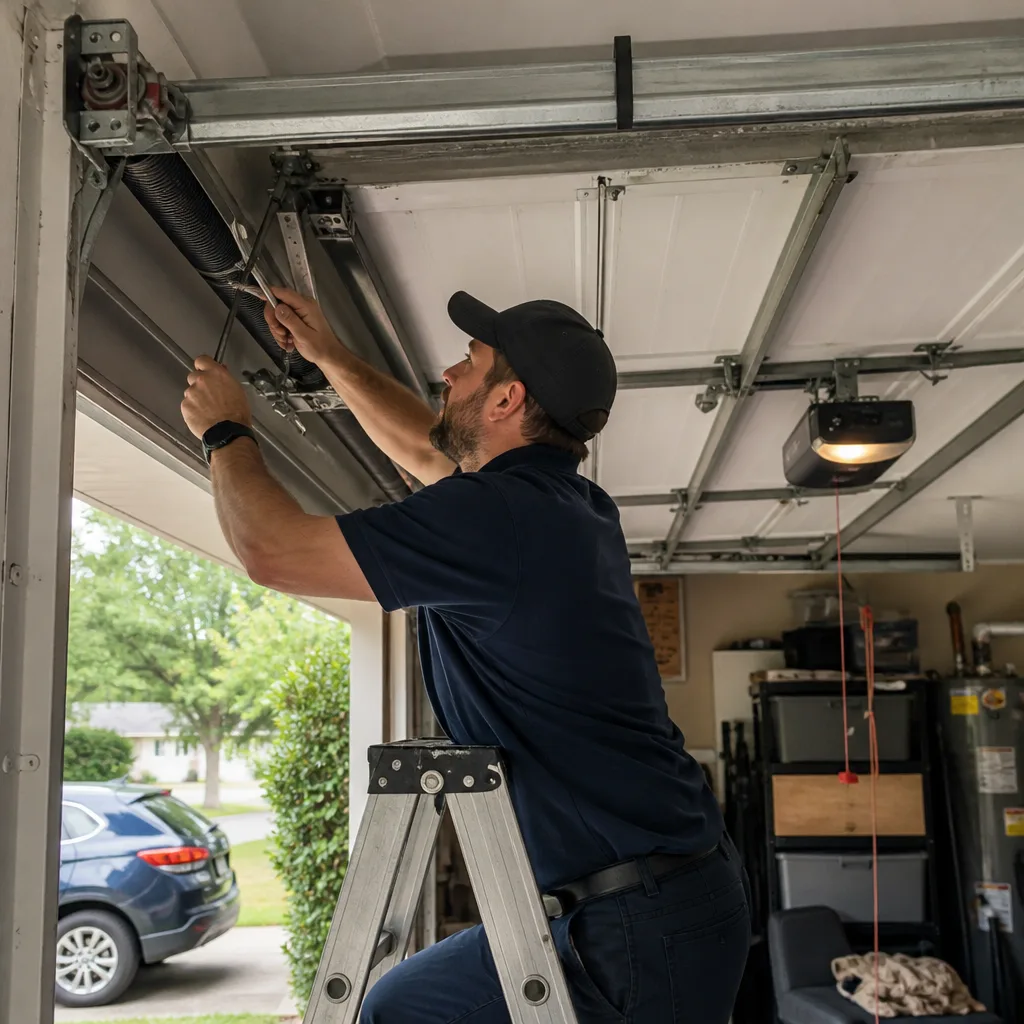 After
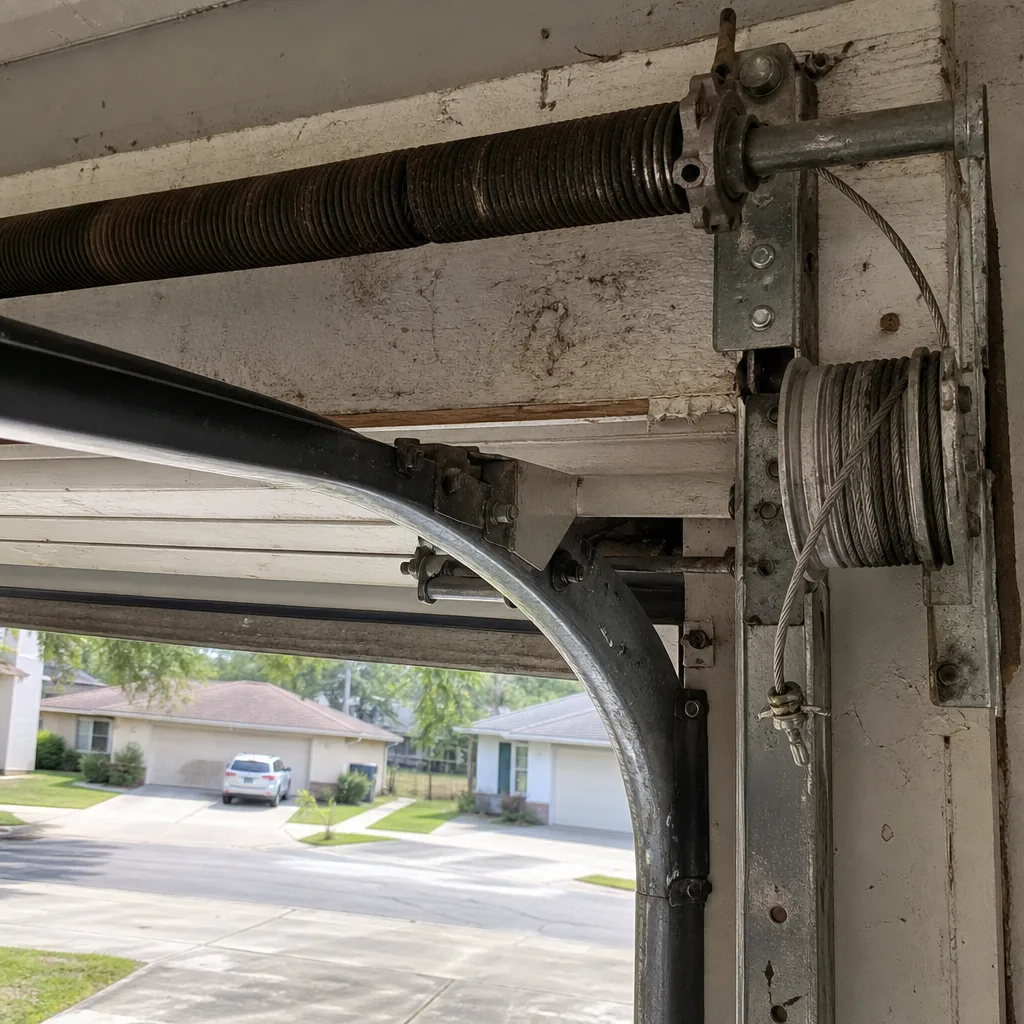 Before
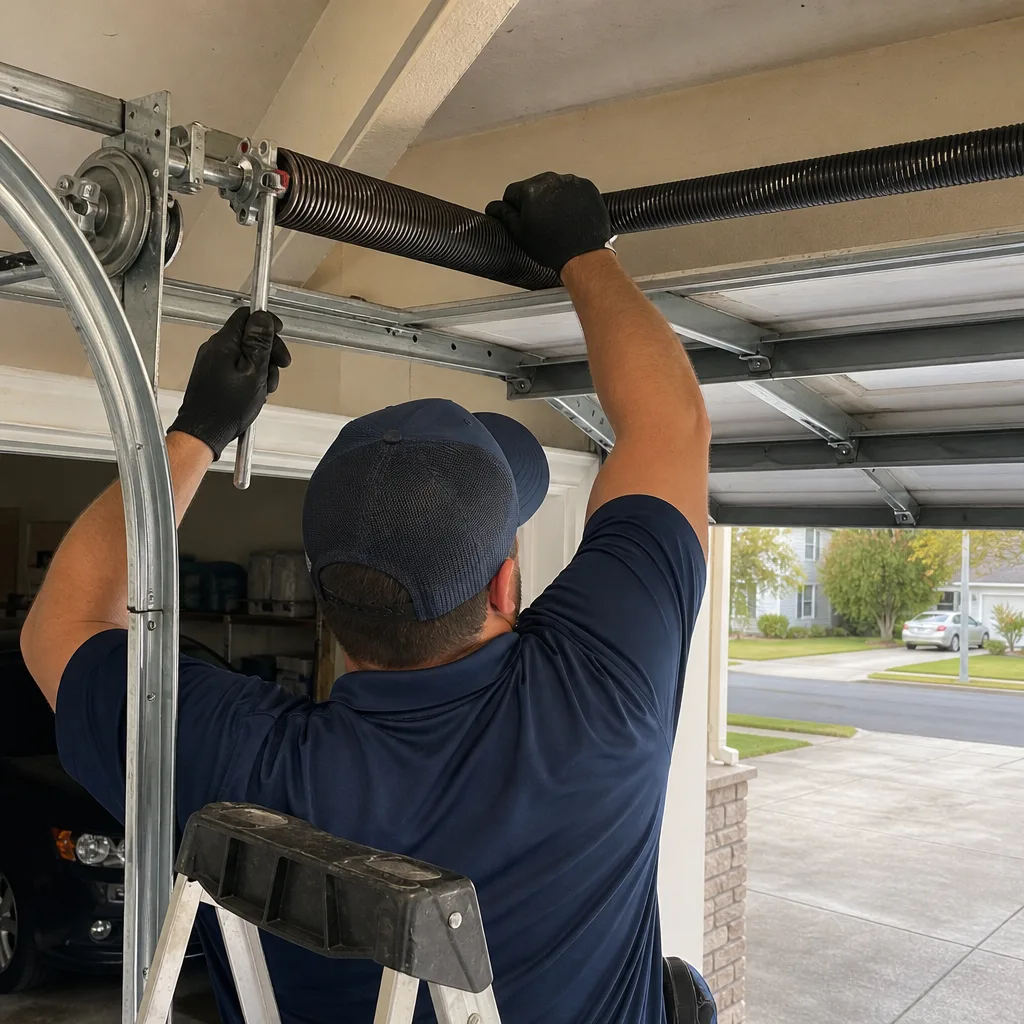 After