
Last updated October 30, 2026
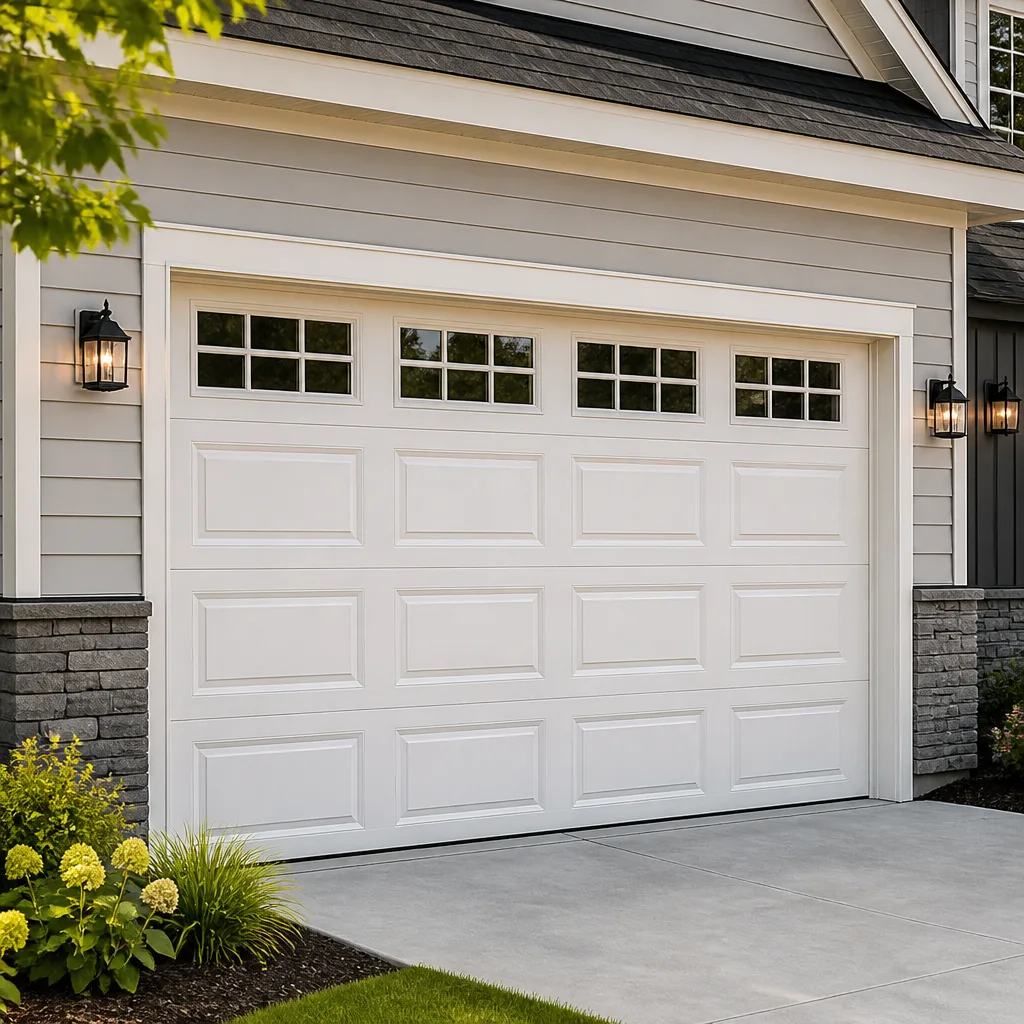 Raised-panel steel
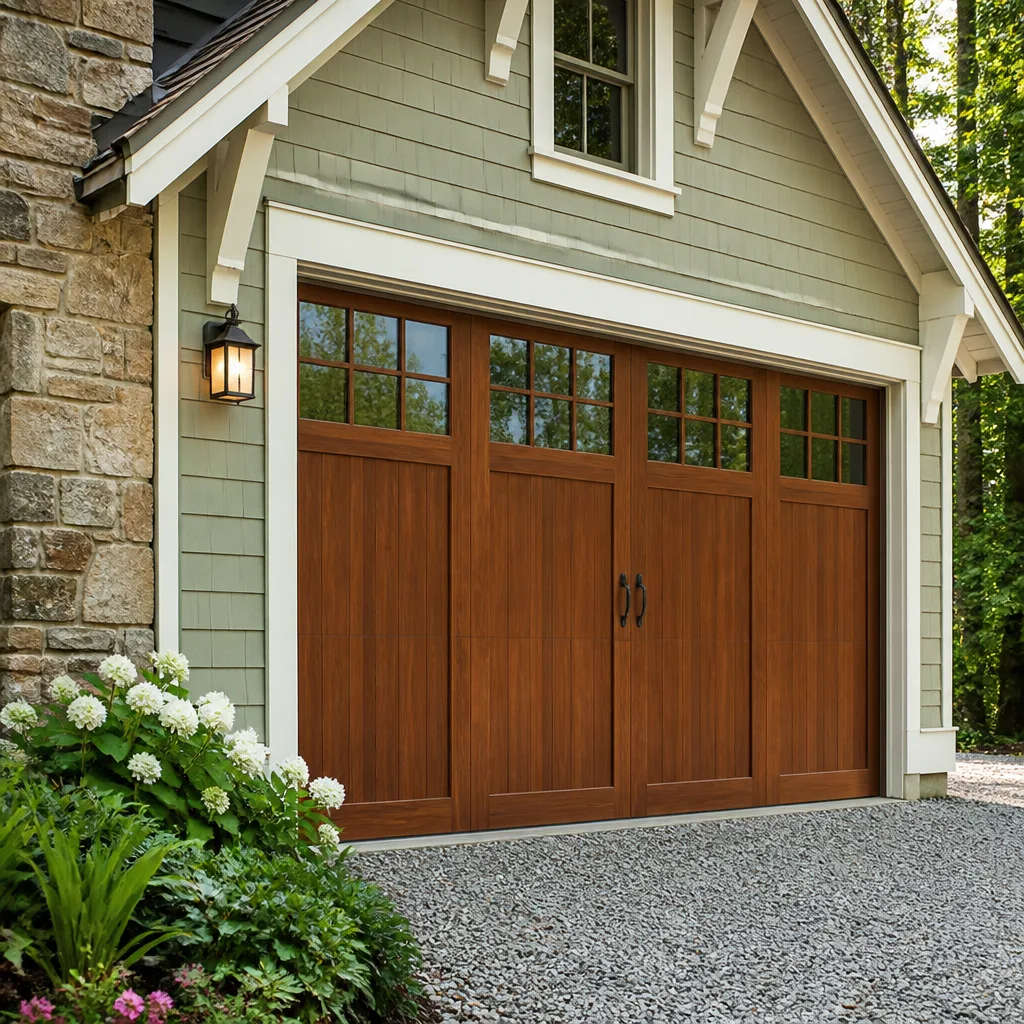 Carriage house
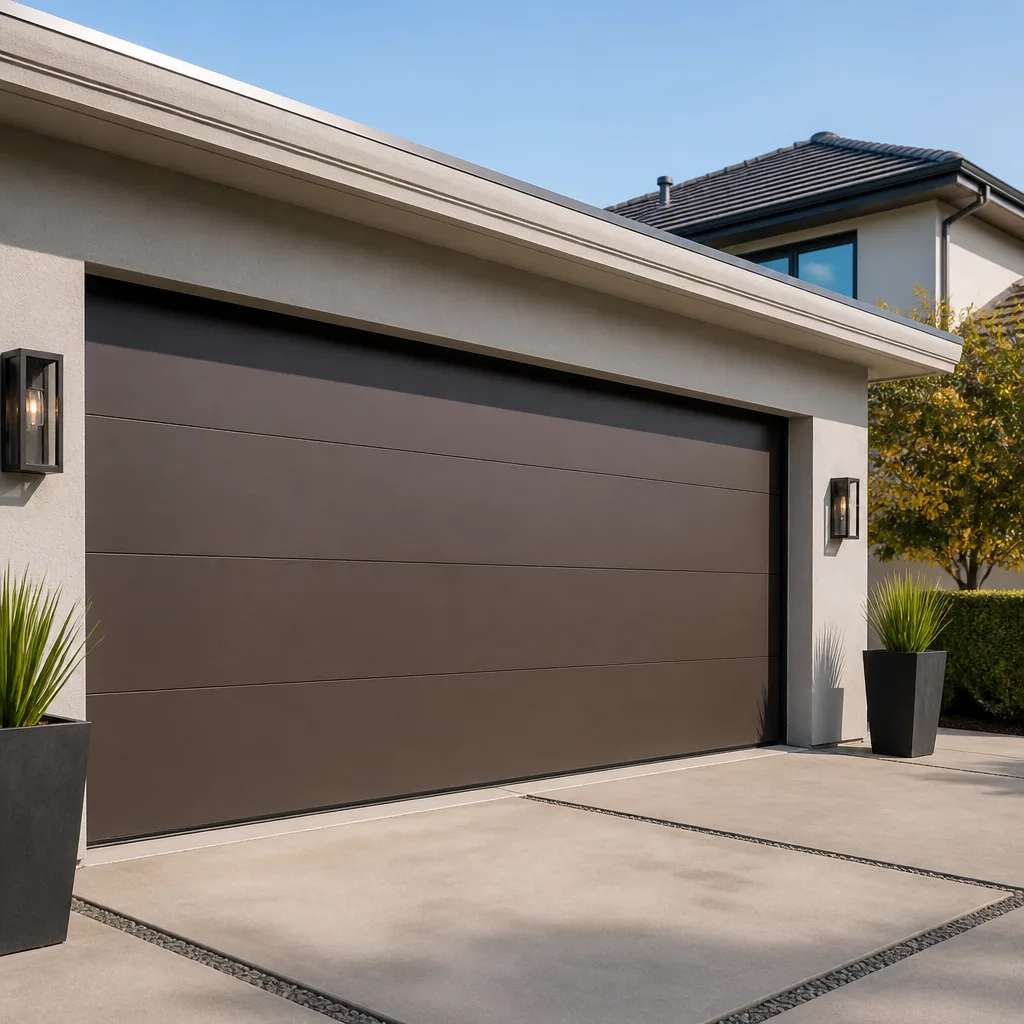 Modern flush
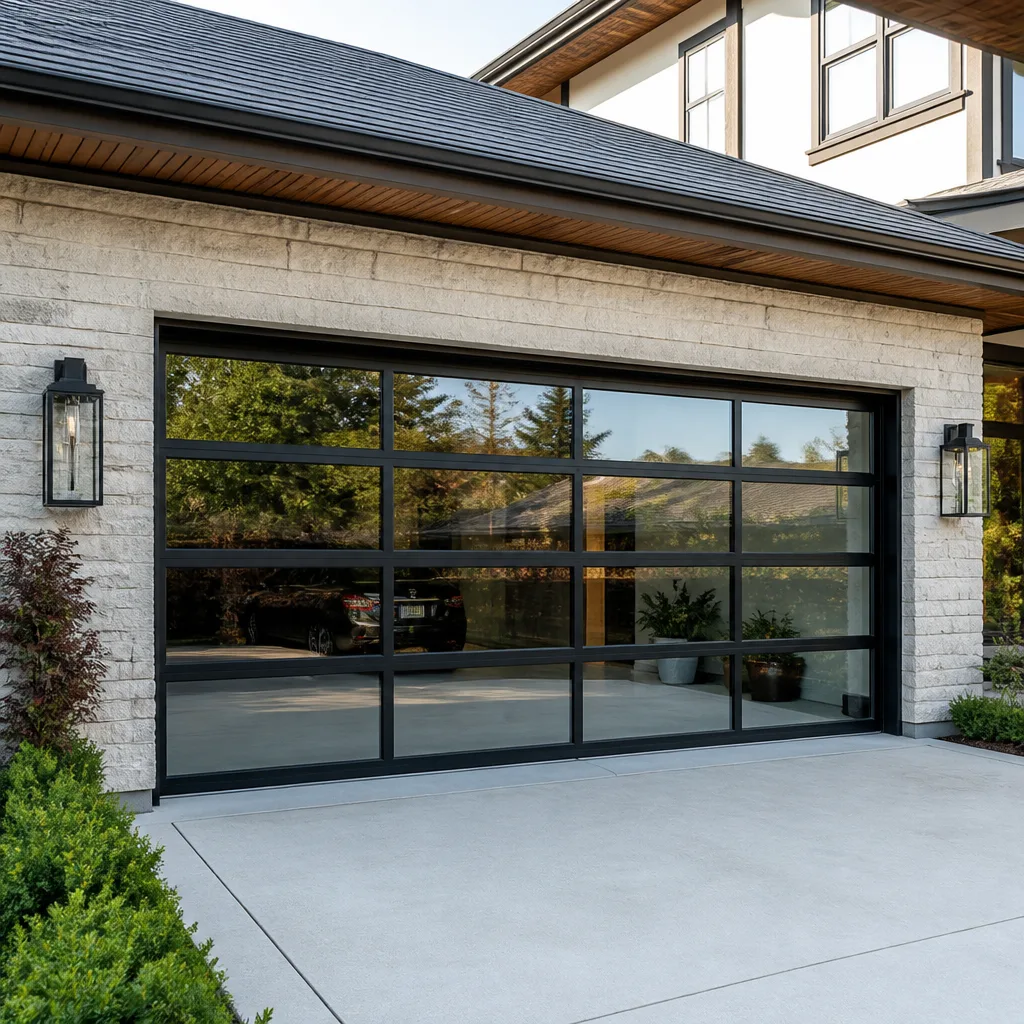 Full-view glass
 LiftMaster openers
 Chamberlain openers
Full 25-point door and opener safety check with every visit - springs, cables, rollers, tracks, and your LiftMaster or Chamberlain opener included
You get a price before we start. It does not change when the truck arrives.
Get your free estimateGarage Door Permits, Codes & Inspections in FL: What You Need to Know
Most Jacksonville homeowners assume a garage door replacement is a one-day job with no paperwork. That assumption is expensive. Florida’s garage door permitting rules rank among the strictest in the country, tied directly to hurricane wind-load standards that didn’t exist in most other states. Skip the permit and you’re not risking a fine from the city – you’re risking a claim denial from your insurance company when the next storm tests your door. This guide explains exactly when Jacksonville and Duval County require a permit, what the inspection catches, and how to verify a door meets Florida Product Approval before you spend a dollar. For garage door warning signs every Jacksonville homeowner should watch for, see our companion reference.
Styles & brands we work with
Quick Answer
A permit is required for most garage door replacements in Jacksonville and unincorporated Duval County when the door’s structural opening, track system, or wind-load rating changes. Replacement with an identical door in the same opening may not require one, but any new installation or upgrade to a wind-rated door almost always does. The permit triggers an inspection that verifies the door carries a valid Florida Product Approval number matching Florida Building Code Section 1609 wind-load requirements for Wind Zone II. Call (833) 711-2679 if you want to know whether your specific project needs a permit before you buy the door.
Table of Contents
- When a Garage Door Permit Is Required in Florida
- Jacksonville vs. Duval County Unincorporated: The Boundary Matters
- Florida Building Code Section 1609: Wind-Load Requirements Explained
- What a Duval County Garage Door Inspection Actually Checks
- Florida Product Approval Numbers: How to Verify a Door Before Purchase
- Unpermitted Garage Door Work and Title Transfer: The Closing Surprise
- Step-by-Step: How to Pull a Garage Door Permit in Jacksonville
- Common Mistakes to Avoid
- When to Call a Professional
- Frequently Asked Questions
- The Bottom Line
When a Garage Door Permit Is Required in Florida
Florida Building Code treats a garage door as part of the building envelope, not as a cosmetic fixture. That’s the core distinction most homeowners miss. Because a garage door is part of the structure’s wind-resistance system, replacing it with a different model, changing the opening size, or installing a new track system triggers the same permitting requirements as replacing a window or exterior door. The code is Florida Building Code Section 105.1, which requires permits for any work that alters the structural components of a building. A garage door qualifies when the replacement involves a door with different wind-load characteristics than the original.
Here’s the practical breakdown. You generally need a permit when:
- Replacing a non-wind-rated door with a wind-rated door, or vice versa.
- Installing a door of a different size, even by a few inches, which requires modifying the opening framing.
- Replacing the track system, springs, and mounting hardware as part of a full system swap.
- Building a new garage or adding a garage door where none existed before.
- Converting a carport to an enclosed garage.
You generally do not need a permit when replacing like-for-like: same door model or an equivalent with an identical Florida Product Approval number, same opening dimensions, same track configuration, same wind-load rating. Replacing a broken spring or a damaged panel on the existing door also falls outside the permit requirement, since those are repairs to an already-approved installation. For step-by-step help with common issues, see our Garage Door Repair Troubleshooting: Common Problems and How to Fix Them. In our experience across Jacksonville, about a third of homeowners who call us for a replacement assume no permit is needed and are surprised to learn otherwise.
Jacksonville vs. Duval County Unincorporated: The Boundary Matters
Jacksonville’s consolidated government creates a confusing permitting situation that trips up homeowners every month. The City of Jacksonville and Duval County merged in 1968, so most residents think of them as one entity. For permitting purposes, they are – mostly. The city’s Building Inspection Division handles permits for all of Duval County, including the Beaches communities of Atlantic Beach, Neptune Beach, and Jacksonville Beach, which maintain their own building departments for local enforcement. But the real boundary issue for garage doors is between Jacksonville’s incorporated limits and unincorporated pockets of Duval County.
Here’s what matters in practice. If you live in Arlington, Mandarin, Riverside, San Marco, or the Northside within city limits, you file through the City of Jacksonville Building Inspection Division. If you live in unincorporated areas like parts of the Westside, portions of Baldwin, or certain rural stretches along the county’s western edge, you also file through the same division – Jacksonville’s consolidated government handles both. The distinction matters for code version adoption and inspection scheduling, not for which office you visit. The state of Florida adopted the 8th Edition of the Florida Building Code effective December 31, 2023, and Duval County enforces it uniformly.
One boundary nuance worth knowing: if you live in one of the Beaches municipalities, your local building department may require a separate approval beyond the Duval County process. Atlantic Beach in particular has historically enforced stricter wind-load documentation for garage doors on beachfront properties. If you’re within a quarter mile of the ocean, expect to provide additional engineering documentation beyond the standard Florida Product Approval number. This is where a contractor familiar with the specific requirements saves you time.
For anyone in the garage door installation process, the first call should be to the Building Inspection Division at 214 N. Hogan Street to confirm your property’s jurisdiction and applicable code edition. It’s a ten-minute call that prevents a rejected permit application.
Florida Building Code Section 1609: Wind-Load Requirements Explained
Section 1609 of the Florida Building Code is the section that determines whether your garage door is legal in Jacksonville. The code assigns every property in Florida a wind speed rating based on its risk category and geographic location. Jacksonville sits in Wind Zone II, which the code defines as areas with a basic wind speed of 140 to 150 mph for Risk Category II buildings. That number drives the design pressure rating your garage door must meet.
What does that mean in plain English? Your garage door must be tested and certified to withstand the wind pressure that a 140 – 150 mph storm generates. For a standard double garage door that’s roughly 16 feet wide and 7 feet tall, that translates to a design pressure rating typically between 30 and 40 pounds per square foot, depending on the home’s exact location, exposure category, and roof height. Doors in exposed areas near the St. Johns River or the Intracoastal waterway face higher pressure requirements than doors in sheltered inland subdivisions.
The door manufacturer proves compliance through a Florida Product Approval number, not through a generic claim of “hurricane rated.” You’ll see these numbers printed on a sticker on the door frame or stamped on the installation paperwork. The number format looks like FL12345.1 or similar, and it cross-references to a specific test report on file with the Florida Department of Business and Professional Regulation. When you see a door marketed as “wind-rated” without a Florida Product Approval number, it hasn’t been tested to Florida’s standard and won’t pass a Jacksonville inspection.
Jacksonville’s Wind Zone II designation is the reason the permit inspection matters. The inspector isn’t checking whether the door opens and closes smoothly. They’re verifying that the specific door installed has documentation proving it can hold up to what a Category 3 hurricane throws at it. That’s a genuinely different standard from what a homeowner in Ohio or Tennessee faces, and it’s why the permit requirement exists in the first place.
What a Duval County Garage Door Inspection Actually Checks
The Duval County garage door inspection is a documentation and installation verification, not a performance test. The inspector arrives after the door is installed and checks what’s in place against what the permit application stated. The whole visit typically takes 15 to 20 minutes. Here’s exactly what they verify, step by step:
- Florida Product Approval documentation. The inspector confirms the installed door matches the FPA number listed on the permit application. They check the sticker on the door or the paperwork provided by the installer.
- Wind-load rating match. The FPA number is cross-referenced against the design pressure requirement for your specific property’s wind zone and exposure category. If the door is rated for 130 mph wind speed but your property requires 140 mph, the inspection fails.
- Track and mounting hardware. The inspector verifies that the tracks, brackets, and fasteners are the ones specified in the manufacturer’s approved installation instructions. Substituting generic hardware voids the FPA and fails the inspection.
- Opening size and framing. The inspector confirms the door fits the original opening and no un-permitted structural changes were made to the framing or header.
- Final visual condition. The door should be complete, balanced, and functioning. A door hanging crooked or missing weatherstripping raises flags about installation quality.
The most common reason a Duval County inspection fails is documentation. The installer forgot to leave the FPA paperwork on site, or the sticker was peeled off during installation. The second most common is a mismatch between the door installed and the door listed on the permit. If a homeowner changes door models after the permit is issued, even from within the same brand, the inspection will flag it. Always update the permit before changing the door specification.
Florida Product Approval Numbers: How to Verify a Door Before Purchase
A Florida Product Approval number is the single most important piece of documentation for any garage door installed in Jacksonville. The number confirms that the Florida Department of Business and Professional Regulation has reviewed and accepted the manufacturer’s testing data for a specific product under Florida Building Code standards. Without it, your door cannot legally pass a permit inspection in Duval County.
Here’s how to verify a door’s FPA number before you spend money, in four steps:
- Ask the seller or contractor for the FPA number. Every new garage door legally sold for installation in Florida has one. If the seller can’t provide it, walk away. That door either isn’t approved or the seller doesn’t understand Florida code.
- Go to the Florida DCA database. The Department of Community Affairs maintains a searchable database at the Florida Building Code website. Navigate to “Product Approval” and search by manufacturer name or FPA number.
- Check the approval’s wind-load rating. The database entry shows the maximum design pressure the door was tested for. Compare that number against what your property in Jacksonville requires based on its wind zone and exposure. Your contractor can help you determine the requirement.
- Verify the approval is current. FPA numbers expire and must be renewed. The database shows the approval’s effective and expiration dates. A lapsed approval is worthless for permitting.
We’ve seen Jacksonville homeowners buy doors from online discounters only to discover the FPA sticker was never applied or the number was for a different door in the same product line. Brands like Amarr and Wayne Dalton have built their Florida dealer networks around consistent FPA documentation, which is one reason Heritage Garage Door Service home focuses installer training on Florida’s approval process before we ever touch a customer’s opening.
Unpermitted Garage Door Work and Title Transfer: The Closing Surprise
Here’s the scenario that creates the most panicked phone calls we receive in Jacksonville. A homeowner replaced their garage door five years ago without a permit. They’re selling the house. The buyer’s title search or home inspection flags the unpermitted work. The closing stalls while everyone tries to resolve it. This is not a rare occurrence in Duval County – it happens routinely because garage door permits are among the most commonly skipped permits in residential construction.
Florida law requires sellers to disclose unpermitted work on the seller’s property disclosure form. Failing to disclose creates liability for the seller long after closing. Even when disclosed, unpermitted garage door work creates three problems at title transfer:
- The buyer’s lender may refuse to fund the loan until the work is retroactively permitted and inspected, which means pulling a permit after the fact and scheduling an inspection.
- The buyer’s insurance company may decline coverage for the garage until the door is verified as wind-rated for the property’s zone, delaying the policy binding.
- The title company may note the unpermitted work as an exception on the title policy, weakening the buyer’s protection and sometimes killing the deal entirely.
In our experience, the retroactive permit process in Jacksonville is straightforward if the door has a valid FPA number and was installed correctly. The headache comes when the door was a budget unit without Florida Product Approval. In that case the buyer or seller ends up replacing the door entirely before closing can proceed. The cost of doing it right the first time is a fraction of fixing it at the closing table.
Step-by-Step: How to Pull a Garage Door Permit in Jacksonville
Pulling a garage door permit in Jacksonville is a process most homeowners can complete themselves, but the details matter. Here’s the sequence we walk through with every customer in Duval County, whether they’re working with us on garage door repair or a full replacement:
- Determine if the work requires a permit. Use the guidelines in the section above. When in doubt, call the Building Inspection Division at (833) 711-2679 and describe the project. They’ll tell you definitively.
- Gather the required documents. You’ll need the door’s Florida Product Approval number, the manufacturer’s installation instructions, and a description of the door’s size and wind-load rating. For a full replacement, you’ll also need the property’s wind zone designation, which your contractor can determine.
- Complete the permit application. Jacksonville accepts applications online through the city’s building permit portal or in person at 214 N. Hogan Street. The application asks for the property address, contractor information, door specifications, and FPA number.
- Pay the permit fee. Garage door permit fees in Duval County typically run between $75 and $200 depending on the project scope and valuation. The exact fee is calculated at application.
- Install the door. Work can begin once the permit is issued. Keep the FPA documentation and installation instructions on site for the inspection.
- Schedule the inspection. Call the Building Inspection Division or use the online portal to schedule the inspection once the door is installed. Inspections are typically scheduled 1 to 3 business days out in Jacksonville.
- Pass the inspection and close the permit. The inspector verifies the installation as described above. Once passed, the permit is closed and the work is officially documented with the city.
If you’re working with a licensed contractor, they handle this entire process for you. That’s one of the reasons garage door opener repair and installation customers ask us to manage the permitting end to end – it removes the administrative risk from the homeowner’s plate. Raynor and Craftsman dealers in Florida both maintain current FPA documentation for their full product lines, which streamlines the application process significantly.
Common Mistakes to Avoid
- Assuming a garage door doesn’t need a permit. This is the mistake that starts every other problem on this list. In Florida, a garage door is part of the wind-resistance envelope. Treat it accordingly.
- Buying a door without checking the FPA number first. We’ve had Jacksonville customers order doors online from out-of-state sellers who never heard of Florida Product Approval. The door arrives, the permit application dies, and the return shipping eats the savings.
- Installing the door before the permit is issued. The permit must be in hand before work starts. Installing first and applying later is a code violation that can trigger reinspection fees and delay the entire project.
- Using a handyman instead of a licensed contractor for a full replacement. A handyman can legally replace a spring or panel under Florida’s minor repair allowances. A full door replacement requires a licensed contractor on the permit. If the person doing the work can’t pull the permit, the work isn’t legal.
- Ignoring the wind zone differences within Jacksonville. A door rated for an inland subdivision may not meet the requirement for a home near the Intracoastal. The same door model can pass in one part of town and fail in another.
- Not keeping the FPA documentation after the project is done. You’ll need that number when you sell the house. Losing it means pulling records from the manufacturer or the city, which slows down a closing.
- Replacing the door with a different model than what’s on the permit. Changes happen – a homeowner picks a different door after the permit is filed – and the inspector catches it. Update the permit before changing the spec.
When to Call a Professional
This guide covers what you need to know, but knowing the rules and executing them correctly are different skills. Call a professional when you’re replacing a door in a high-wind exposure area near the St. Johns River or the beaches, when your existing door was installed without documentation and you’re preparing to sell, when the door you want doesn’t have a verifiable FPA number, or when the thought of navigating Jacksonville’s permit portal eats more hours than you have. A contractor who handles garage door permitting weekly will catch issues in the application that a homeowner won’t see coming. Browse our more guides & resources for additional homeowner tips. If you’re sorting through the requirements in Jacksonville, Heritage Garage Door Service offers free estimates – call (833) 711-2679. We’ll walk you through whether your project needs a permit and what it’s going to take to pass the inspection the first time.
Frequently Asked Questions
Most garage door replacements in Florida require a permit when the replacement door has different wind-load characteristics, size, or track configuration than the original. Like-for-like replacements using the same door model and FPA number typically don’t need one. Always confirm with the Jacksonville Building Inspection Division before starting.
Your insurance company can legally decline to cover wind damage to the unpermitted door, which is exactly what happened to a Jacksonville homeowner after Hurricane Ian in 2022. Beyond insurance risk, unpermitted work must be disclosed when you sell the house and can delay or kill a closing. Call (833) 711-2679 for an exact quote on the retroactive permit process.
Garage door permit fees in Duval County typically run between $75 and $200 depending on the project value and scope. The fee is calculated at application time. Estimates are free – call (833) 711-2679 and we’ll tell you the current fee schedule for your specific project.
A Florida Product Approval number, formatted like FL12345.1, confirms that the Florida Department of Business and Professional Regulation has accepted the manufacturer’s wind-load testing for that specific door model. Any new garage door installed in Jacksonville must carry a valid FPA number to pass inspection.
Jacksonville is in Wind Zone II under Florida Building Code Section 1609, with basic wind speeds of 140 to 150 mph for standard residential buildings. That translates to design pressure requirements typically between 30 and 40 pounds per square foot for garage doors, higher for exposed properties near water.
A handyman can perform minor repairs like spring replacement or panel replacement under Florida’s minor repair allowances. A full door replacement requires a licensed contractor on the permit because the work changes the building’s wind-resistance envelope. Anyone who can’t pull the permit can’t legally do the full installation.
Yes. Unpermitted garage door work must be disclosed on the seller’s property disclosure form, and failing to disclose creates liability after closing. The buyer’s lender, insurer, or title company may delay or terminate the closing until the work is retroactively permitted and inspected. Getting the permit the first time is always cheaper than fixing it at the closing table.
The Bottom Line
Florida treats your garage door as structural, not cosmetic, and the permitting rules reflect that. A permit is typically required for any replacement that changes your door’s wind-load rating, size, or track system. The inspection verifies one thing above all: that a valid Florida Product Approval number proves the door meets Wind Zone II requirements for Jacksonville. Skipping the permit risks an insurance claim denial after a storm and a stalled closing when you sell. Getting it right the first time costs a few hundred dollars and a few weeks of paperwork. Getting it wrong costs whatever the insurance company decides not to pay.
Written by the team at Heritage Garage Door Service, serving Jacksonville since 2018.
See the difference
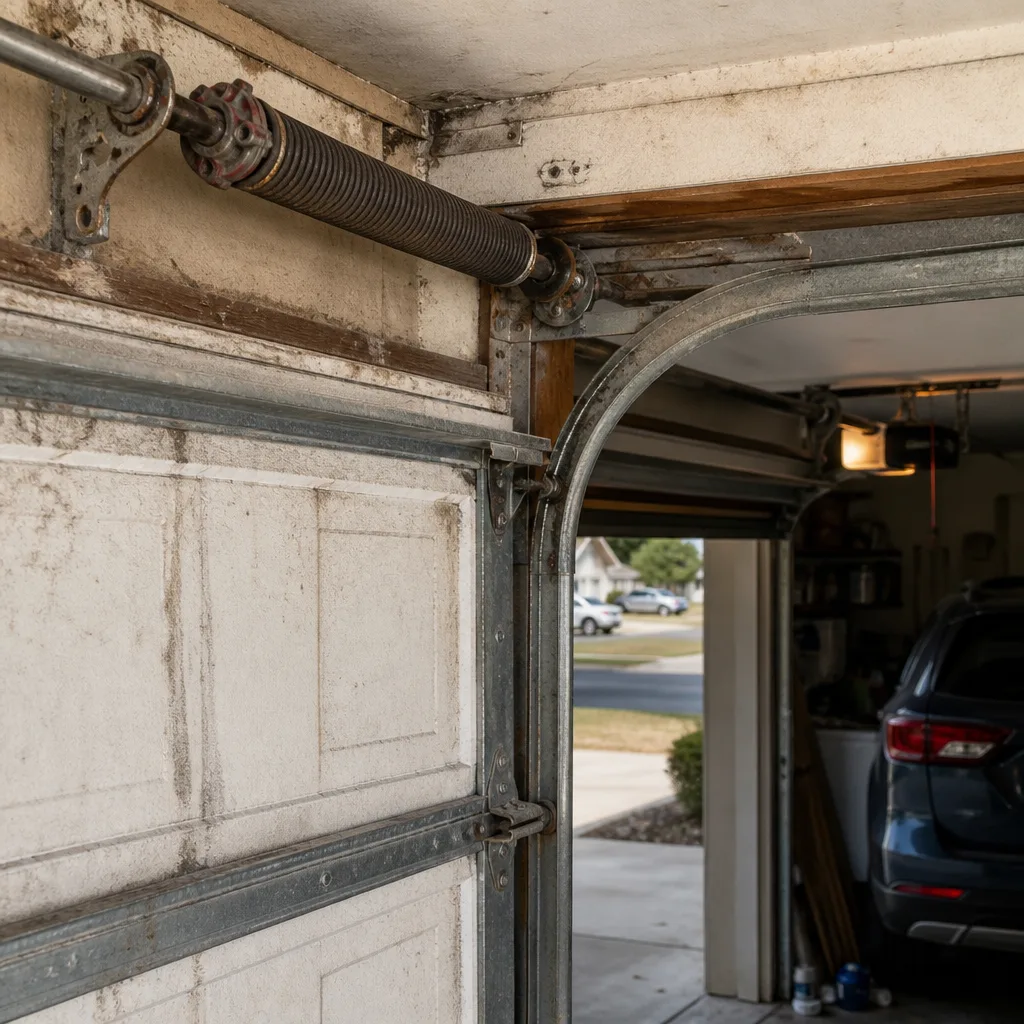 Before
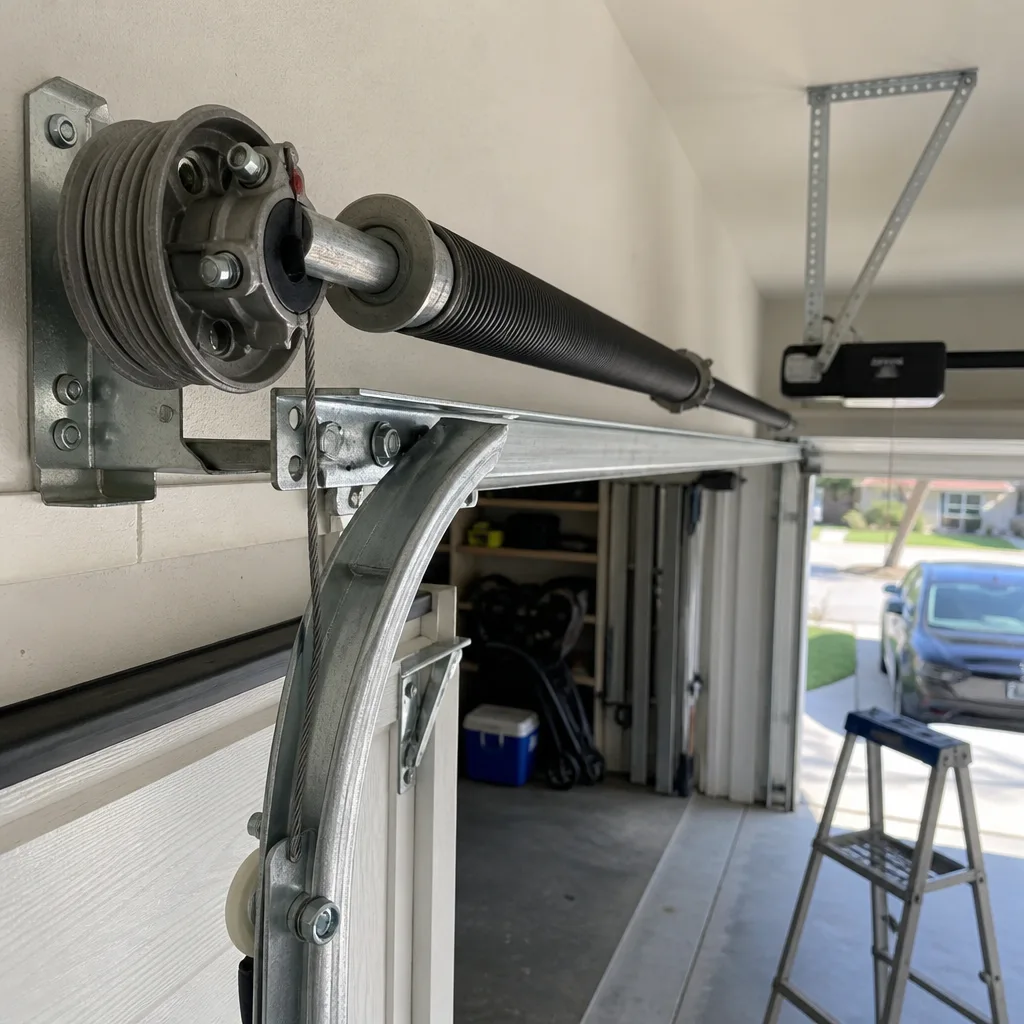 After
 Before
 After
 Before
 After