
Last updated October 30, 2026
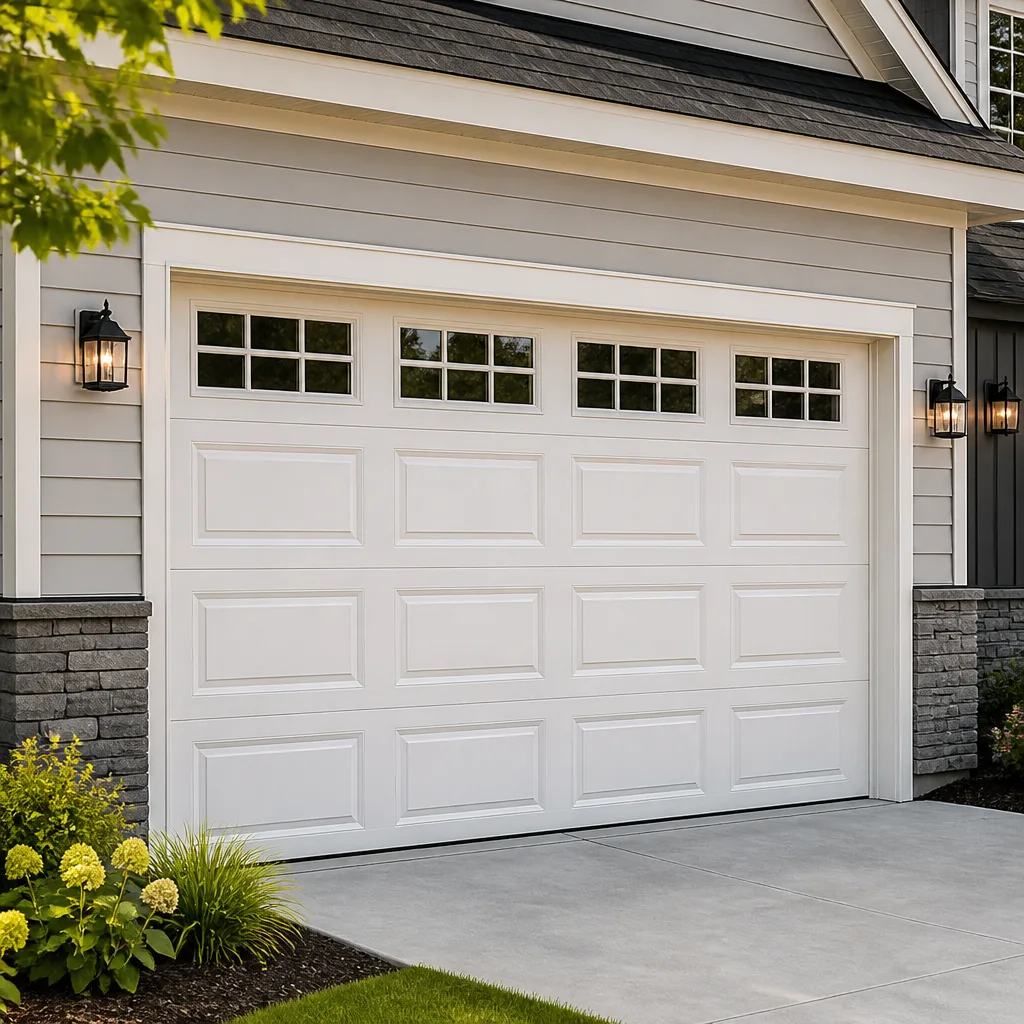 Raised-panel steel
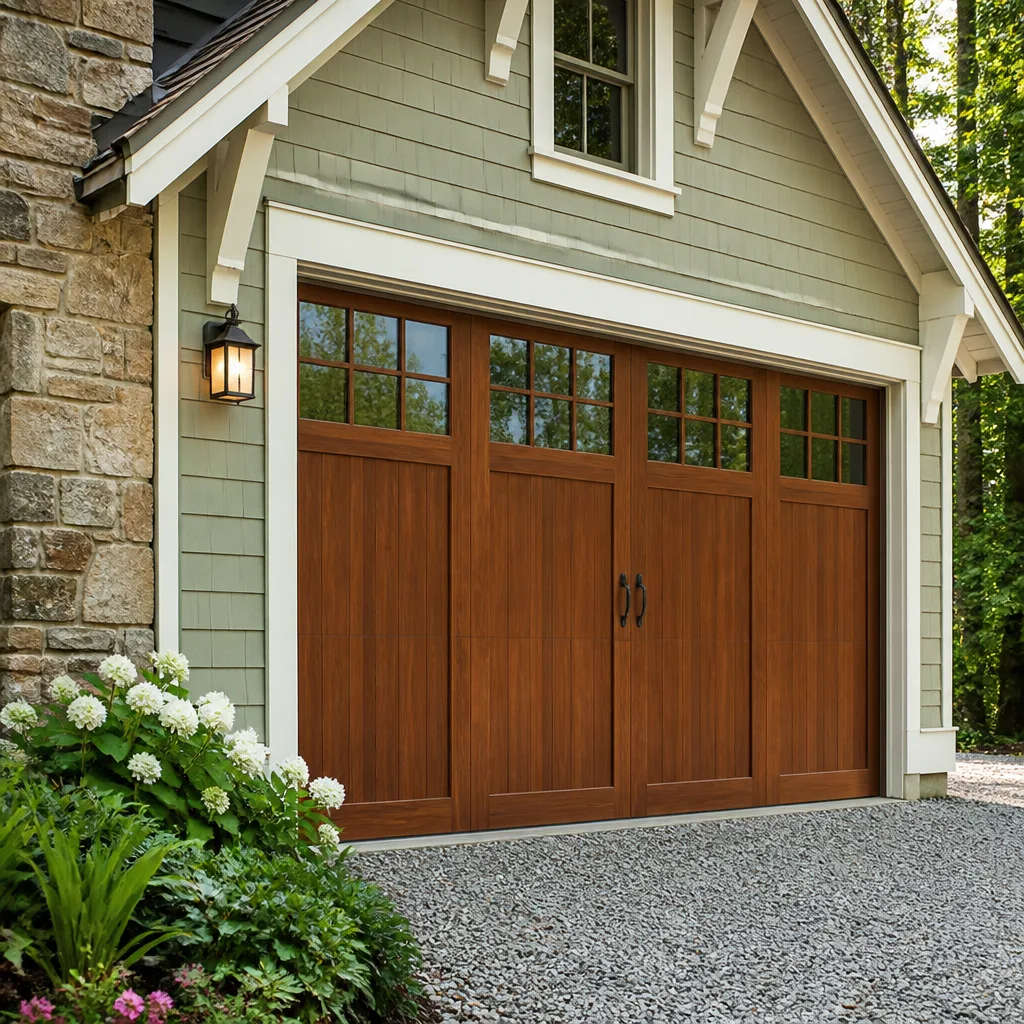 Carriage house
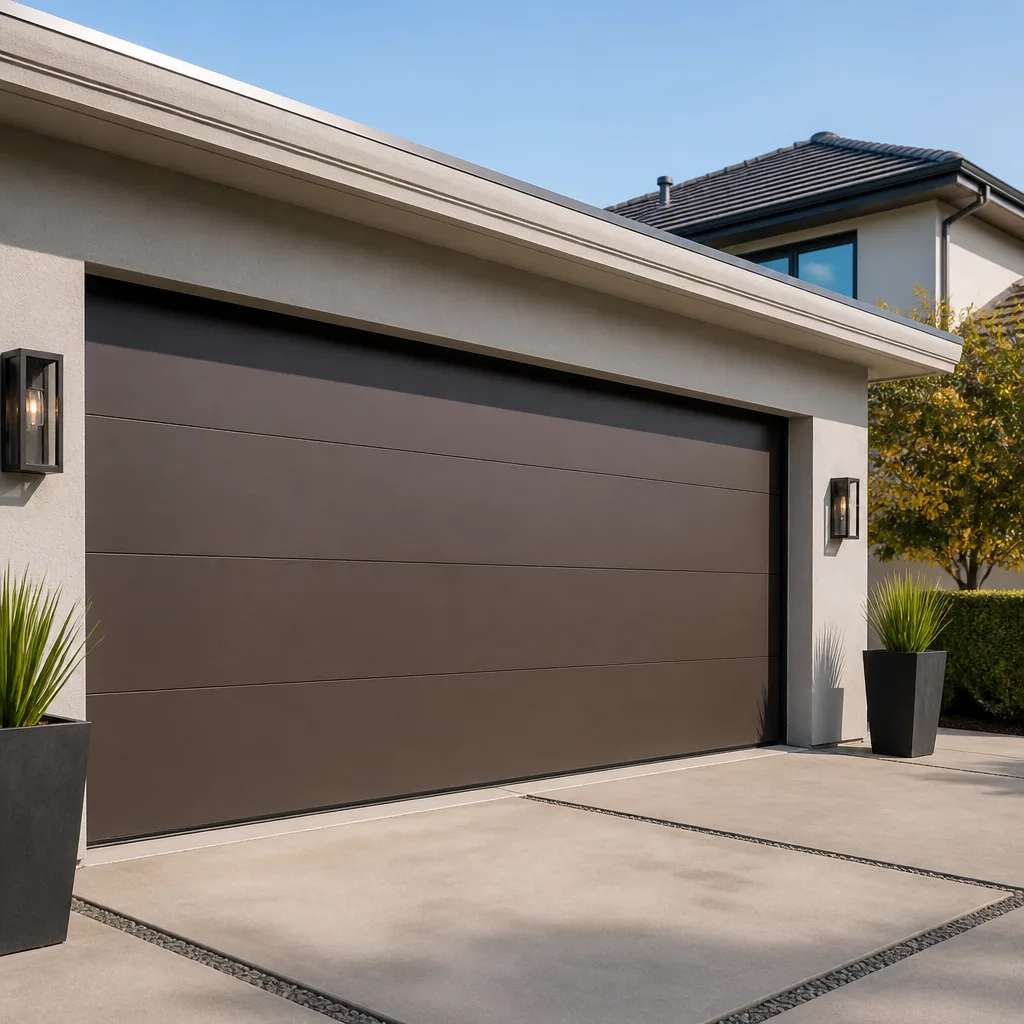 Modern flush
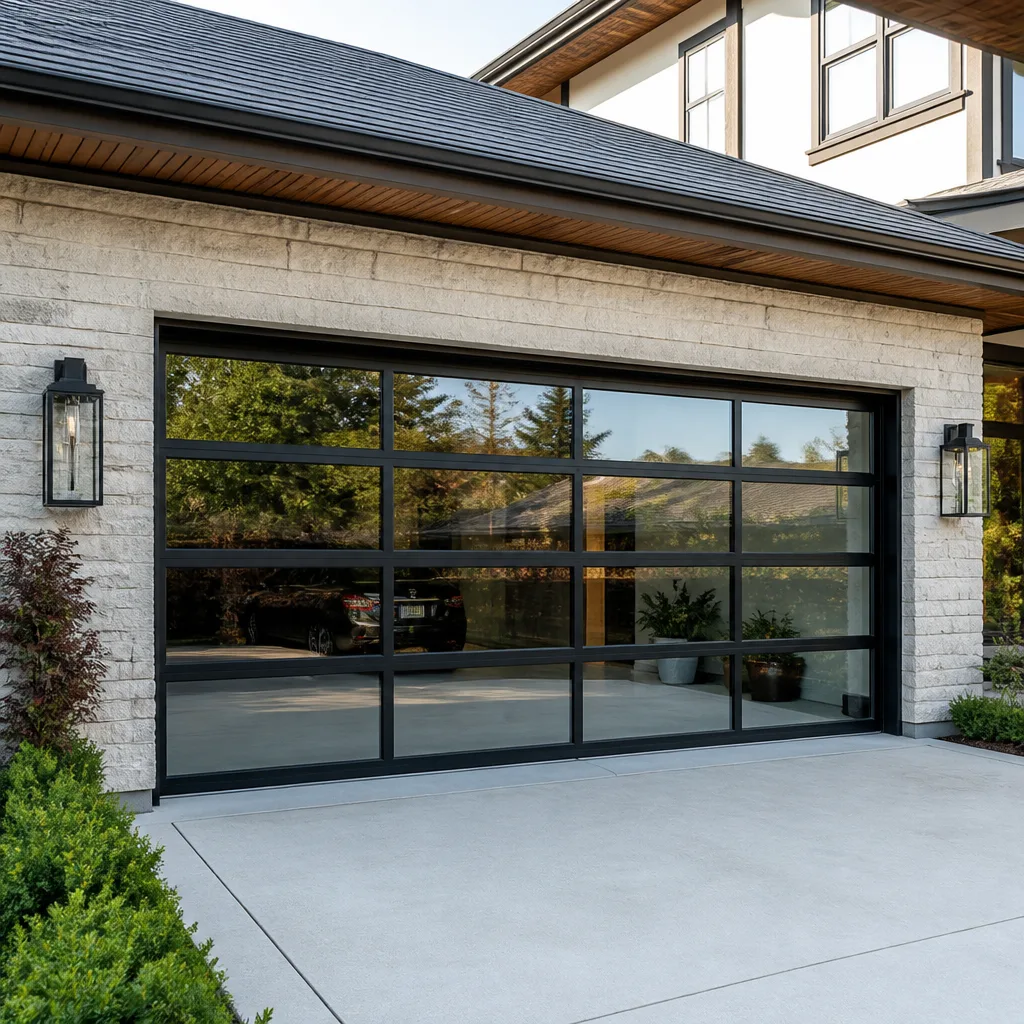 Full-view glass
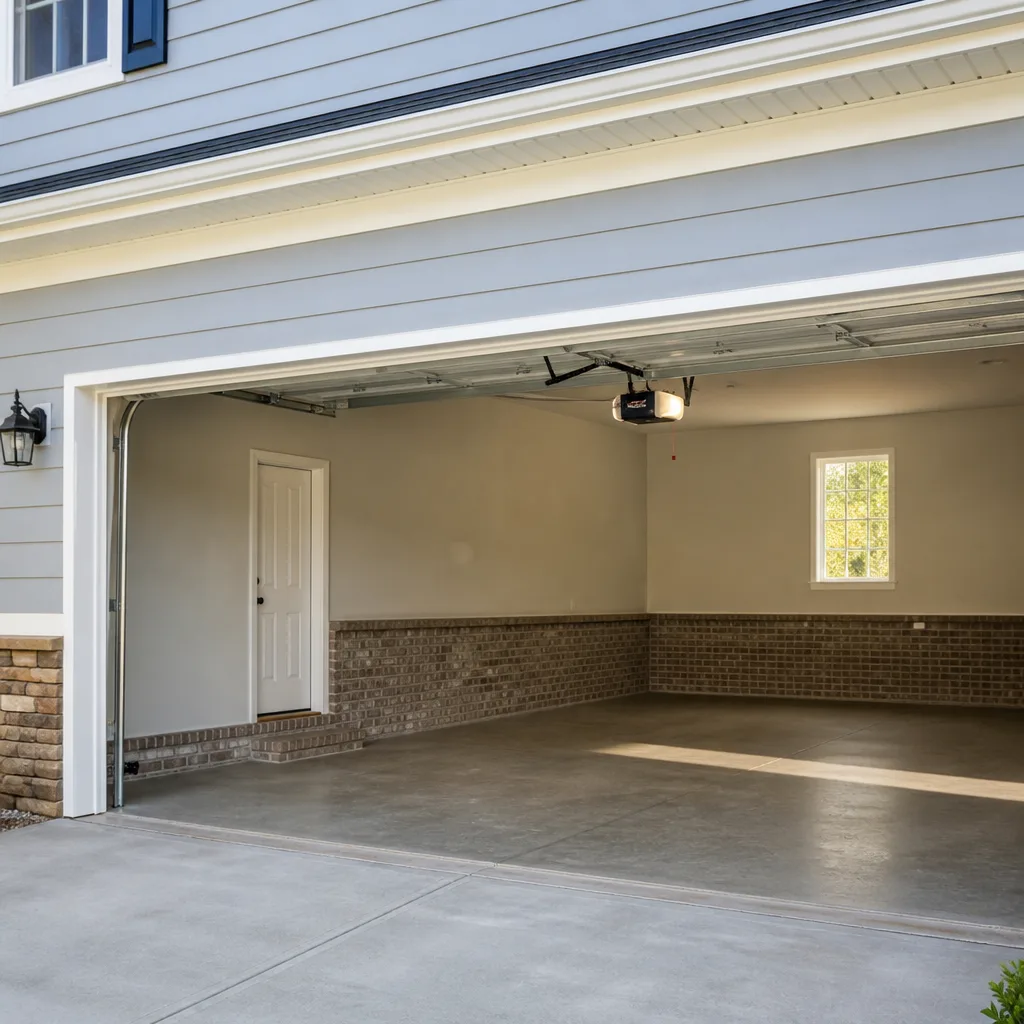 LiftMaster openers
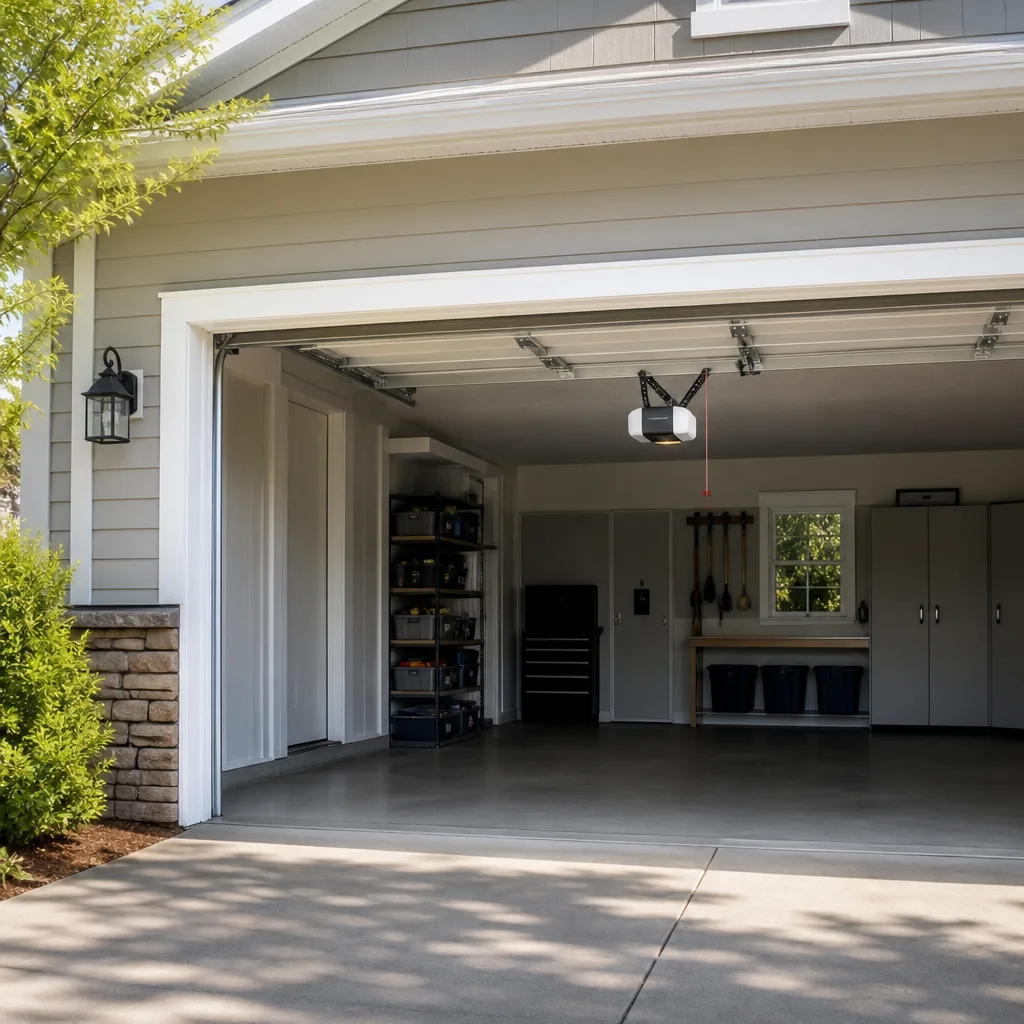 Chamberlain openers
Full 25-point door and opener safety check with every visit - springs, cables, rollers, tracks, and your LiftMaster or Chamberlain opener included
You get a price before we start. It does not change when the truck arrives.
Get your free estimateDIY vs Professional Garage Door: The Jacksonville Homeowner’s Decision Guide
Here’s a fact most Jacksonville homeowners don’t know: if you hire an unlicensed handyman to install a new garage door, and that handyman gets injured or the door fails, you could share liability for an unlicensed contracting violation under Florida law. You could legally do the exact same job yourself as an owner-builder, file the right paperwork, and face none of that exposure. The DIY question isn’t really about whether you can turn a wrench. It’s about a legal line most people don’t know exists until someone gets hurt or an insurance claim gets denied.
Styles & brands we work with
Quick Answer
For most Jacksonville homeowners, lubrication, sensor alignment, and remote programming are safe DIY tasks that save money without legal or safety risk. Spring replacement, cable work, and permitted new-door installation are jobs that Florida’s building codes and the physics of stored tension put firmly in professional territory. We’ll walk through exactly where that line falls, what the owner-builder exemption actually requires, and how to split the work so you save money without creating exposure. For Garage Door Permits, Codes & Inspections in FL: What You Need to Know, see our dedicated guide.
Table of Contents
- The Florida Legal Line: Where DIY Ends
- Three Tasks That Are Genuinely DIY-Appropriate in Jacksonville
- Three Tasks That Are Not DIY (And We Mean Not)
- Wind-Load Compliance: Why a Self-Installed Door Becomes an Insurance Problem
- The Tool and Knowledge Gap: What YouTube Doesn’t Show You
- The Middle Path: What to Handle Yourself to Reduce a Service Bill
- What DIY Actually Costs in Jacksonville: A Line-Item Reality Check
- Common Mistakes to Avoid
- When to Call a Professional
- Frequently Asked Questions
- The Bottom Line
The Florida Legal Line: Where DIY Ends
Florida Statutes Chapter 489 exempts homeowners from contractor licensing requirements when they act as their own builder on their own primary residence. That exemption covers garage door replacement. You can pull your own permit in Jacksonville, install your own door, own the outcome, and it’s legal. But the exemption has two hard boundaries most people miss.
First, it applies only to the owner personally. The moment you pay someone else to do that installation, the exemption evaporates. If that person isn’t a licensed contractor, you’ve now engaged in unlicensed contracting. Under Florida law, you’re not just hiring illegally: you’re a party to it. If the unlicensed installer gets hurt on your property, if the door fails and damages a car, if the installation violates wind-load code and a storm tears the door off, your insurance company has grounds to deny the claim and you may face civil liability. This isn’t theoretical. Jacksonville code enforcement handles unlicensed contracting complaints weekly, especially in rapid-build neighborhoods like Bartram Park, eTown, and Tamaya.
Second, the exemption doesn’t waive the permit requirement itself. In Duval County, a garage door replacement that alters the structural opening or changes the wind-load rating on the home requires a permit and inspection. Homeowners can obtain that permit as owner-builders. What most people discover too late is that the permit application requires a product approval number for the door assembly, which means the door must be a Florida Product Approved system with wind-load documentation. Pick a door off a big-box shelf without checking that documentation, and the permit office will reject the application. That’s the moment DIY enthusiasm usually dies.
We work on what you have, not just what we sell. And what we see in Jacksonville is that the legal complications around door replacement surprise even experienced DIYers. The physical installation is maybe 40% of the job. The paperwork, the code compliance, the wind-load math: that’s the other 60%, and it’s the part no store associate mentions.
Three Tasks That Are Genuinely DIY-Appropriate in Jacksonville
Not everything on a garage door needs a service call. Some tasks are low-risk, require basic tools, and save real money. Here are the three we tell Jacksonville homeowners they can safely handle.
1. Lubrication of Moving Parts
Jacksonville’s humidity and salt air are rough on metal components. Rollers, hinges, and springs wear faster here than they do in drier climates. A quarterly lubrication routine extends component life and quiets operation. The process takes 15 minutes: apply a white lithium grease or silicone-based spray to the hinges and roller bearings, and a light coating to the torsion spring. Don’t use WD-40: it’s a solvent, not a lubricant, and it will strip protective coating. This is the single best maintenance dollar most homeowners never spend.
2. Sensor Alignment
If your door reverses when closing, or the opener lights flash and the door won’t move, the photo-eye sensors near the floor have usually been bumped out of alignment. These are small plastic units mounted about six inches off the ground on each side of the door opening. Loosen the wing nut holding the sensor bracket, adjust the sensor so both units face each other directly, and retighten. When aligned, the indicator light on each sensor stays solid. This takes five minutes and does not require touching any spring or cable.
3. Remote and Keypad Programming
Replacing a lost remote or adding a keypad is plug-and-play on most modern openers. LiftMaster, Chamberlain, Genie, and Craftsman units all have a “learn” button on the motor head: press it, press the remote button, and pairing completes. Keypads follow similar steps with a temporary PIN setup. The one caveat: if your opener is older than about 1993 and uses DIP switch coding, programming requires matching physical switches inside the remote. Still DIY-able, but take a photo of the switch positions before changing anything.
Three Tasks That Are Not DIY (And We Mean Not)
These are the three jobs where we have seen seriously injured homeowners, destroyed doors, and denied insurance claims in Jacksonville. Before tackling any project, review our Garage Door Emergency Preparedness Guide for Jacksonville Homes. The dividing line isn’t skill. It’s stored energy and permit law.
1. Spring Replacement
Torsion springs hold 150 to 250 pounds of torque even when the door is fully open. When one snaps, the force releases uncontrolled. In Jacksonville garages, springs typically fail after 10,000 to 15,000 cycles, which for a daily-use door is 7 to 10 years. Coastal humidity accelerates corrosion on spring steel, and we see earlier failures in older Jacksonville neighborhoods like Ortega and San Marco where garages are often uninsulated and open to ambient moisture. Replacing a torsion spring requires winding bars, specific torque counts, and experience reading spring wire diameter and length to match counterbalance force to door weight. A mismatched spring either slams the door or burns out the opener motor. If the winding bar slips during installation, the force can break bones or worse. This is the one job we tell every homeowner, regardless of handiness, to skip.
2. Cable Replacement
Lift cables run alongside the door and work with the springs to manage the door’s weight through the travel cycle. A frayed or snapped cable on one side means the remaining cable is carrying an unbalanced load. If the second cable fails while you’re underneath the door, the full weight of the door drops. In our experience, cable repairs are often misdiagnosed as spring problems by homeowners, and attempted cable fixes without the proper tools nearly always result in the door falling off-track. Cables also carry specific tension settings that must match the spring configuration. The risk here isn’t just to you: a falling door section weighs 80 to 150 pounds depending on the panel type.
3. New Door Installation with Permit
A new garage door in Duval County that changes the opening dimensions or replaces a non-impact-rated door with a different system requires a building permit. The permit requires a Florida Product Approved door assembly with documented wind-load ratings for the Jacksonville area, which sits in a high-velocity hurricane zone. Self-installing a door without that approval means no permit, which means no inspection, which means your homeowner’s insurance can deny wind-damage claims after the next tropical system. This is where the DIY savings evaporate completely: the legal and financial exposure outweighs any labor cost. Garage Door Installation in Jacksonville requires knowing which doors carry the right product approvals before the first bolt goes in.
Wind-Load Compliance: Why a Self-Installed Door Becomes an Insurance Problem
Jacksonville sits in Florida’s wind-borne debris region, and building codes here require garage doors to meet specific wind-load ratings because a failed garage door during a hurricane pressurizes the home and blows the roof off. It’s the single largest opening in most houses, and when it fails, the whole structure fails. That’s why Duval County requires product approval documentation on replacement doors.
When a homeowner self-installs a door without a permit, the installation is invisible to the county. That sounds like a win until a storm arrives. If the door fails under wind load and causes interior damage, the insurance adjuster’s first question is whether the door met code. No permit, no inspection, no documentation: the claim gets denied or reduced. We have watched this happen in Jacksonville after every significant storm season, and the homeowners who took the permitted path are the ones whose claims cleared without argument.
Wind-rated doors also require specific installation details that big-box retailers don’t include in the box: anchoring methods, jamb reinforcement, and top strut placement vary by manufacturer and wind-load zone. Install these incorrectly, and a door rated for 150 mph winds performs like a door rated for 90 mph. The rating on the label only matters if the installation matches the engineering. This is where the knowledge gap becomes a financial gap.
The Tool and Knowledge Gap: What YouTube Doesn’t Show You
Every garage door installation video makes it look like a morning project: unbox the panels, join the sections, hang the track, attach the springs, done. What those videos don’t show is what happens when the opening isn’t square, or the floor has settled, or the existing track layout doesn’t match the new door’s hardware pattern. In older Jacksonville homes, especially in neighborhoods like Riverside and Avondale where garages were built for carriages rather than SUVs, off-square openings are more common than square ones.
A professional working on a Garage Door Repair in Jacksonville brings a few things a YouTube tutorial cannot. First, a torque wrench and winding bars rated for torsion springs: most homeowners don’t own either, and improvising with screwdrivers or pry bars is how injuries happen. Second, a laser level and floor transition experience for shimming bottom brackets on uneven slabs. Third, familiarity with the brand-specific hardware quirks across manufacturers: a Clopay door’s top strut configuration differs from an Amarr’s, and a Raynor’s track radius doesn’t match a Wayne Dalton’s. Fourth, and most importantly, the ability to identify when an existing opening needs structural adjustment before the new door is hung. That diagnosis happens before installation, not during, and it’s the difference between a door that operates smoothly for 15 years and one that binds every time the temperature shifts.
The Middle Path: What to Handle Yourself to Reduce a Service Bill
You don’t have to choose between all-DIY and all-professional. The smart Jacksonville homeowner splits the work. Here’s a practical breakdown.
- Inspect and document. Walk the door through a full open-and-close cycle every month. Listen for grinding at the hinges, watch for jerky movement, and check the balance by disconnecting the opener and lifting the door manually. It should hold at mid-height. If it drifts, the springs are losing tension and the documentation you keep helps a tech diagnose faster.
- Maintain on schedule. Lubricate quarterly, tighten visible hinge and track bolts twice a year, and clean the sensor lenses every fall when Jacksonville’s oak pollen season coats everything.
- Know your opener. Learn your specific unit’s maintenance schedule. A LiftMaster opener has different wear points than a Chamberlain, even though the same parent company builds both. A Craftsman from the 2000s has a different drive rail tolerance than a modern belt-drive Genie. Knowing your model means you can spot early problems.
- Call before small issues become large ones. A frayed cable, a rusted bottom bracket, or an opener that hesitates on start are all cheap repairs now and expensive replacements later. When you call, tell the tech the brand and model. A specialist who knows your specific opener can often diagnose over the phone and arrive with the right parts.
This middle path keeps maintenance costs low without crossing into spring tension, cable tension, or permit territory. It’s also the approach that respects how Jacksonville’s climate treats garage door systems: continuous humidity, salt exposure near the beaches, and sudden temperature swings that stress steel components year-round.
What DIY Actually Costs in Jacksonville: A Line-Item Reality Check
The DIY math usually starts with the price of the part and stops there. Real math accounts for tools, time, mistakes, and the hidden legal exposure. Here’s what a typical Jacksonville homeowner faces.
| Task | DIY Cost (Jacksonville market) | Professional Cost Range | What DIY Doesn’t Account For |
|---|---|---|---|
| Quarterly lubrication | $12-$18 for lubricant | $85-$125 per service visit | None: DIY strongly recommended |
| Sensor alignment | $0 | $75-$110 service call | None: DIY recommended if simple misalignment |
| Remote programming | $30-$60 for new remote | $80-$140 with part | None: DIY recommended on modern openers |
| Roller replacement | $20-$40 in parts | $130-$180 | Requires opening the track, which is riskier than it looks |
| Spring replacement (single) | $50-$90 in parts | $220-$340 | Tool cost, injury risk, incorrect tension match |
| Cable replacement (pair) | $25-$45 in parts | $180-$270 | Door-drop risk, track re-alignment knowledge |
| New door installation (permitted) | $700-$1,500+ in materials | $1,600-$3,800 installed and inspected | Permit fees, wind-load documentation, liability, opening correction |
The pattern is clear: maintenance tasks favor DIY strongly. Anything involving springs, cables, or permitted structural work favors professional service, not because of parts cost but because of what goes wrong when the installation is wrong. The price we quote is agreed before any work starts, so there is no surprise at the end of the job. That’s how we’ve always operated, and it removes the second-largest fear homeowners have after the malfunction itself.
Common Mistakes to Avoid
- Skipping the permit on a new door. In Duval County, unpermitted door replacements are discovered during home sales, insurance claims, and code enforcement sweeps. The cost to retroactively permit is higher than the original permit would have been, and insurance claims tied to an unpermitted installation are routinely denied.
- Hiring an unlicensed handyman for spring work. Florida law requires a licensed contractor for this work when you’re paying someone else to do it. The liability if that person is injured on your property belongs to you.
- Using the wrong lubricant. WD-40 and penetrating oils wash out bearing grease and attract dust. Use white lithium grease or silicone spray on moving metal parts and nothing else.
- Trusting a big-box product approval number without checking. Doors sold in box stores are not always Florida Product Approved for the Jacksonville wind zone. Verify before you buy, not after the permit office rejects your application.
- Ignoring a noisy door. Grinding, popping, or squealing sounds are early warnings of failing springs, worn rollers, or track misalignment. Jacksonville humidity accelerates these failures once they begin. A $150 repair ignored becomes a $900 replacement.
- Assuming all openers are the same. A Craftsman opener from 2008 and a lifting mechanism from a current LiftMaster may share DNA, but they do not share parts or programming procedures. Diagnosing the wrong model wastes time and often makes the problem worse.
- Replacing one spring only. Garage doors have two springs for a reason. If one fails, the second has the same cycle count and will fail soon. Replacing one now means paying labor twice. A professional replaces both and rebalances the door.
When to Call a Professional
Call when the springs are involved, when the cables look frayed, when the door is off-track, when a new installation requires a permit, or when the opener stops responding to both the wall console and the remote at the same time. Those are the situations where Jacksonville homeowners stand to lose the most by guessing. Your LiftMaster, Chamberlain, Genie, or Craftsman opener, serviced by someone who knows it, gets diagnosed accurately the first time. Heritage Garage Door Service offers free estimates in Jacksonville. Call (833) 711-2679 and one call covers the door, the opener, and everything in between.
Frequently Asked Questions
Yes, as an owner-builder on your own primary residence, Florida law permits you to obtain a permit and install your own garage door. The permit still requires a Florida Product Approved door with proper wind-load documentation, and the installation must pass inspection. Skipping the permit makes the job illegal and creates insurance exposure.
The owner-builder exemption in Florida Statute 489.103 allows a homeowner to act as their own contractor on their primary residence without holding a contractor’s license. In Duval County, you file an owner-builder affidavit as part of the permit application, affirming you’ll perform or directly supervise the work and occupy the home. The exemption ends the moment you pay an unlicensed person to do the work.
Spring replacement in Jacksonville typically runs $220 to $340 for a single spring, and most professionals replace both springs for $330 to $500 total including parts and labor. Prices vary by spring type, door weight, and whether the technician needs to rebalance the door. Call (833) 711-2679 for an exact quote. Estimates are free and the price is agreed before work starts.
You’ll have a functioning door until one of three things happens: a storm damages it and the insurance adjuster asks for the permit; you sell the home and the inspection uncovers unpermitted work; or code enforcement flags the installation. Any of those outcomes costs more to fix than the original permit and inspection would have cost.
Lubrication, sensor alignment, and remote programming are the three tasks we consider genuinely DIY-safe for Jacksonville homeowners. None involve stored spring tension, cable manipulation, or structural changes. Everything else carries risk that insurance claims and hospital bills make expensive.
We work on LiftMaster, Chamberlain, Genie, Craftsman, Clopay, Amarr, Wayne Dalton, and Raynor. That breadth means we diagnose and repair what’s actually in your garage. If your opener is a brand we don’t service, we’ll tell you upfront rather than waste a trip.
On paper, yes: materials cost $700 to $1,500 depending on the door. In practice, when you add permit fees, wind-load documentation, the tools you don’t already own, the time spent, and the insurance exposure from an unpermitted installation, the savings shrink or disappear. A professional Garage Door Opener Repair in Jacksonville also ensures the opener integrates with the new door correctly, which self-installations frequently overlook.
The Bottom Line
The DIY versus professional decision in Jacksonville comes down to one question: does the task involve stored tension or a building permit? If the answer is no, grab the lubricant and the remote manual. If the answer is yes, the legal exposure and physical risk outweigh any labor savings. Maintenance is yours. Installation and spring work belong to someone trained across the major brands, familiar with Duval County’s permitting process, and willing to stand behind the work. Repair or replace: we’ll tell you which one actually makes sense. Our Heritage Garage Door Service home page covers the full scope of what we do across Jacksonville, or Garage Door Installation in Jacksonville addresses permitted replacements specifically. Call (833) 711-2679 for a free estimate on any door or opener issue.
Written by the team at Heritage Garage Door Service, serving Jacksonville since 2018. Explore more guides & resources on our blog.
See the difference
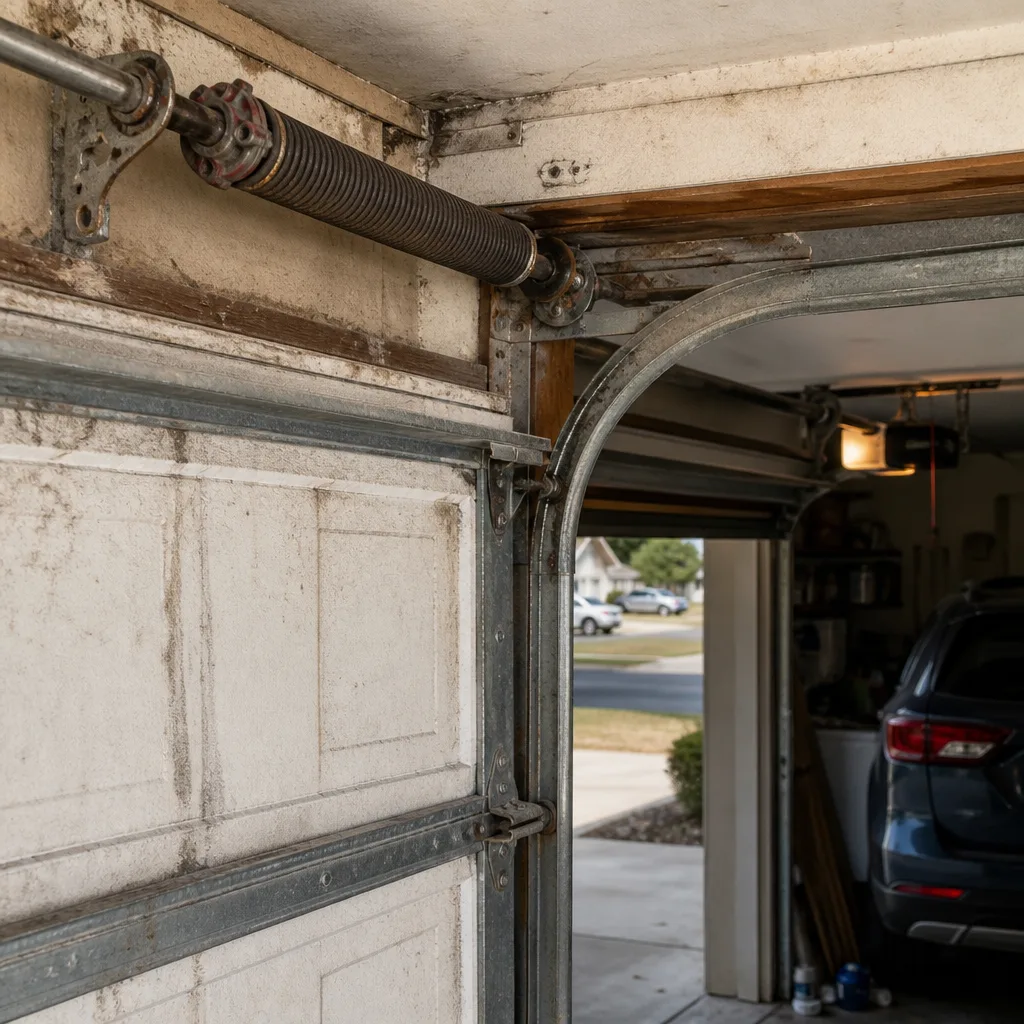 Before
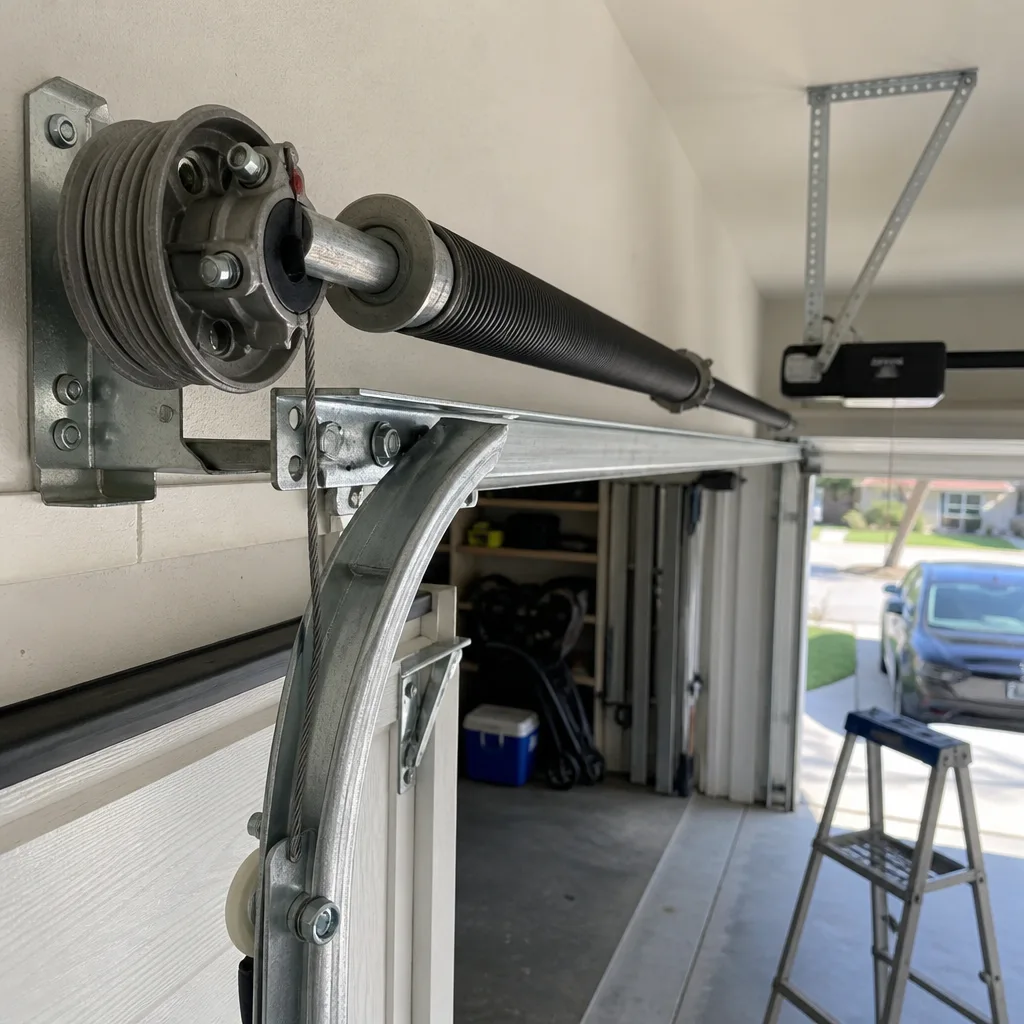 After
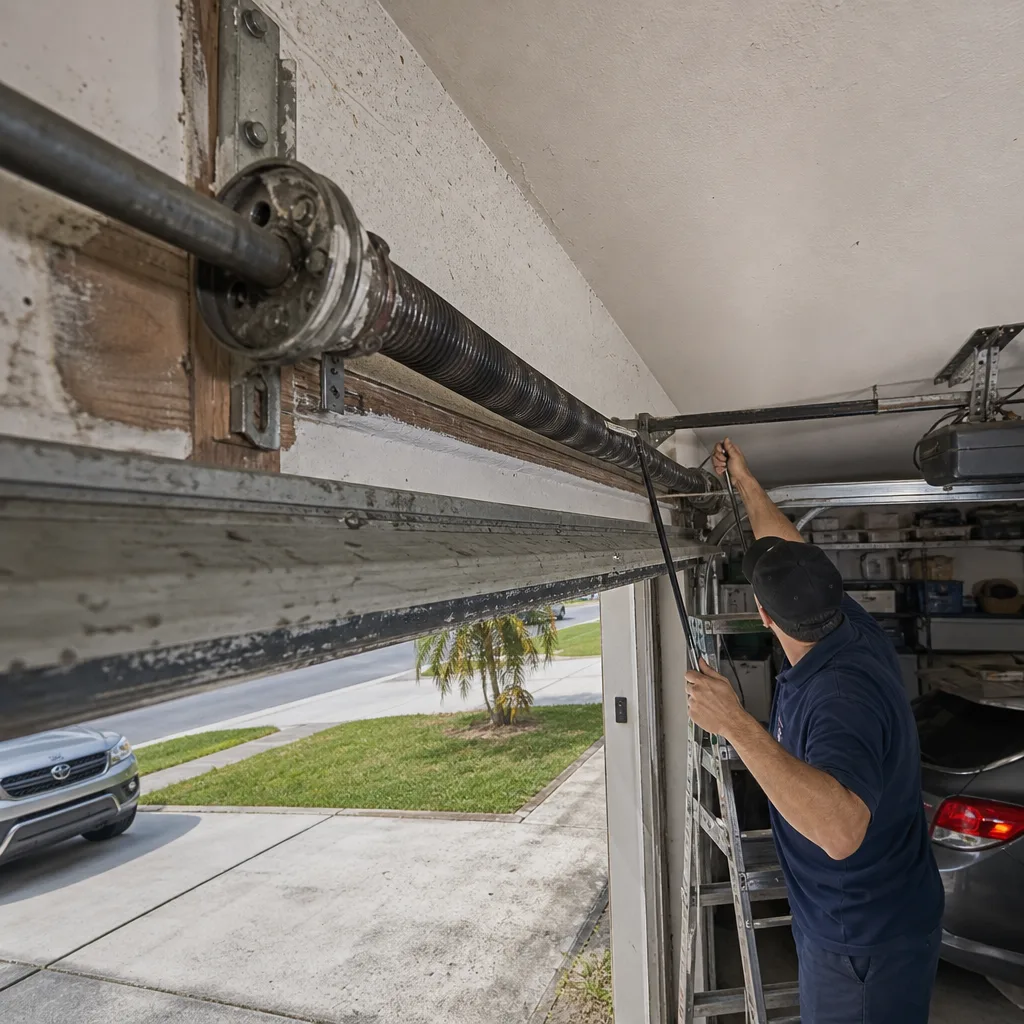 Before
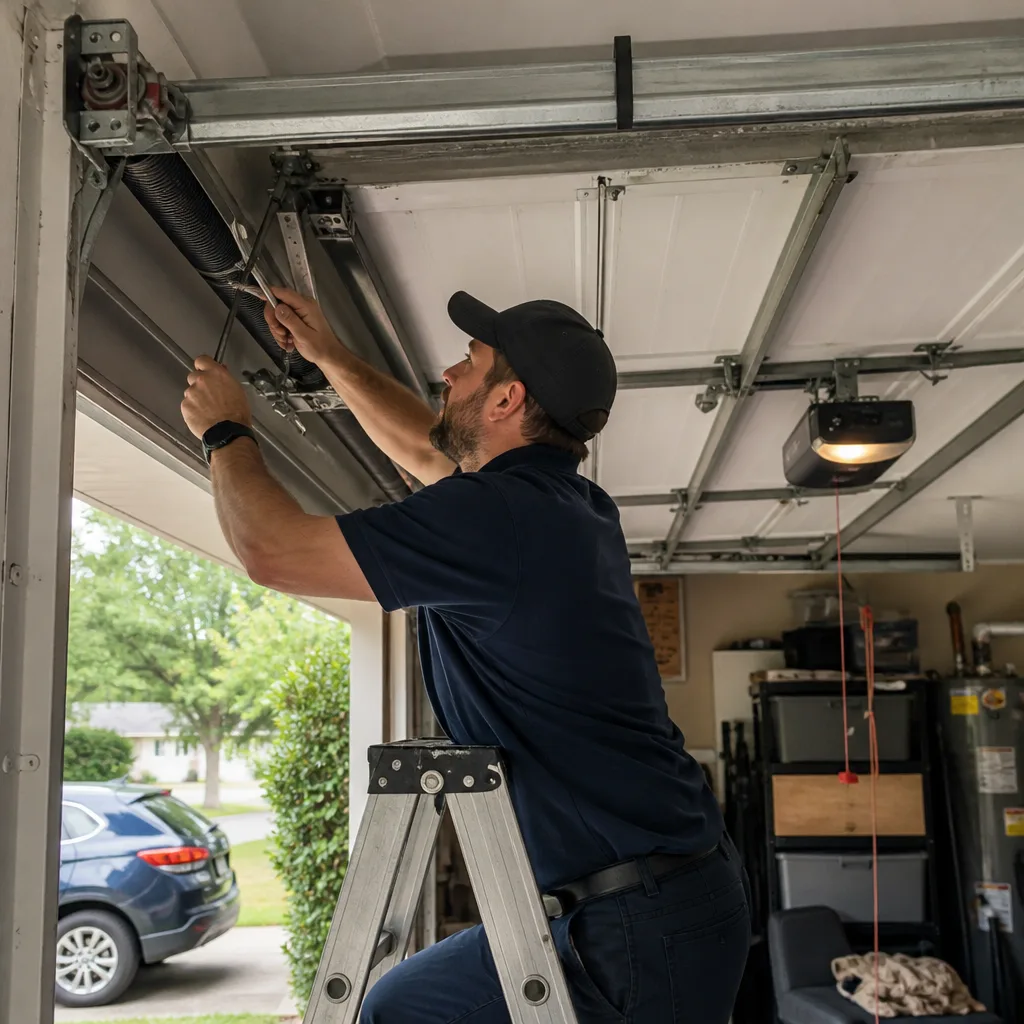 After
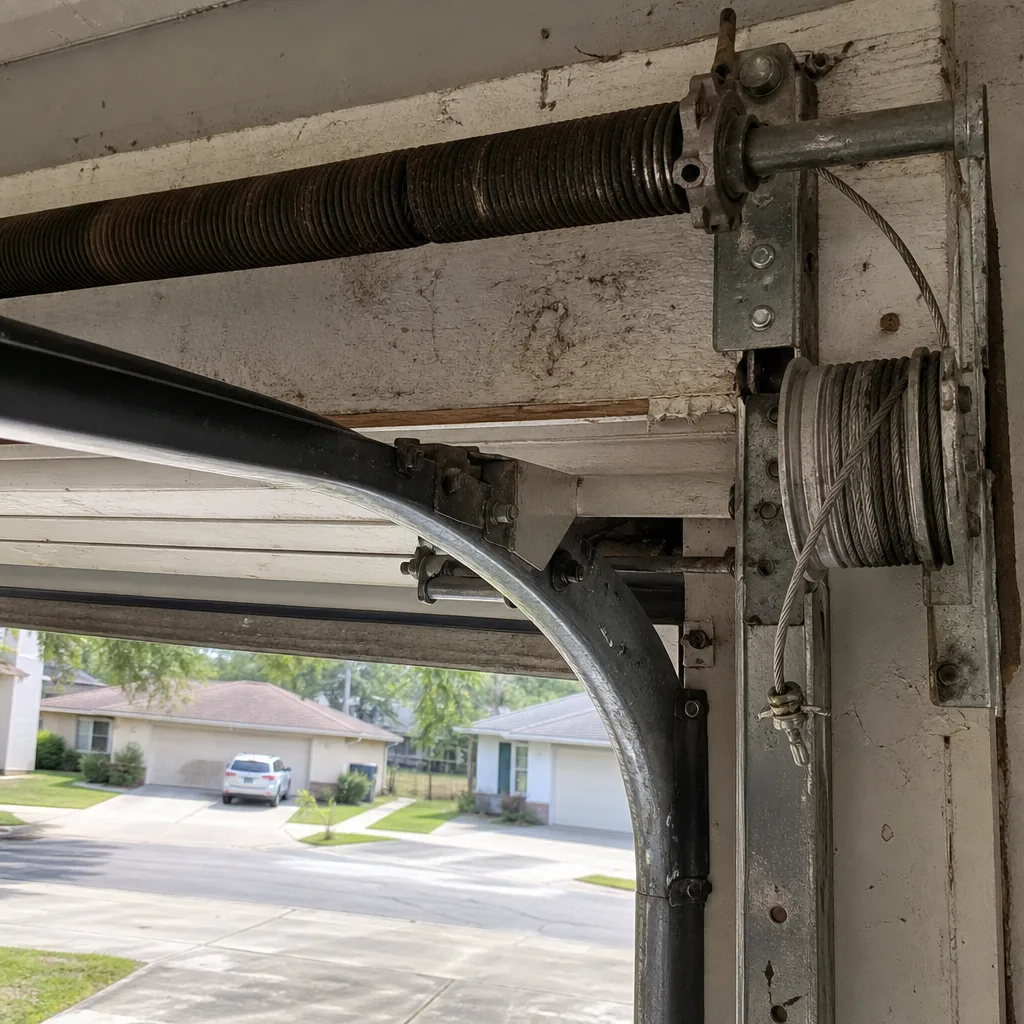 Before
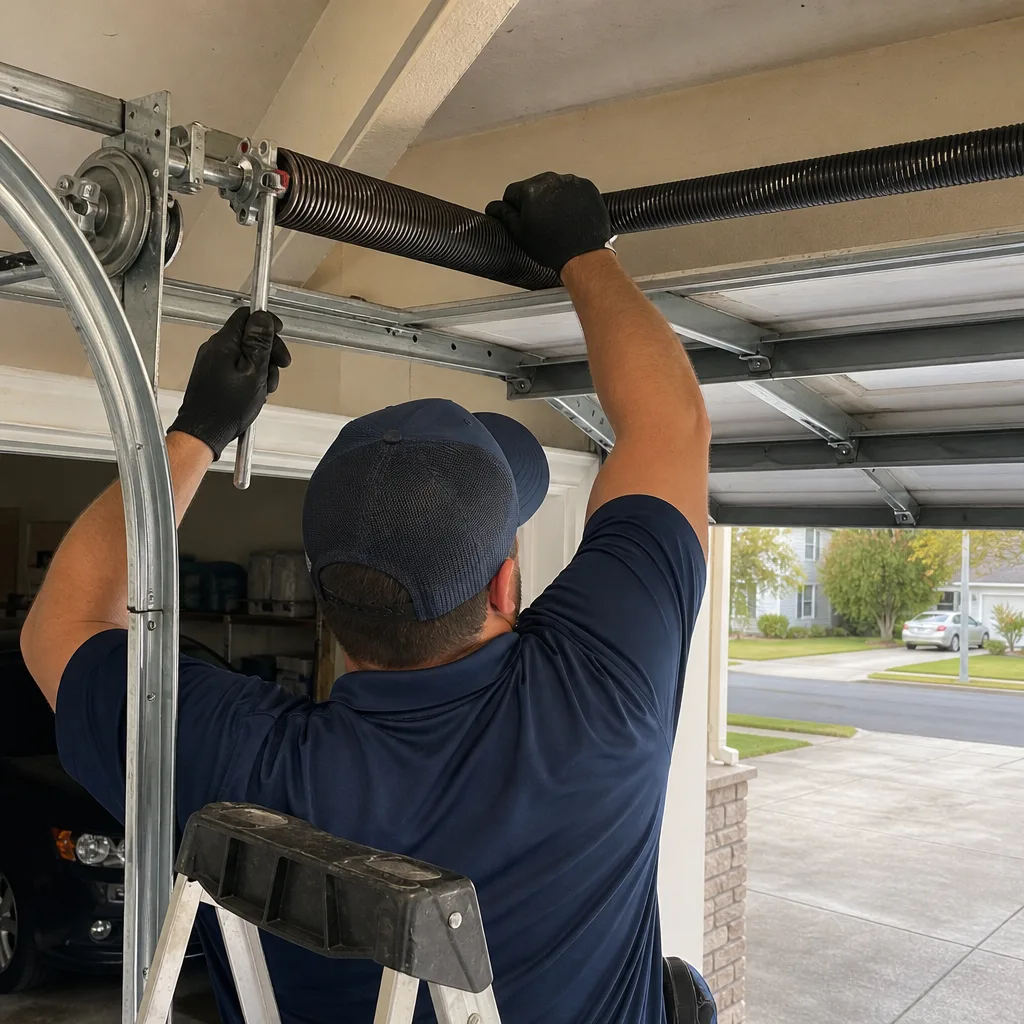 After