
Last updated October 30, 2026
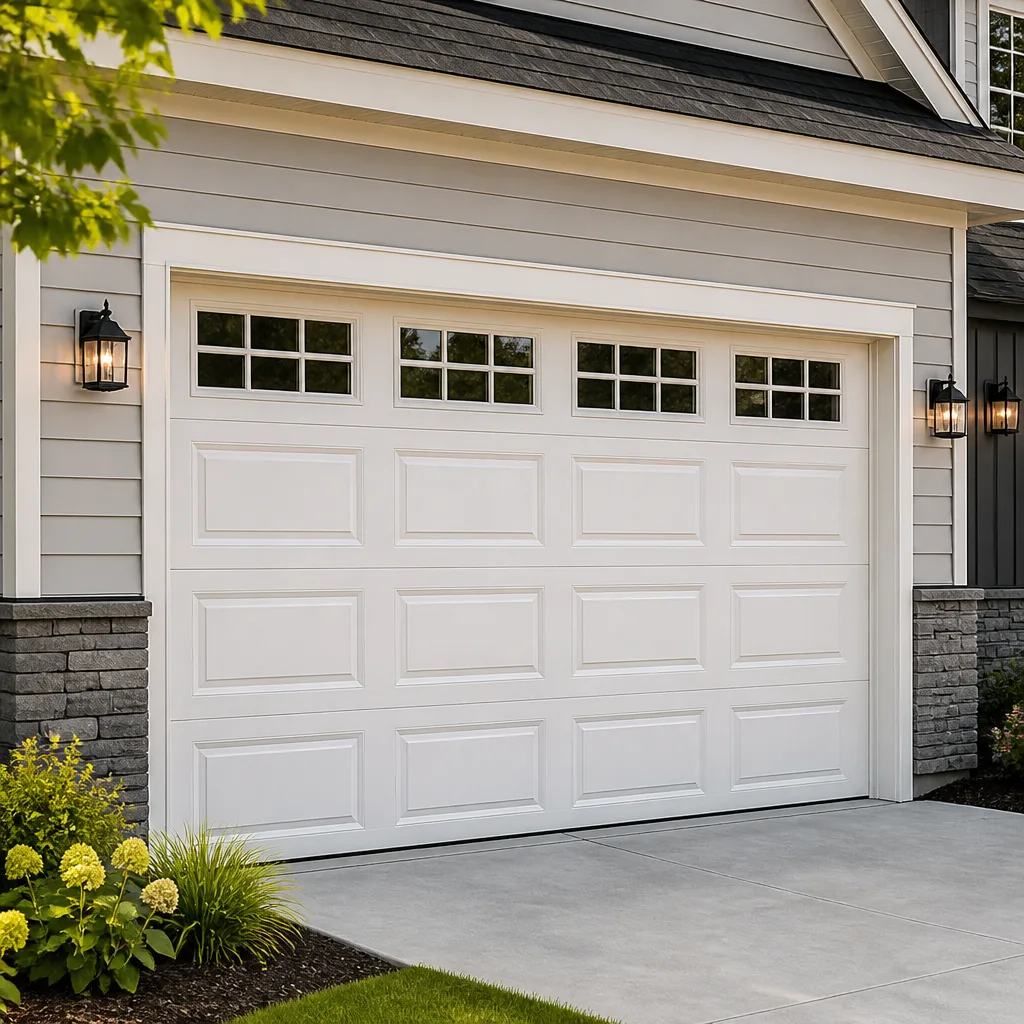 Raised-panel steel
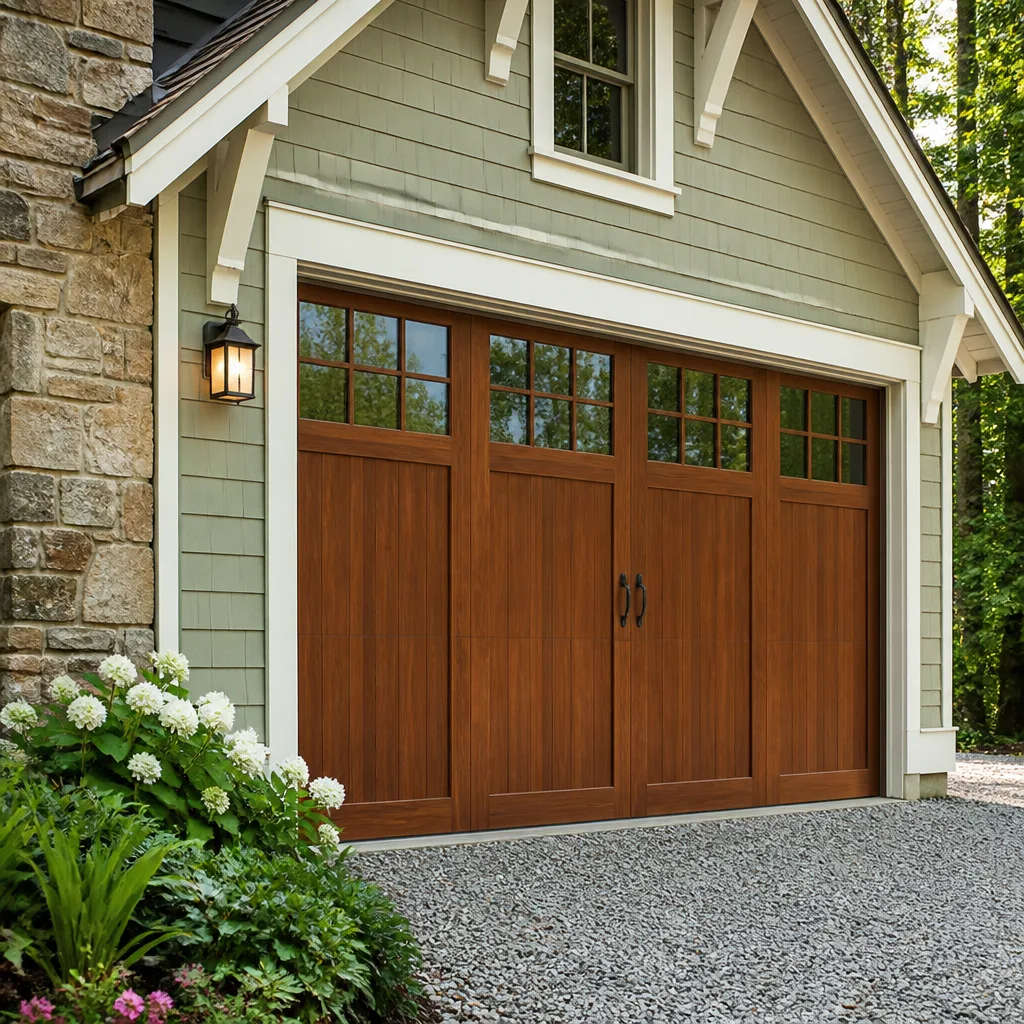 Carriage house
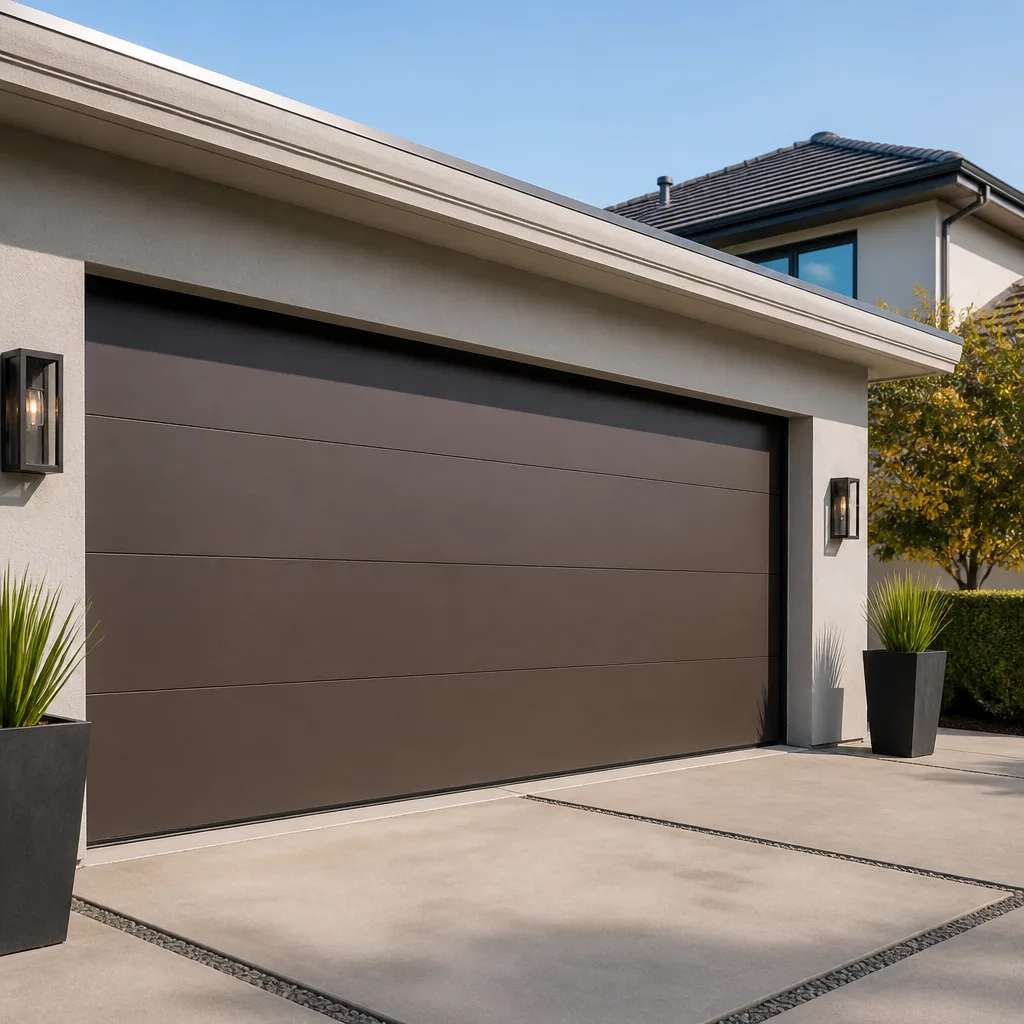 Modern flush
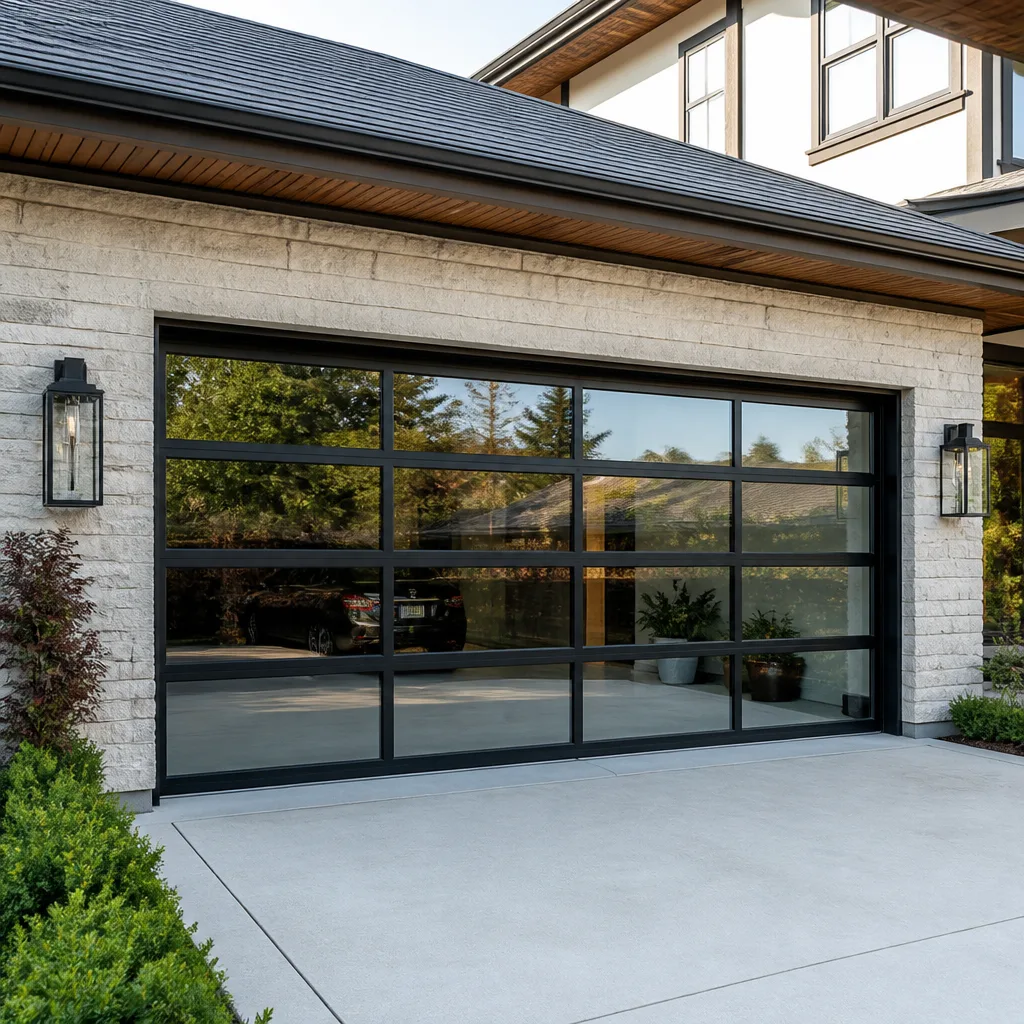 Full-view glass
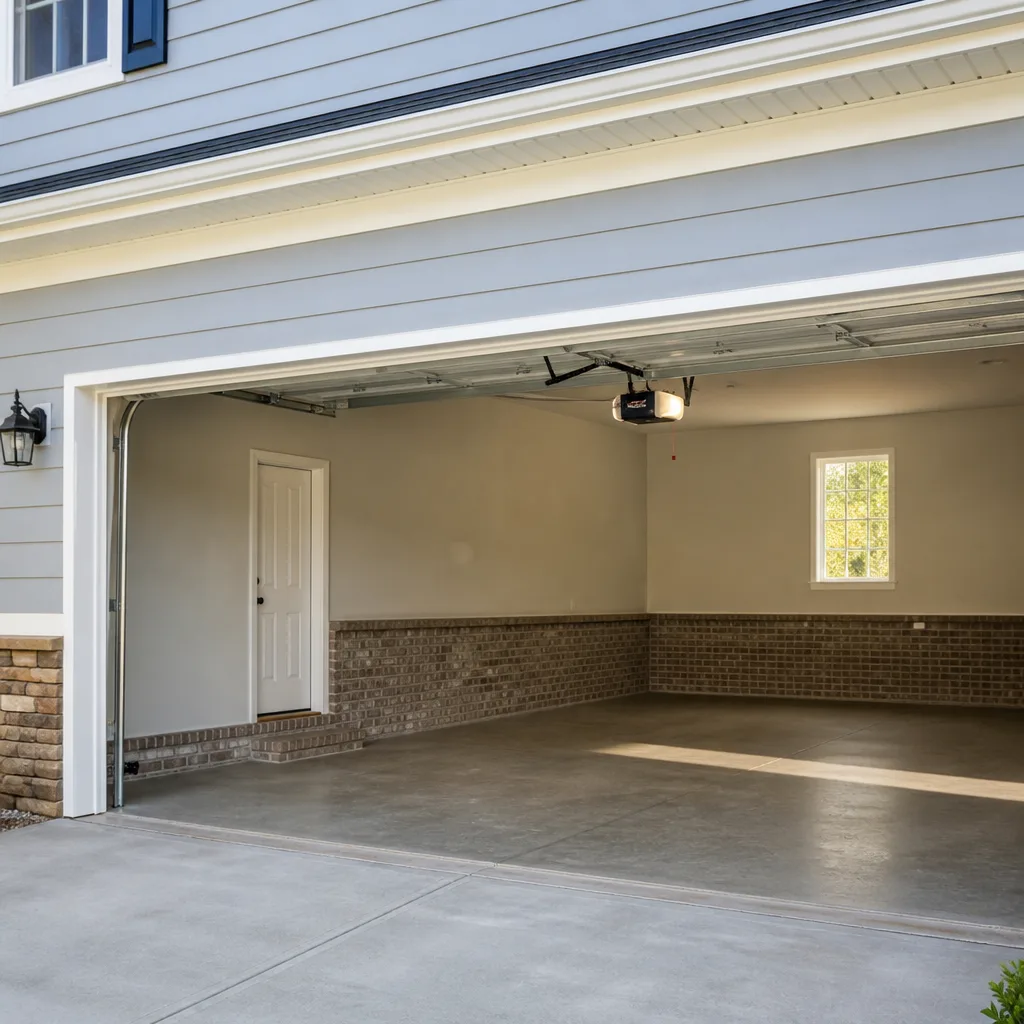 LiftMaster openers
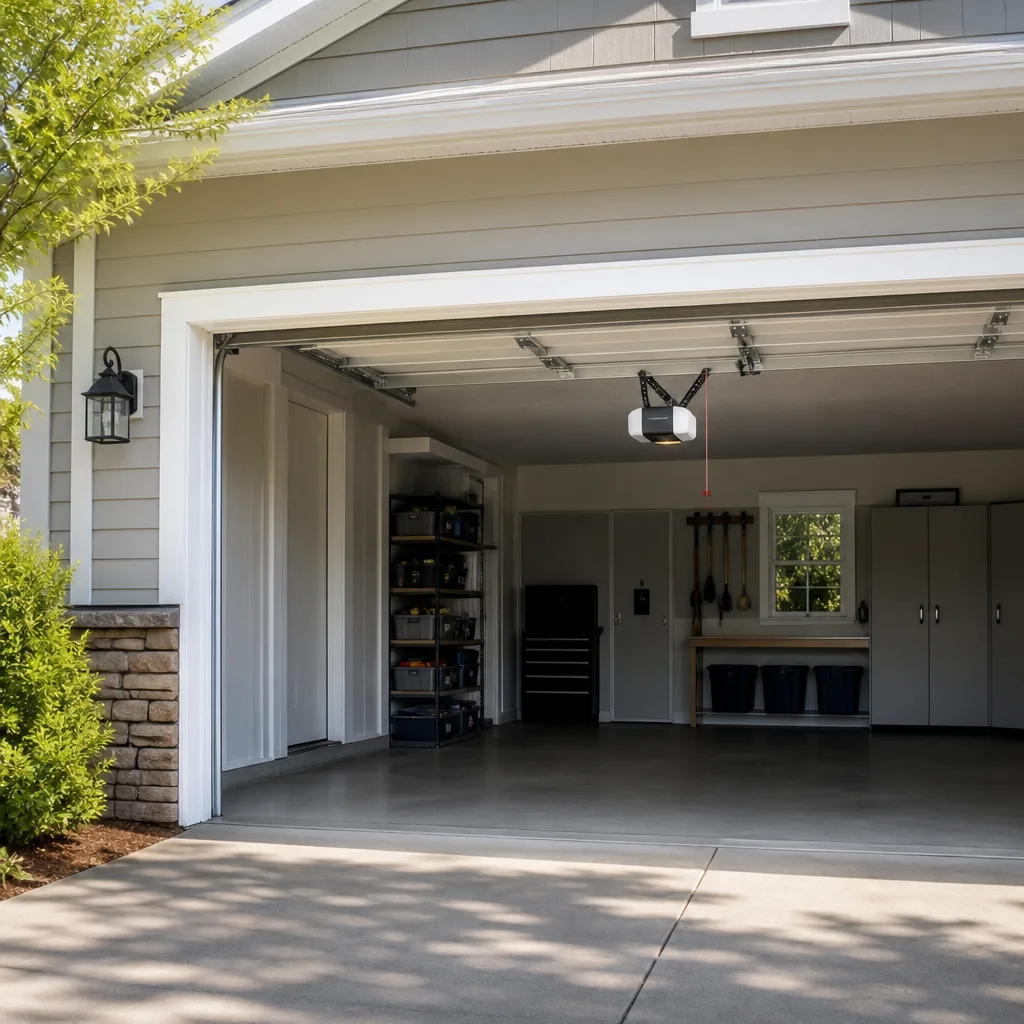 Chamberlain openers
Full 25-point door and opener safety check with every visit - springs, cables, rollers, tracks, and your LiftMaster or Chamberlain opener included
You get a price before we start. It does not change when the truck arrives.
Get your free estimateGarage Door Emergency Preparedness Guide for Jacksonville Homes
FEMA damage assessments following Florida hurricanes have identified a pattern that surprises most Jacksonville homeowners: the garage door is the single most common point of structural failure in residential homes. It’s not the windows. It’s not the roof shingles. It’s the largest moving object on your house giving way under wind pressure and allowing the storm inside. This guide covers what Jacksonville residents need to know before the next named storm enters the Atlantic, from wind-load ratings to bracing kits to the manual release mistakes that leave doors stuck open at the worst possible moment. For Garage Door Repair Troubleshooting: Common Problems and How to Fix Them, see our dedicated guide.
Styles & brands we work with
Quick Answer
Garage door emergency preparedness in Jacksonville means three things: verifying your door’s wind-load rating before storm season, installing a hurricane bracing kit if the door isn’t rated for our wind zone, and knowing exactly how to operate your door manually when the power fails. Most Jacksonville homes have doors that were never checked for wind resistance, and the fix is usually less expensive than the roof damage a failed door causes.
Table of Contents
- Understanding Wind-Load Ratings for Jacksonville’s Wind Zone
- How to Verify Your Current Door’s Wind-Load Rating
- Hurricane Bracing Kits: Compatibility, Installation, and Honest Limitations
- Manual Release Protocol: What to Do When the Power Goes Out
- Pre-Storm Inspection Checklist for Jacksonville Homes
- Post-Storm Inspection: What to Check Before You Use the Door Again
- The Emergency Service Reality After a Named Storm
- Common Mistakes to Avoid
- When to Call a Professional
- Frequently Asked Questions
- The Bottom Line
At Heritage Garage Door Service home, we’ve spent years working on doors across Jacksonville’s older neighborhoods and newer developments, and the wind-resistance gap between homes built before and after Florida’s 2002 building code update is staggering. This guide is what we tell our neighbors when they ask how to prepare.
Understanding Wind-Load Ratings for Jacksonville’s Wind Zone
Jacksonville sits in a unique position on Florida’s wind map. We’re far enough north that we don’t face the same sustained Category 5 winds as Miami, but close enough to the Atlantic that a Category 2 or 3 storm can still push 120 to 130 mph gusts across the St. Johns River and into neighborhoods like San Marco, Riverside, and Arlington. The Florida Building Code designates Jacksonville as a wind-borne debris region with design wind speeds that vary by exact location, but most of Duval County falls in the 120 to 140 mph range for risk assessment. For details on local requirements, read our guide to Garage Door Permits, Codes & Inspections in FL: What You Need to Know.
A garage door’s wind-load rating tells you the maximum wind pressure it’s engineered to withstand before the panels deflect, the tracks twist, or the door pulls away from the wall. Ratings are expressed in pounds per square foot (psf) or as a design pressure (DP) number. For Jacksonville homes, a door should carry a minimum rating that matches the building code for your specific wind zone, typically in the DP 50 to DP 60 range for inland areas and higher near the beaches.
The problem in Jacksonville is that thousands of homes predate the 2002 Florida Building Code. Doors installed in the 1980s and 1990s were often built to a national standard that didn’t account for hurricane-force winds. A door from that era might be perfectly functional for daily use but could be the weakest point on your home’s envelope when wind speeds climb past 90 mph.
We’ve seen this play out in neighborhoods like Mandarin and Orange Park after storms. The houses that lose roofs are often the ones where the garage door failed first. Once the door gives way, wind rushes into the garage, pressurizes the interior, and blows the roof deck off from underneath. It’s a chain reaction that starts with one simple component.
How to Verify Your Current Door’s Wind-Load Rating
Start by looking for a sticker or metal plate on the inside of your garage door, usually on one of the end stiles or the bottom panel. Manufacturers like Clopay, Amarr, Wayne Dalton, and Raynor print wind-load information on these labels for doors manufactured after 2002. The sticker will show a design pressure rating or a wind speed rating, often alongside the door’s model number and manufacturing date.
What if you can’t find a sticker? This is more common than you’d think, especially on painted or older doors. Here’s the step-by-step process we recommend to Jacksonville homeowners:
- Check the end stiles first. Open the door halfway and look at the vertical metal rails on each side of the door. The sticker is usually on the left stile, about eye level. On LiftMaster and Chamberlain opener systems, the opener’s sticker is on the motor unit, but the door’s rating is separate.
- Look at the bottom panel’s interior face. Some manufacturers place the label there. Use a flashlight; it’s often faded after years of sunlight reflected off the driveway.
- Check the track brackets. Occasionally, installers attach a supplemental wind-load tag near the track mounting hardware.
- If there’s no sticker anywhere, photograph the door’s construction. Look at the panel thickness, the number of reinforcement struts (the horizontal metal bars across the interior of each panel), and the gauge of the track. Send these photos to a professional who can identify the door model and look up its original rating.
- If you can’t identify the door at all, treat it as unrated. This is the safe assumption for any door that’s more than 20 years old or has no visible manufacturer markings. An unrated door is a candidate for replacement or retrofitting before storm season.
Homeowners in newer Jacksonville developments like Bartram Park and Nocatee usually have doors with labels intact. It’s the mid-century homes in neighborhoods like Lakewood and Murray Hill where documentation tends to have vanished. If you’re in one of those areas and your door has been repainted multiple times, plan on spending ten minutes with a flashlight before you give up.
Hurricane Bracing Kits: Compatibility, Installation, and Honest Limitations
If your door isn’t wind-rated for Jacksonville’s risk zone, a hurricane bracing kit is the most practical retrofit option for many homes. These kits consist of vertical aluminum or steel posts that install behind the door and anchor into the floor and header, transferring wind load from the door panels to the structure of the house. When properly installed, they can bring an otherwise unrated door up to code-level wind resistance.
Compatibility is where most manufacturers’ marketing gets ahead of reality. A bracing kit isn’t universal. The posts need to align with your door’s specific width, and the header above your garage door needs enough structural integrity to anchor the top brackets. Homes with shallow headers, common in some 1970s Jacksonville construction, may need header reinforcement before a bracing kit can be installed. Homes with low ceilings in the garage may not have room for the posts to be stored vertically when not in use.
Here’s what most bracing kit literature doesn’t advertise prominently:
- Installation time is real labor. A two-car garage door typically takes 30 to 45 minutes to brace, and the posts weigh enough that most homeowners want a second person helping. You’ll be doing this every time a storm approaches.
- Storage is a consideration. The posts are six to eight feet long and need somewhere to live when they’re not installed. A garage wall rack or ceiling hooks solve this, but it’s not something every Jacksonville garage has room for.
- The door must be closed and locked before bracing. If you brace a door that isn’t fully seated against the floor, the posts do almost nothing. The locking mechanism matters too; a simple twist-lock handle isn’t as secure as a slide bolt through the track.
- Bracing kits don’t fix worn tracks or rusted hardware. If your door’s existing hardware is in poor condition, the bracing anchors may be the only thing holding during a storm. Pre-existing damage needs repair before the kit is the right answer.
We’ve installed and serviced bracing systems on doors from Craftsman-era homes in Riverside to newer construction in St. Johns County, and the honest assessment is this: a bracing kit is a legitimate solution for doors that are otherwise in good shape. It is not a band-aid for a door that needs replacement. If your door is 25 years old, rusted, and the panels are sagging, a bracing kit delays the inevitable rather than preventing it. A Garage Door Installation in Jacksonville with a wind-rated door is the more durable fix.
Manual Release Protocol: What to Do When the Power Goes Out
Every garage door opener in Jacksonville, whether it’s a LiftMaster, Chamberlain, Genie, or Craftsman, has a manual release mechanism: a red cord hanging from the opener rail that disconnects the door from the drive mechanism, allowing you to lift the door by hand. Knowing how to use it correctly before the power goes out is the difference between a door that’s securely closed and a door that’s stuck open in the middle of a storm.
Here’s the correct protocol, in order:
- Close the door first, if power is still on. If you know a storm is coming and you may lose power, close the garage door while the opener still works. Once power is out, the door stays wherever it is until you operate it manually.
- If the door is already open when power fails, pull the red release cord straight down once. This disengages the door from the opener carriage. You’ll hear a click. The door is now in manual mode and can be pulled down by hand.
- Pull the door down using the handles or the rail, never the top edge between panels. This is where fingers get pinched. Use the lowest panel’s edges or the center handle if your door has one.
- Once closed, lock the door manually. The opener’s motor doesn’t lock anything; it just holds position through gear resistance. With the opener disengaged, the door is unlocked. Slide the manual lock bolt through the track if your door has one. If it doesn’t, use a clamp or vice grip on the track just above a roller to prevent the door from being lifted from outside.
- Do NOT re-engage the opener until power is restored and the door is in the closed position. The most common mistake we see is homeowners pulling the release cord, opening and closing the door manually, then hitting the wall button when power returns. If the door isn’t perfectly in the closed position, the opener carriage runs along the rail, re-engages at the wrong point, and yanks the door off its track.
The mistake that results in a door stuck open during a storm usually happens in step 1 or step 3. Homeowners either wait too long and lose power with the door open, or they pull the release cord while the door is open, then can’t figure out how to bring it down against the wind pressure. The door is heavy; a 16-foot double door can weigh over 200 pounds. If you’re in a Jacksonville neighborhood like Neptune Beach or Mayport with direct exposure to storm winds, trying to pull a door down in 60 mph gusts is genuinely dangerous. Close it before the storm arrives.
Pre-Storm Inspection Checklist for Jacksonville Homes
Jacksonville’s storm season runs from June through November, with the highest risk window from late August through early October. The week before a named storm enters the picture is the time to run through this Garage Door Repair Maintenance Checklist for Jacksonville Homeowners. These are the items we check on our own garage doors every year, and the things we find when we service doors before an approaching storm.
- Operate the door through a full cycle and listen. Grinding, popping, or uneven movement indicates worn rollers, loose hardware, or a door that’s lost its balance. A door that struggles on a calm day will be a liability in wind.
- Test the auto-reverse safety feature. Place a 2×4 or rolled towel in the door’s path and close it. The door should reverse within two seconds of contact. If it doesn’t, the sensors or the force settings need adjustment.
- Inspect every spring and cable visually. Torsion springs should be free of visible gaps, rust, or separation. Extension springs should have safety cables running through them. Cables should be snug on the drums with no fraying. Do not attempt to adjust springs yourself; this is the one component where DIY repair causes the most injuries every year.
- Check all track bolts and bracket screws. Use a socket wrench and tighten anything loose. The track should be solid; any movement under hand pressure is a problem that will amplify under wind load.
- Verify the door seals along the bottom and sides. Jacksonville’s storm surge and heavy rain push water through gaps. The bottom seal should be pliable and make full contact with the floor. Side seals should be intact.
- Clear the garage of loose projectiles. Lawn chairs, ladders, and garden tools become airborne missiles in high winds. Store them against an interior wall or bring them inside the house.
- Locate your manual release cord and confirm you can reach it. You don’t want to be hunting for it in the dark with a flashlight and a dying phone.
- Test your opener’s battery backup if you have one. LiftMaster and Chamberlain make openers with integrated battery backup. Unplug the opener and try to operate the door. If it doesn’t move, the battery is dead and needs replacement before the storm.
If you find anything concerning during this checklist, especially with springs, cables, or track hardware, don’t wait. A Garage Door Repair in Jacksonville call before a storm is simple and quick compared to the same call after a storm, when every provider in Duval County is running on a waitlist.
Post-Storm Inspection: What to Check Before You Use the Door Again
After the storm passes and power comes back, the temptation is to hit the opener button and assume everything’s fine. That’s how minor storm damage turns into a major repair bill. Here’s the post-storm inspection sequence we recommend for every Jacksonville home:
- Inspect the exterior door surface first. Walk around to the driveway side and look for dents, punctures, or panels that are pushed in. Wind-driven debris in Jacksonville storms can be anything from palm fronds to roof tiles from a neighbor’s house. A dented panel may still open, but it’s lost structural integrity for the next storm.
- Check the track alignment from inside. Stand in the garage and look down the track from the opener toward the floor on each side. The track should be a straight line. Any bowing, twisting, or gaps between the track and the wall indicate the door took a lateral hit and pulled the track.
- Disengage the opener and lift the door manually to the halfway point, then let go. A balanced door stays at the halfway point. If the door drops, the spring tension has changed and the door may slam shut on the next cycle. If the door rises, the springs are over-tensioned. This is a spring issue that needs professional attention because the spring holds the weight of the door and the tension is lethal if mishandled.
- Look for water intrusion around the door perimeter. Jacksonville’s post-storm humidity and standing water reveal seal failures quickly. Check for water stains on the garage floor near the door, damp insulation, or swollen panel edges.
- Operate the door through a full cycle with the opener re-engaged, watching and listening the entire time. Any hesitation, scraping, or jerky movement means something moved during the storm. Stop and investigate before running the door several times.
If the door won’t open at all after the storm, check the obvious first: the opener is plugged in, the breaker hasn’t tripped, and the manual release hasn’t been pulled accidentally. If those are all fine and the door still won’t move, the issue is likely mechanical and you’ll need a professional. A post-storm Garage Door Opener Repair in Jacksonville visit is exactly the kind of scenario where our multi-brand experience matters because the problem could be in the motor, the logic board, the safety sensors, or the door itself, and the right diagnosis determines whether you need a component repair or a full replacement.
The Emergency Service Reality After a Named Storm in Jacksonville
Here’s what actually happens after a hurricane or tropical storm passes through Jacksonville. Every garage door company in northeast Florida is inundated with calls within hours. Doors are stuck open. Doors are stuck closed. Openers are fried from power surges. Springs have snapped from the door being forced against debris. The phone lines light up and the waitlist grows by the hour.
After a significant storm event, wait times for garage door service in the Jacksonville metro area typically stretch to three to seven days, and that’s for the companies that even answer their phones. National dispatch services route calls to call centers in other states, and the technician who eventually shows up may be from as far away as Orlando or Savannah. They’re competent, but they’ve never seen your door before and they’re working through a backlog of dozens of calls.
This is why a pre-season relationship with a local company matters. When we’ve serviced a door before storm season, we know what’s on it, what condition the hardware is in, and whether the springs are nearing the end of their cycle life. A homeowner who called us in June for an inspection and a minor adjustment gets a different conversation in October than a homeowner we’ve never met. We can often resolve post-storm issues over the phone for existing customers because we know their setup. New callers go on the list.
We’ve watched this dynamic play out in neighborhoods across Jacksonville, from Avondale to San Marco to the Beaches, and the pattern holds every storm season. The homes that prepared are the homes that recovered quickly. The homes that waited are the homes that waited a week with a tarp over the garage opening.
One more reality worth stating plainly: prices for emergency garage door service after a named storm are higher across the industry, usually by 20 to 40 percent depending on the provider. It’s supply and demand. The same repair that costs $200 in March can cost $300 the week after a storm. Pre-season inspection and repair is the financially responsible move, and it’s the move that keeps your house protected when it matters most.
Common Mistakes to Avoid
- Waiting until a storm is in the forecast to think about the garage door. By the time a named storm is tracking toward Jacksonville, every service company in the region is booked. Pre-season inspection in May or June is the only reliable window.
- Assuming a newer home automatically has a wind-rated door. Florida building codes have improved dramatically, but not every builder chose a door that exceeds the minimum. Check the label on your door even if your house was built in the last decade.
- Pulling the manual release cord while the door is open during a power outage. The door becomes a 200-pound dead weight that you now have to lower by hand, often against wind pressure. Close the door before the power goes out, or before you touch the release cord.
- Re-engaging the opener without making sure the door is in the correct position. This causes the opener carriage to slam into the door or pull it off track when power returns. It’s the most common post-storm opener failure we see.
- Attempting DIY spring repair after a storm. Torsion springs under tension store enough energy to cause severe injury or death. Even with tools and tutorials, this is the one repair that should never be attempted without professional training.
- Ignoring a door that “sounds a little off” before the storm. A squeak, a rattle, or a slow response is a warning sign. In Jacksonville’s storm season, that warning sign is a countdown.
- Bracing a door that has pre-existing hardware damage. A bracing kit anchors to the track and header; if the track is loose or the springs are worn, the kit can’t compensate. Repair first, brace second.
When to Call a Professional
Some garage door preparation tasks are DIY-friendly: tightening visible bolts, clearing the tracks of debris, testing the auto-reverse. Others require a trained professional with the right tools and experience. If your door is sagging, if the springs show visible wear, if the door won’t balance at the halfway point, or if you’ve noticed any damage to the tracks, call someone who does this work daily. The same goes for opener issues: a LiftMaster, Chamberlain, Genie, or Craftsman opener that’s making new noises or failing intermittently needs diagnosis before a storm, not after. Heritage Garage Door Service offers free estimates in Jacksonville. Call (833) 711-2679 and we’ll tell you what your door needs and what it doesn’t.
Frequently Asked Questions
Hurricane bracing kits for a standard two-car garage door in Jacksonville typically run $250 to $500 for the kit itself, with professional installation adding another $200 to $500 depending on your door’s condition and whether header reinforcement is needed. Total cost usually lands in the $500 to $1,000 range. It’s a meaningful investment, but it’s dramatically less than the cost of roof replacement after a door failure lets the storm inside. Call (833) 711-2679 for a free estimate on your specific setup.
Physically, many homeowners can install a bracing kit with basic tools and a helper, but the anchor points must be placed precisely or the kit’s rated wind resistance drops significantly. The header anchor placement is the part that matters most, and it’s the part that’s easiest to get wrong. If you’re comfortable reading installation specs and drilling into concrete, it’s doable. If not, professional installation ensures the kit actually performs at its rated capacity when the wind hits.
A standard non-rated garage door, the kind installed on most homes built before 2002, typically fails at wind pressures equivalent to 90 to 110 mph gusts, sometimes lower depending on the door’s condition and age. A wind-rated door built to Florida Building Code standards for Jacksonville is engineered for 120 to 140 mph depending on the specific DP rating. The difference between those two numbers is the difference between a house that survives a storm and a house that loses its roof.
Most LiftMaster and Chamberlain openers with battery backup have a beeping sound when the battery is low and a battery indicator light on the wall control panel. You can also check the opener unit itself; battery backup models have a battery housing attached to the motor unit, usually a rectangular box about the size of a brick. Genie and Craftsman battery backup models have similar external battery boxes. If your opener doesn’t have a visible battery housing, it doesn’t have backup power. Consider whether that’s acceptable before the next storm season.
Closed, locked, and ideally braced. A garage door left open during a hurricane is an open invitation for wind to enter, pressurize the garage, and lift the roof from underneath. If the opener is disengaged, lock the door manually with a slide bolt through the track or a clamp above a roller. An open garage door during a Jacksonville hurricane is one of the most preventable causes of major structural damage.
Yes. Inland Jacksonville neighborhoods like Murray Hill, Lakewood, and Arlington are less exposed than beach communities like Atlantic Beach or Jacksonville Beach, but they’re still in a wind zone that can see 100+ mph gusts from a strong storm. The wind loads at six miles inland are only slightly lower than at the coast. A wind-rated door or a bracing kit is appropriate for every Jacksonville home, not just the ones near the ocean.
The Bottom Line
Jacksonville’s storm season is a recurring fact of life, and the garage door is the most overlooked component of storm preparation. The good news is that the fixes are straightforward: find your door’s wind rating, brace it if needed, learn the manual release protocol, and run through the pre-storm checklist every May or June. Explore more guides & resources on our blog to stay prepared year-round. The cost of preparation is a fraction of the cost of the damage that follows a breached door. The time to act is before the next storm is named, not after.
Written by the team at Heritage Garage Door Service, serving Jacksonville since 2018.
See the difference
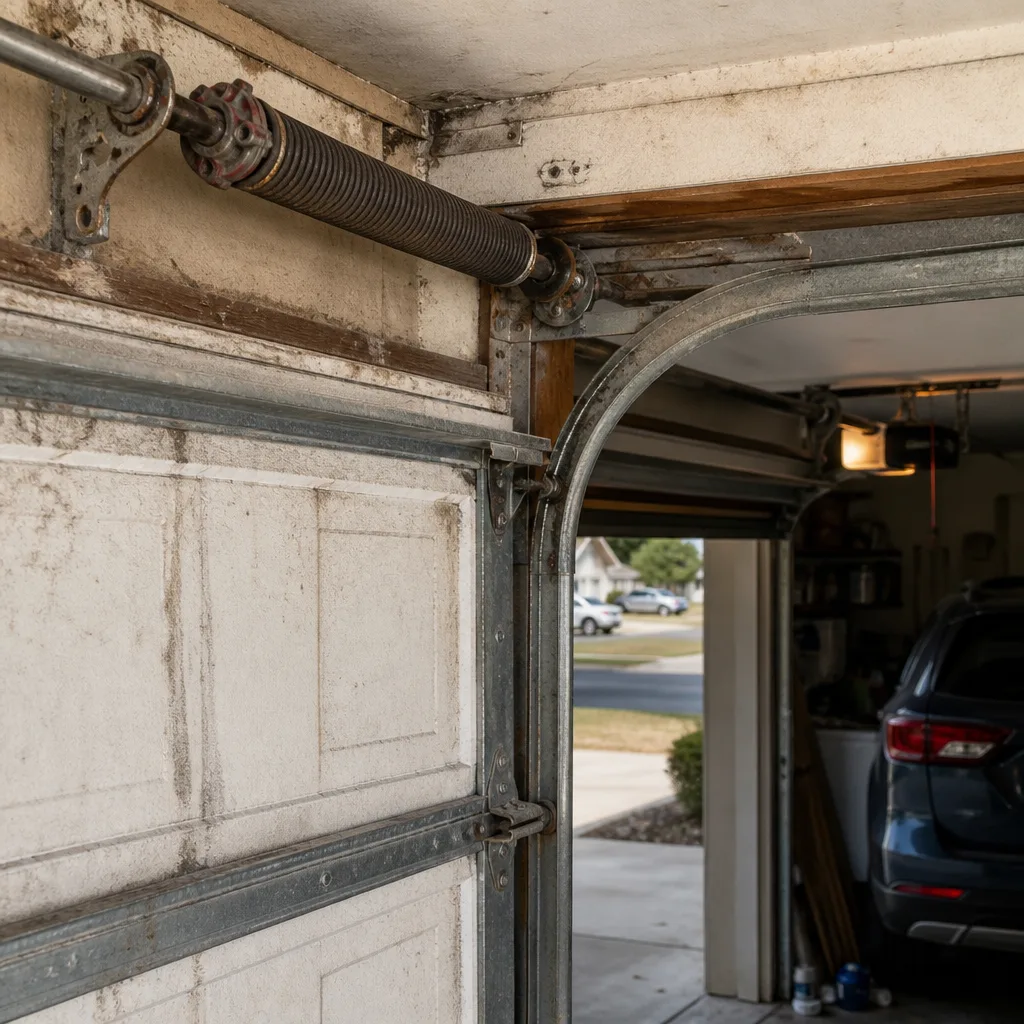 Before
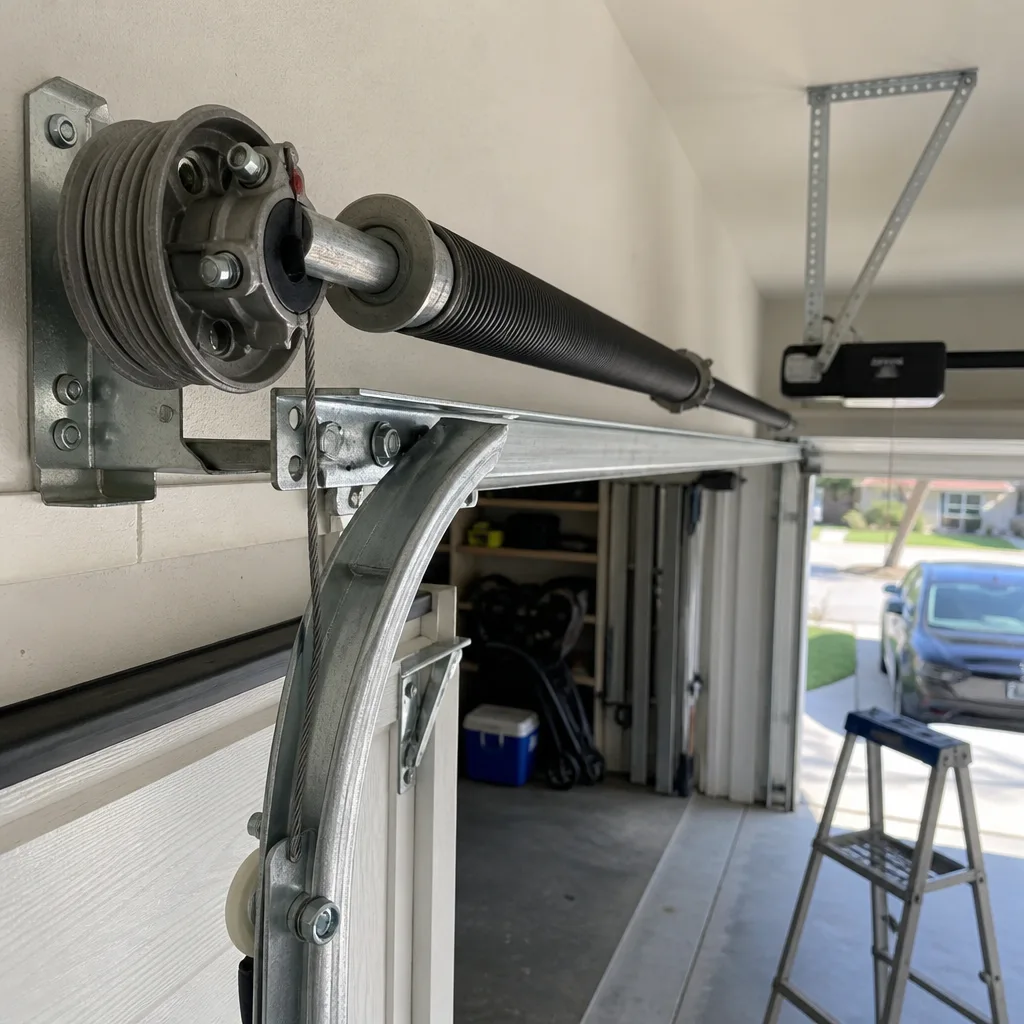 After
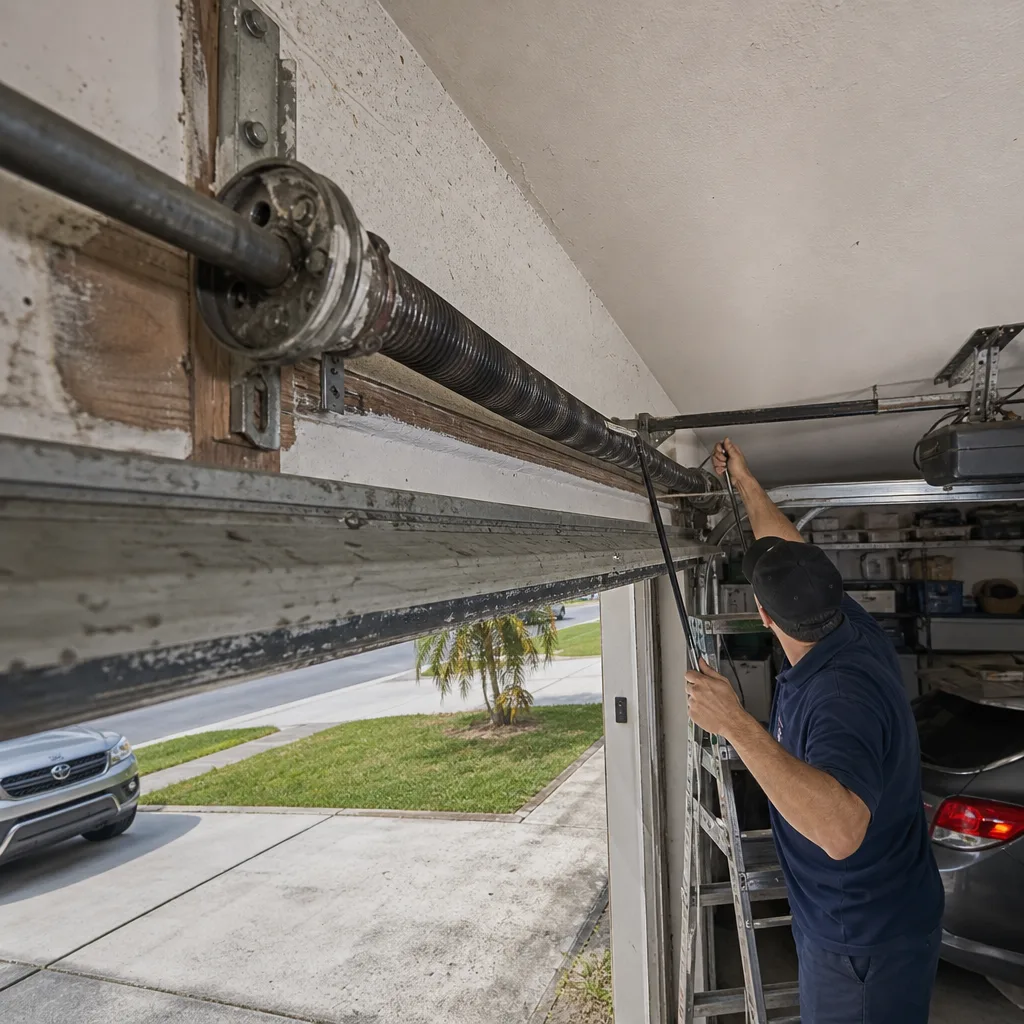 Before
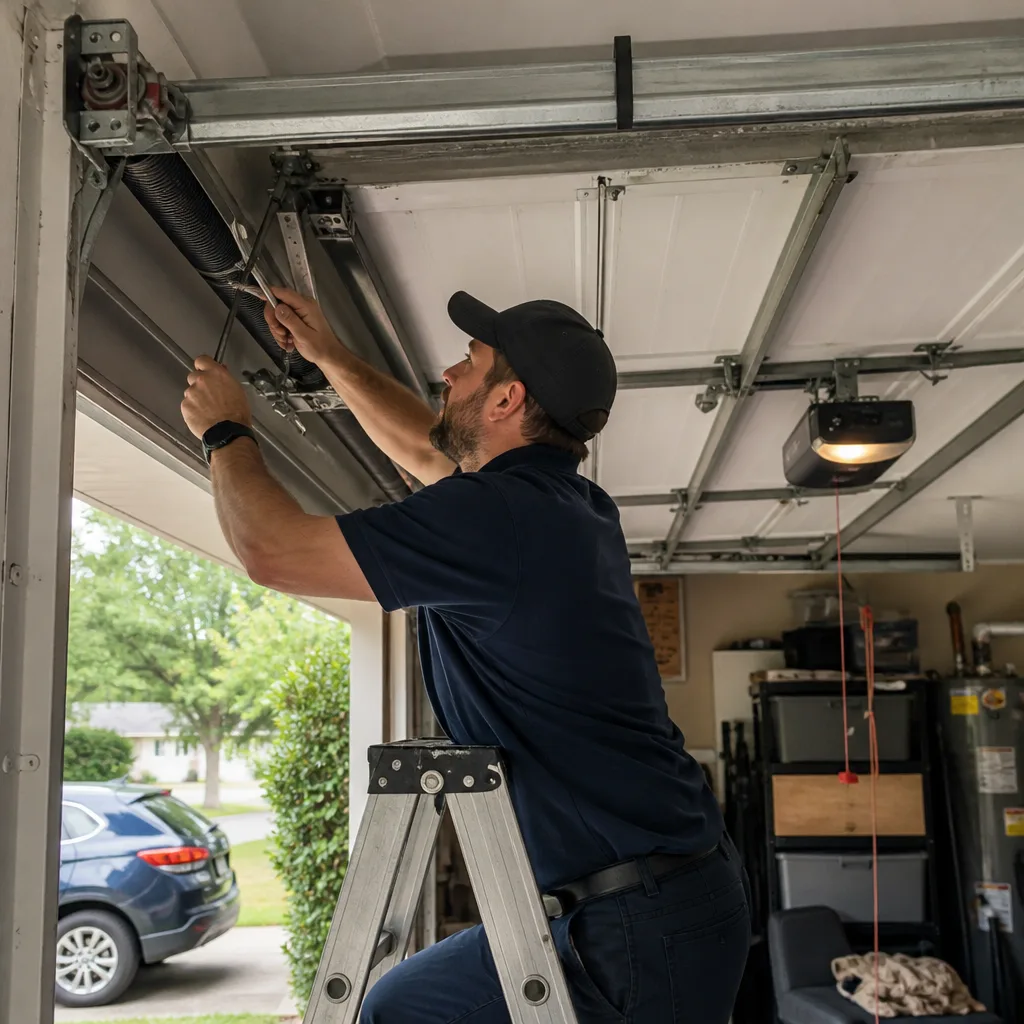 After
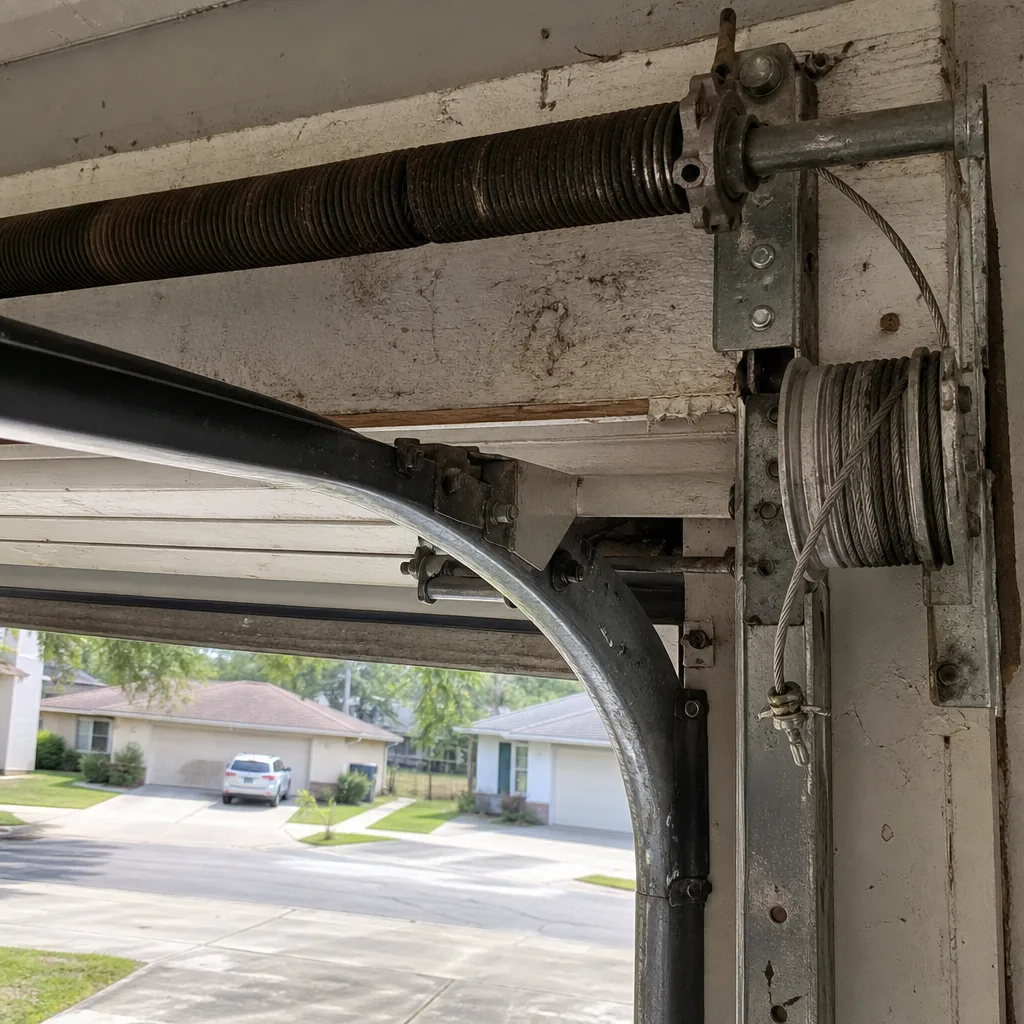 Before
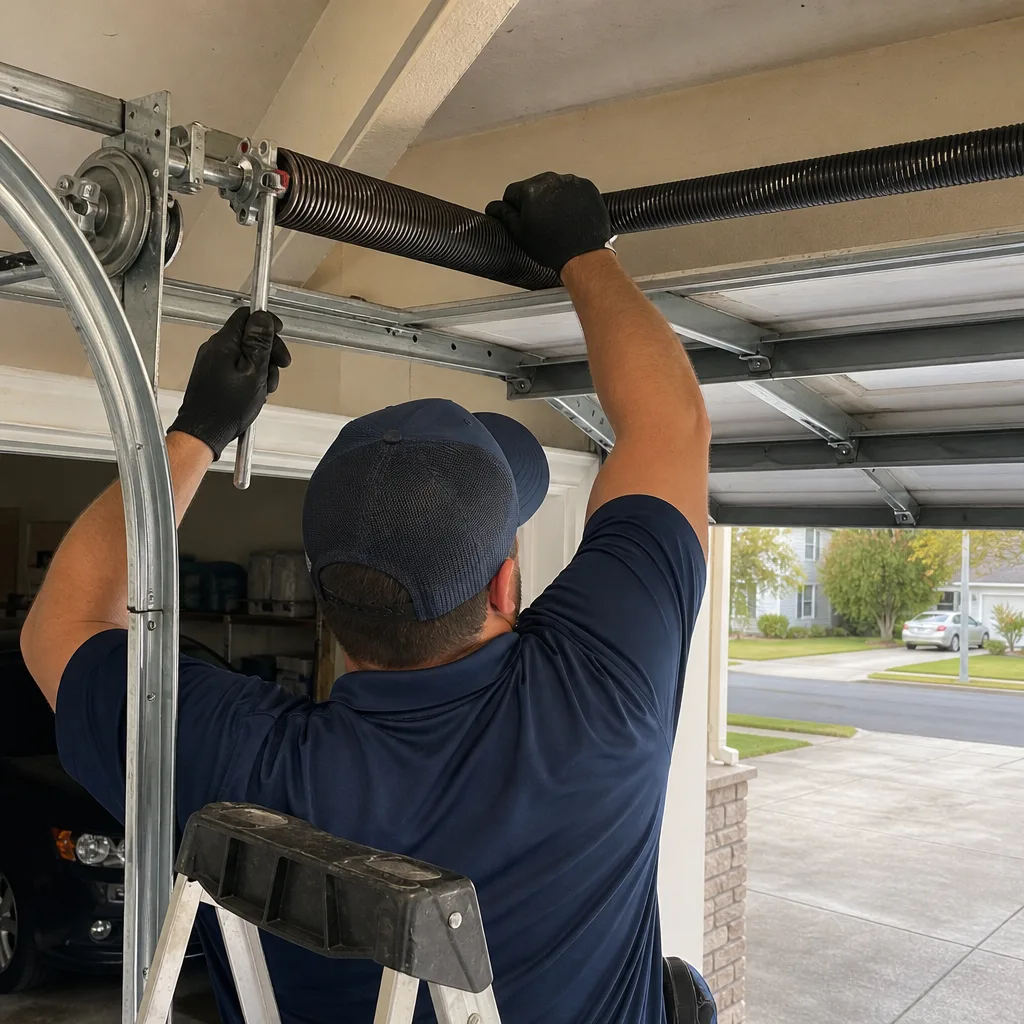 After