
Last updated October 30, 2026
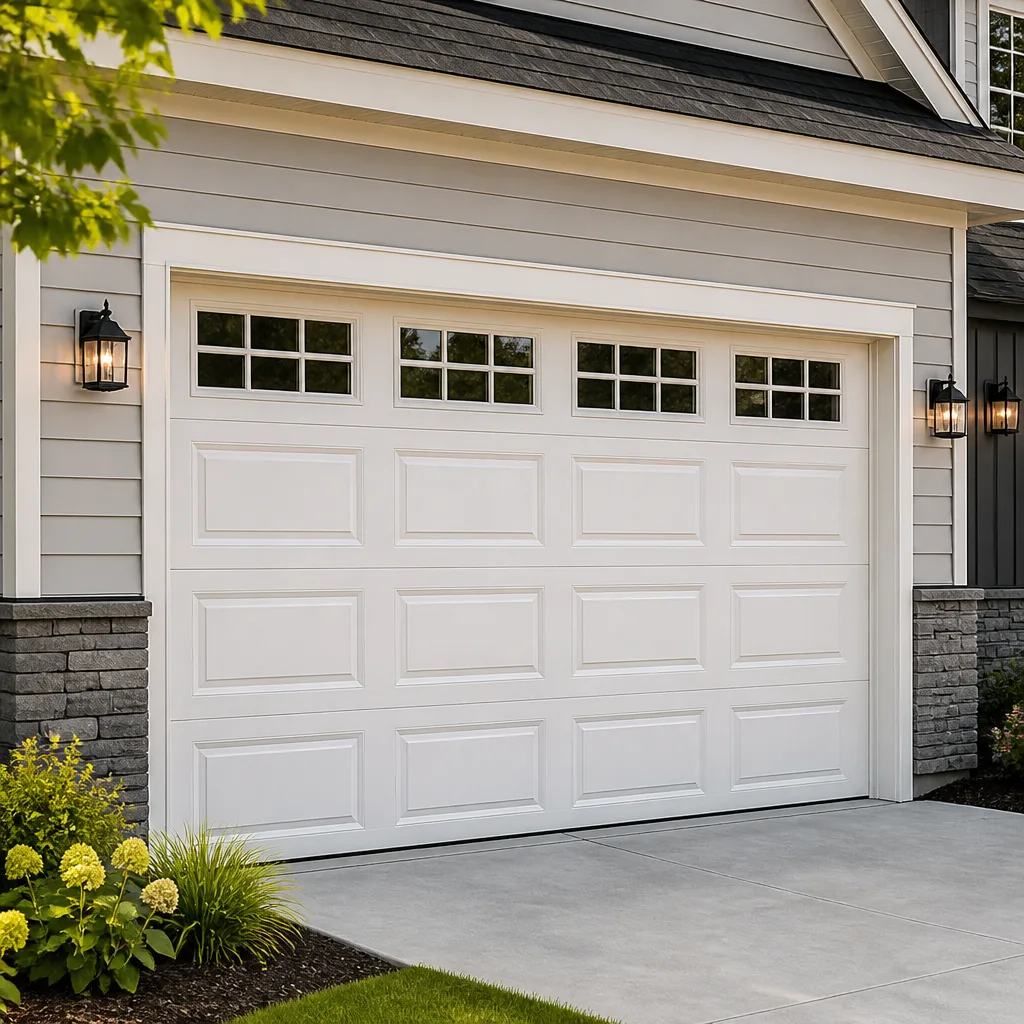 Raised-panel steel
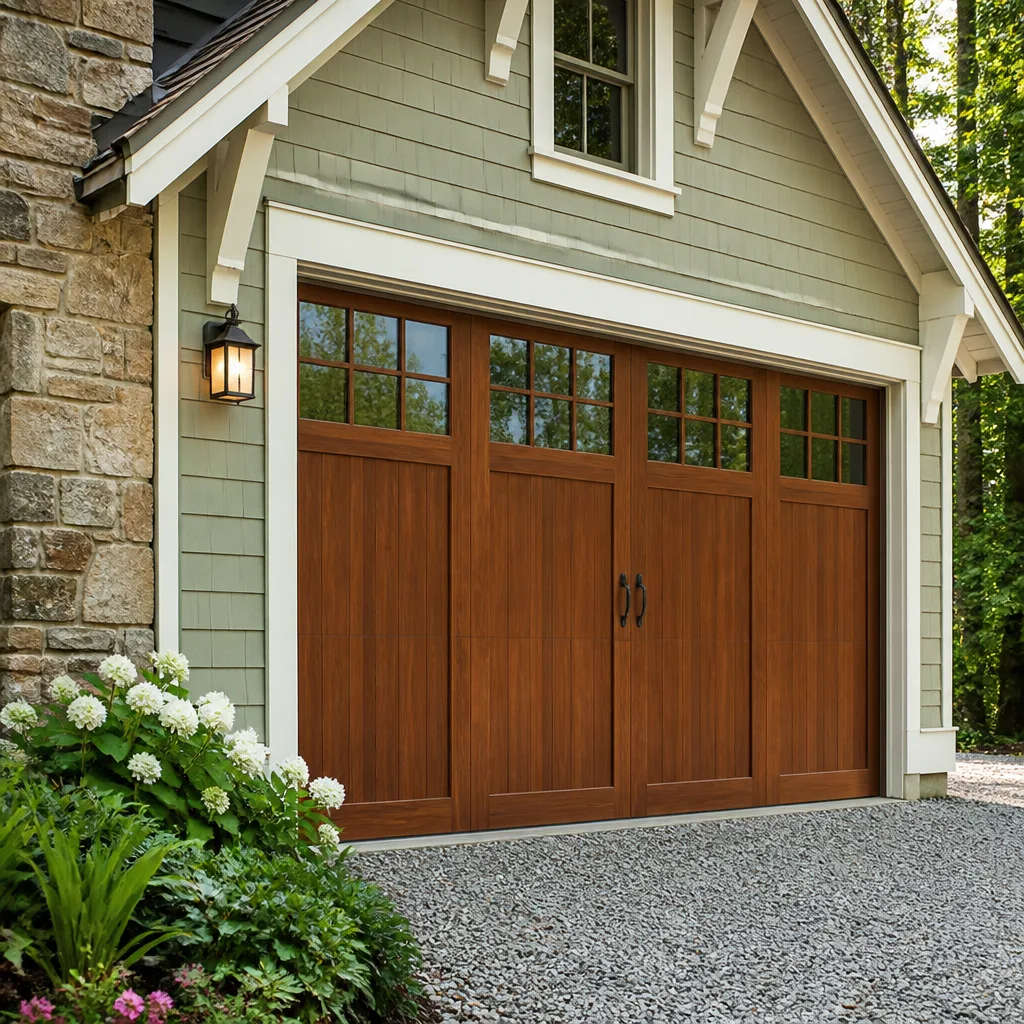 Carriage house
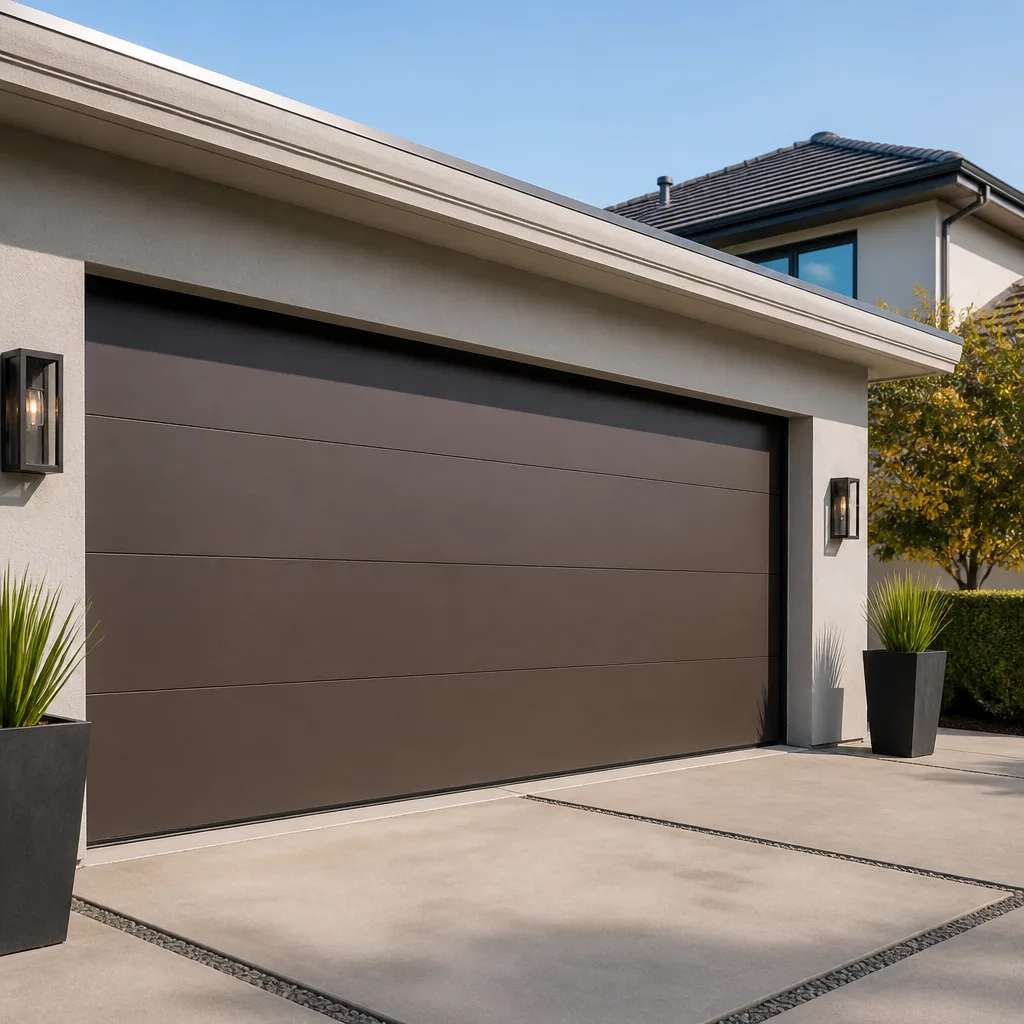 Modern flush
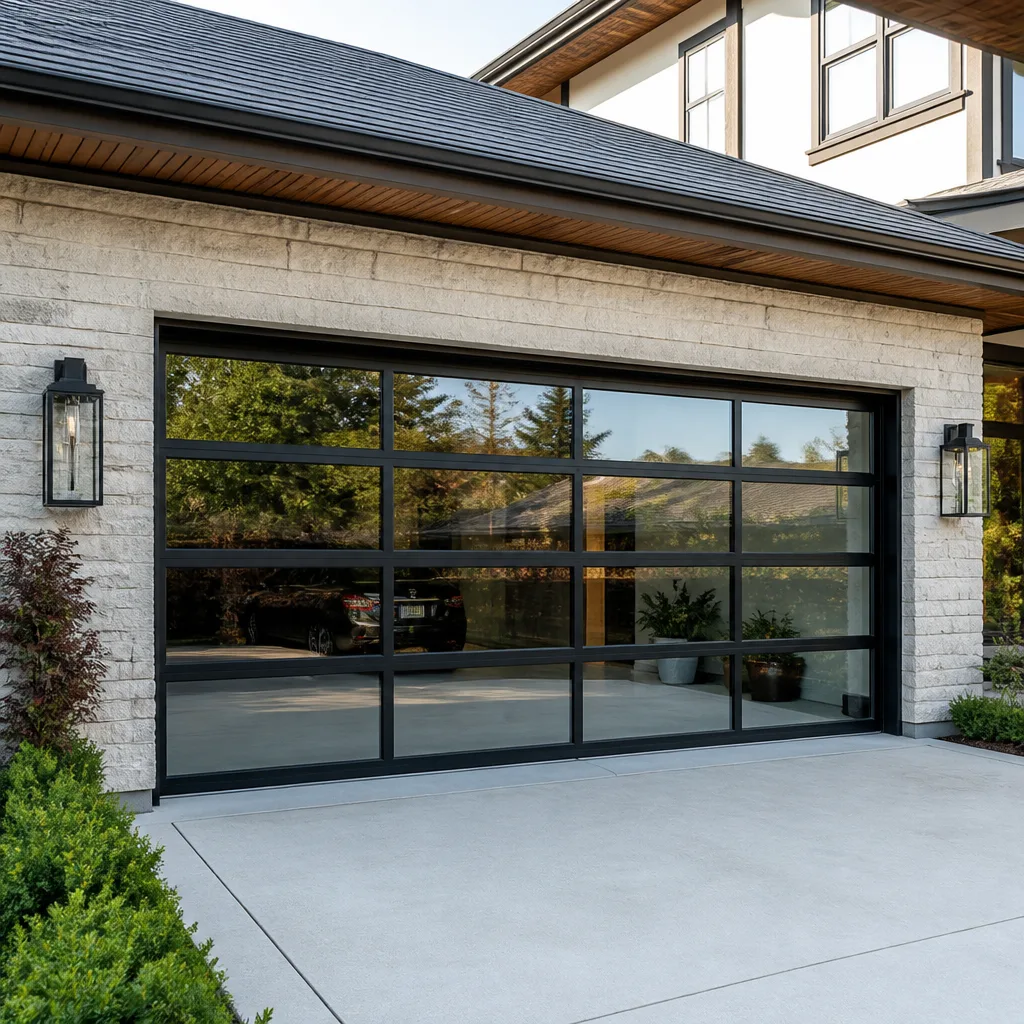 Full-view glass
 LiftMaster openers
 Chamberlain openers
Full 25-point door and opener safety check with every visit - springs, cables, rollers, tracks, and your LiftMaster or Chamberlain opener included
You get a price before we start. It does not change when the truck arrives.
Get your free estimateThe Complete Garage Door Repair Guide for Jacksonville Homeowners
Jacksonville’s average relative humidity sits above 75% for more than half the year. That single number explains more garage door failures in this city than any other factor. Salt air from the Atlantic and the St. Johns River, combined with summer temperatures that routinely push past 95 degrees, creates a repair environment unlike anything you’ll find in Atlanta, Charlotte, or even Orlando. Most national garage door guides are written for dry, temperate climates. This one is written for Jacksonville, where the air itself works against your door’s hardware every single day. You’ll learn why Jacksonville doors fail the way they do, which repairs are worth doing, which parts deserve an upgrade rather than a like-for-like replacement, and how to handle insurance claims when a coastal storm damages your door. For hands-on help, explore our Garage Door Repair services.
Quick Answer
Garage door repair in Jacksonville typically costs between $125 and $450 depending on the part, with spring replacement running $180 to $340 and opener repair falling between $100 and $300. The most common Jacksonville failures are rusted torsion springs, corroded hinges, and warped bottom seals, all driven by coastal humidity and salt exposure. A door that’s binding, groaning, or sitting crooked usually needs professional attention, and in this climate, it almost always makes sense to replace rust-prone hardware with corrosion-resistant versions rather than installing the same part twice.
Styles & brands we work with
Table of Contents
- Why Jacksonville’s Climate Destroys Garage Doors Faster
- The Components That Fail First in Coastal Florida
- Garage Door Springs: The Jacksonville Reality Check
- Jacksonville’s Seasonal Garage Door Maintenance Calendar
- Riverside, Avondale, San Marco vs. St. Johns County: How Your Neighborhood Affects Your Door
- Repair or Replace: The Jacksonville Cost-Benefit Equation
- Documenting Storm Damage for Florida Homeowner’s Insurance Claims
Why Jacksonville’s Climate Destroys Garage Doors Faster
We’ve replaced more garage door springs in Jacksonville than we can count, and the pattern is unmistakable: a spring that would last 10 years in Tennessee gives out in 6 or 7 here. The reason is simple chemistry. Jacksonville’s humidity keeps metal surfaces damp for days at a time, and the salt carried in from beaches like Atlantic Beach, Neptune Beach, and Mayport accelerates oxidation. That rust doesn’t just look bad. It files away at the spring coil’s surface, creating microscopic stress points that eventually snap under tension. The same process attacks hinges, rollers, and track brackets. Homeowners in neighborhoods closer to the water, like Jacksonville Beach, Atlantic Beach, and anything east of the Intracoastal, see this corrosion first. But the salt air travels further than most people realize. We’ve pulled badly corroded hardware off doors in Mandarin, Arlington, and even Orange Park, miles from the ocean. The St. Johns River contributes its own brackish moisture. If your garage sits within a few miles of any significant water body in Duval County, you’re in the corrosion zone.
What does this mean practically? First, you’ll notice rust streaks forming at hinge points and along the bottom of the track within 3 to 5 years of installation, even on quality doors. Second, your springs will simply not last as long as the manufacturer’s stated life span. Third, that garage door bottom seal, the rubber strip along the floor, will harden and crack faster here because the heat cycles from Jacksonville’s summer afternoons bake the rubber while nighttime humidity keeps it pliable just long enough to degrade the polymer structure. You’ll know it’s time to replace the seal when you can see daylight under the door or when the garage starts smelling musty after summer rains.
For most Jacksonville homeowners, the answer is a shift in strategy. Instead of replacing parts only when they fail, consider replacing rust-prone components with corrosion-resistant upgrades the first time they need attention. Galvanized springs last longer than standard ones. Nylon rollers with sealed bearings don’t bind up like steel rollers when rust starts forming. A PVC bottom seal, rather than plain rubber, handles the heat and moisture far better. None of these upgrades cost a fortune, but they extend the service life of your door meaningfully in this climate, and that’s the difference between a repair that holds for 6 months and one that lasts 6 years.
If you’re dealing with a door that’s already struggling, our Garage Door Repair in Jacksonville page walks through the most common symptoms and what they mean.
The Components That Fail First in Coastal Florida
Every garage door is a moving system, and in Jacksonville, some parts of that system work harder and wear out sooner than others. Understanding which components fail first helps you catch problems before they become emergency breakdowns at 6:30 on a Tuesday morning.
Torsion Springs
The spring is the muscle of your door. It carries the door’s full weight every time it opens and closes, and it’s coiled under tremendous tension. In Jacksonville, standard steel torsion springs typically last 6 to 8 years, sometimes less if the garage faces east and catches the morning sun’s heat against a metal door. When a spring breaks, it sounds like a gunshot. Your door will either refuse to open or open only a few inches before the opener’s safety mechanism shuts it down. A broken spring is not a safe DIY fix. The tension involved can cause serious injury, so this is a job for a trained professional every time. What we do recommend is asking for galvanized or powder-coated replacement springs when the time comes. In this climate, they’re simply a better investment.
Hinges and Rollers
Your door has between 10 and 16 hinges, depending on its size, and each one is a rust magnet in Jacksonville. Once a hinge seizes, the panel can’t move smoothly, and that stresses every other component, including the opener motor. You’ll hear grinding or popping sounds when the door moves. Rollers are the same story. Steel rollers rust, then bind, then chew up the track. Nylon rollers with sealed ball bearings cost more upfront but run quietly and handle Jacksonville’s humidity without complaint. If we’re replacing hinges on an older door, we always present the nylon roller option, because for most people, it’s the last roller replacement they’ll ever need on that door.
Bottom Seals and Weatherstripping
The strip of rubber or PVC along the bottom of your door does more than keep out rain. It keeps out leaves, dirt, rodents, and the heavy summer air that turns a garage into a swamp. In Jacksonville, bottom seals degrade fast. The combination of hot concrete, high humidity, and salt air causes cracking within 3 to 5 years. If you run a dehumidifier in the garage or store anything that matters, check this seal every spring. Replacing a bottom seal is a relatively inexpensive repair, and it’s one of the best returns on investment in this climate.
Cables
Garage door cables work alongside springs to lift and lower the door. They’re made of braided steel, and when they begin to fray, you’ll see loose wires poking out near the bottom brackets. A fraying cable is a warning sign that total failure is close, and when a cable snaps, the door can drop unevenly and damage the track, the panels, and anything underneath it. Like springs, cables are under dangerous tension. We don’t recommend touching them without the right tools and training. If you spot fraying, call for service before the cable lets go.
Opener Motors and Circuit Boards
For more on the specific failure patterns with openers, including LiftMaster, Chamberlain, Genie, and Craftsman units, our Garage Door Opener Repair in Jacksonville page has a deeper breakdown.
Garage Door Springs: The Jacksonville Reality Check
The spring is the single most common repair we handle in Jacksonville, and it’s the repair that homeowners misunderstand the most. Here’s the reality: your door has either one or two torsion springs mounted on a bar above the opening, or, on some older models, two extension springs running along the horizontal tracks. Most modern doors use torsion springs, and most modern torsion springs are rated for about 10,000 cycles. A cycle is one full open-and-close. For a family that uses the garage door 4 times a day, that’s about 7 years. In Jacksonville’s humidity, we see 10,000-cycle springs give up closer to the 6-year mark, because rust shortens the spring’s fatigue life.
There are two important decisions when a spring breaks. The first is whether to replace the spring with a standard model or step up to a high-cycle spring. High-cycle springs are rated for 20,000 to 30,000 cycles, roughly 14 to 20 years of use for a typical Jacksonville household. They cost more, usually a 30 to 40 percent premium, but they mean you’ll likely never replace that spring again while you own the home. For homeowners who plan to stay put, the math favors the high-cycle option almost every time. For people planning to sell soon, the standard spring gets the door working again at the lowest upfront cost, and that’s a reasonable choice too.
The second decision is whether to replace one spring or both. Many doors use two springs, and if one breaks, the other is usually not far behind. They were installed at the same time, they’ve cycled the same number of times, and they’ve been exposed to the same humidity. Replacing only the broken spring saves money now but often means paying for a second service call within a year or two. Most of the time, we recommend doing both springs together. It’s not upsell. It’s the honest math of how these parts age in this environment. Our Heritage Garage Door Service home page covers our approach to repairs like this in more detail.
One more thing worth knowing: when a spring breaks, don’t try to open the door by hand or with the opener. The opener can’t lift the full weight alone, and forcing it will burn out the motor. If the door is stuck and you need to get a car out, call a professional. Most Jacksonville repair companies, including ours, treat broken springs as urgent calls because people need their cars to get to work.
Jacksonville’s Seasonal Garage Door Maintenance Calendar
Jacksonville doesn’t have four seasons in the traditional sense. It has hurricane season, a brief dry winter, a wet spring, and a long hot summer. Each one stresses your garage door differently, and a simple maintenance rhythm tied to those actual conditions goes a long way.
June Through November: Hurricane Season
This is the season of high winds, driving rain, and sudden pressure changes. Your garage door is the largest opening in your home’s envelope, and it’s also the weakest point in high winds. Before a storm, check that all track bolts are tight, the door moves smoothly without wobbling, and the bottom seal is intact. If your door has a manual release cord, test it once, because you’ll need it if the power goes out and you need to open the door manually. After a named storm passes, inspect for debris in the tracks, check for dents from flying objects, and look closely at the panels for cracks. If water got in, dry the tracks and wipe down any exposed metal to slow corrosion.
December Through February: The Dry Months
Jacksonville’s winter is mild, but the air is drier and the temperature swings between cool nights and warm afternoons. This is actually a good time for lubrication. Use a silicone-based spray on the rollers, hinges, and the torsion spring. Avoid grease, which attracts dust and grit. This is also the time to check your weatherstripping, because the dry air reveals brittle rubber that hasn’t cracked yet but is close to failing.
March Through May: Pollen and Rain
Jacksonville’s spring brings oak pollen thick enough to write your name in, and that pollen finds its way into roller tracks and opener rails. A sticky residue builds up, and then the spring rains turn it into grime. Wipe down the tracks with a dry cloth every few weeks during pollen season. Check the drain around the garage floor too, because standing water accelerates rust on the bottom brackets.
July Through September: Peak Heat
This is when Jacksonville bakes. Metal doors absorb heat, and that heat radiates into the garage and into the spring steel, making it more brittle. Lubrication evaporates faster. Rubber parts harden. The biggest thing during this stretch is to watch for doors that start binding or squeaking, because that’s a sign that something is wearing unevenly in the heat. A quick adjustment now can prevent a full breakdown in October, right when hurricane season is winding down and everyone is tired of dealing with house problems.
Riverside, Avondale, San Marco vs. St. Johns County: How Your Neighborhood Affects Your Door
Jacksonville’s housing stock varies enormously from neighborhood to neighborhood, and the repair realities vary with it. We’ve worked on doors in Riverside, Avondale, and San Marco that date back to the 1920s and 1930s, and we’ve installed new doors in St. Johns County subdivisions that were built less than a decade ago. The challenges are not the same.
In the historic neighborhoods, Riverside, Avondale, San Marco, and Springfield, garages were often added after the homes were built, which means the openings are non-standard sizes. Many garages in these areas are detached and uninsulated, so the doors experience the full brunt of Jacksonville’s humidity without any climate buffer. The wood doors common in these areas, especially in Avondale’s older estates, are beautiful and increasingly rare, but they’re also the most vulnerable door type in this climate. Heat and moisture cause wood to expand and contract, which leads to warping, splitting, and paint failure. We see wooden doors in these neighborhoods where the bottom panels have swollen so much from ground moisture that the door no longer seals against the floor. Repairing a warped wood panel often involves more than just swapping hardware, and in many cases, the better long-term answer is replacing the wood door with a steel or composite door designed to mimic the historic look, either from Amarr or Clopay, while surviving Jacksonville’s climate without constant maintenance.
In St. Johns County and the newer developments spreading through Duval County, the doors are standardized sizes, the garages are attached, and the construction is modern. That sounds easier, and in many ways it is. But new construction often comes with builder-grade doors and openers from Wayne Dalton or Craftsman that were chosen for cost, not for longevity in a coastal climate. We see these doors fail in predictable ways: the springs go early, the rollers start grinding within a few years, and the opener logic boards, which are sensitive to heat and humidity, burn out faster than they should. The fix is usually straightforward, but it’s worth knowing that a brand-new house doesn’t guarantee a brand-new-quality garage door. Many St. Johns County homeowners are surprised to learn their door needs spring replacement within 5 years of moving in, and the explanation is the builder-grade hardware combined with the climate.
Whether you’re in a 100-year-old house in San Marco or a 5-year-old house off County Road 210, the same principle applies: your door should be matched to the conditions it actually lives in, not to a generic national standard.
Repair or Replace: The Jacksonville Cost-Benefit Equation
This is the question we answer most often, and in Jacksonville, the math is different than it would be somewhere else. A door that might be worth repairing for another few years in a dry climate can be a money pit here, where every component is under constant attack from moisture and salt. The rule of thumb we use is simple: if repair costs exceed about 50 percent of the cost of a new door, replace it. If the repair involves multiple major components, especially a spring and an opener in the same service call, replacement starts to look better. And if you’re fighting rust, meaning the track is corroded, the hinges are seized, and the panels are starting to show fatigue, patching it piece by piece usually costs more over 3 to 5 years than installing a new door once.
Here’s a simple decision framework in numbered form:
- Check the age of the door. Most affordable steel doors last 15 to 20 years in Jacksonville. If yours is past that, replacement is the smarter baseline.
- Count the number of failing components. One broken spring is a repair. Two broken springs, a rusted track, and a failing opener add up to replacement territory.
- Look at the panel condition. If multiple panels are dented, rusted, or warped, you’re paying for cosmetic repairs that don’t stop.
- Consider the energy angle. New insulated doors make a real difference in a Florida garage, especially if you use the garage as a workspace.
- Ask about the opener. If your opener is 15 years old and the door needs major work, doing both together is often cheaper than doing them separately.
We take this structure seriously: repair or replace, we’ll tell you which one actually makes sense for your situation. When replacement is the right call, our team handles Garage Door Installation in Jacksonville across the full range of options, from basic steel doors to insulated models built for Florida’s heat.
Documenting Storm Damage for Florida Homeowner’s Insurance Claims
Florida’s insurance market is complicated, and garage door damage from storms is one area where homeowners can leave money on the table if they don’t document properly. The key is that the documentation has to happen before any repair work begins, because once the door is fixed, the evidence is gone. If a storm damages your garage door, here’s the process we recommend:
- Photograph everything before touching anything. Shoot wide shots of the full door, then close-ups of every dent, crack, bend, and scrape. Include the track, the springs, and the opener. Use a ruler or a coin for scale on close-ups.
- Note the date and time, and if possible, reference the specific storm. When you file a claim, the insurer will match the damage against the storm’s track through Jacksonville, so being precise matters.
- Document the door’s age and brand. If you have a receipt from installation, find it. If you don’t, note the brand on the door and the style, because replacement cost depends on matching the right product.
- Get a professional assessment. A repair company familiar with both the damage and the claims process can provide a written repair estimate that your insurance adjuster can review. Local Jacksonville experience matters here, because adjusters know which companies document thoroughly.
- Don’t dispose of damaged parts until the claim is settled. Those dented panels and that bent track are evidence. Store them out of the way if you can.
Florida law requires insurers to handle hurricane claims under the specific rules of the state’s catastrophic ground coverages, and having complete documentation speeds up the process. Wind damage to a garage door is often covered, but the claim is only as strong as the evidence you submit. If you’re unsure where to start, call us before you call your insurer. We’ll tell you honestly what we’re seeing, what’s storm-related and what’s normal wear, and what the repair or replacement is likely to cost. That information makes your claim stronger from the first call.
Common Mistakes to Avoid
- Ignoring a noisy door. Grinding, squealing, or popping sounds in Jacksonville are rarely harmless. They usually mean a component is rusting, binding, or about to fail. A quick call now costs less than a full breakdown later.
- Lubricating with the wrong product. WD-40 is a solvent, not a garage door lubricant. It strips away existing protection. Use a silicone spray or white lithium grease on the right parts.
- Replacing springs one at a time. If one spring in a pair breaks, the other has cycled the same number of times in the same Jacksonville air. Doing both saves a second service call and a second labor charge.
- Painting over rust without treating it. This applies to metal doors. Painting over rust doesn’t stop it. The rust continues spreading underneath, and in the humidity here, it spreads fast. Remove the rust, prime, then paint.
- Forcing a door that’s stuck. If the door won’t move, the problem could be a broken spring, a seized roller, or a bent track. Forcing it with the opener burns out the motor and can knock the door off its track completely.
- Buying the cheapest replacement part available. Inland, a standard spring might be fine. Here, the cheapest option usually means doing the same job again in a few years. Corrosion-resistant materials are worth the premium in Jacksonville.
See the difference
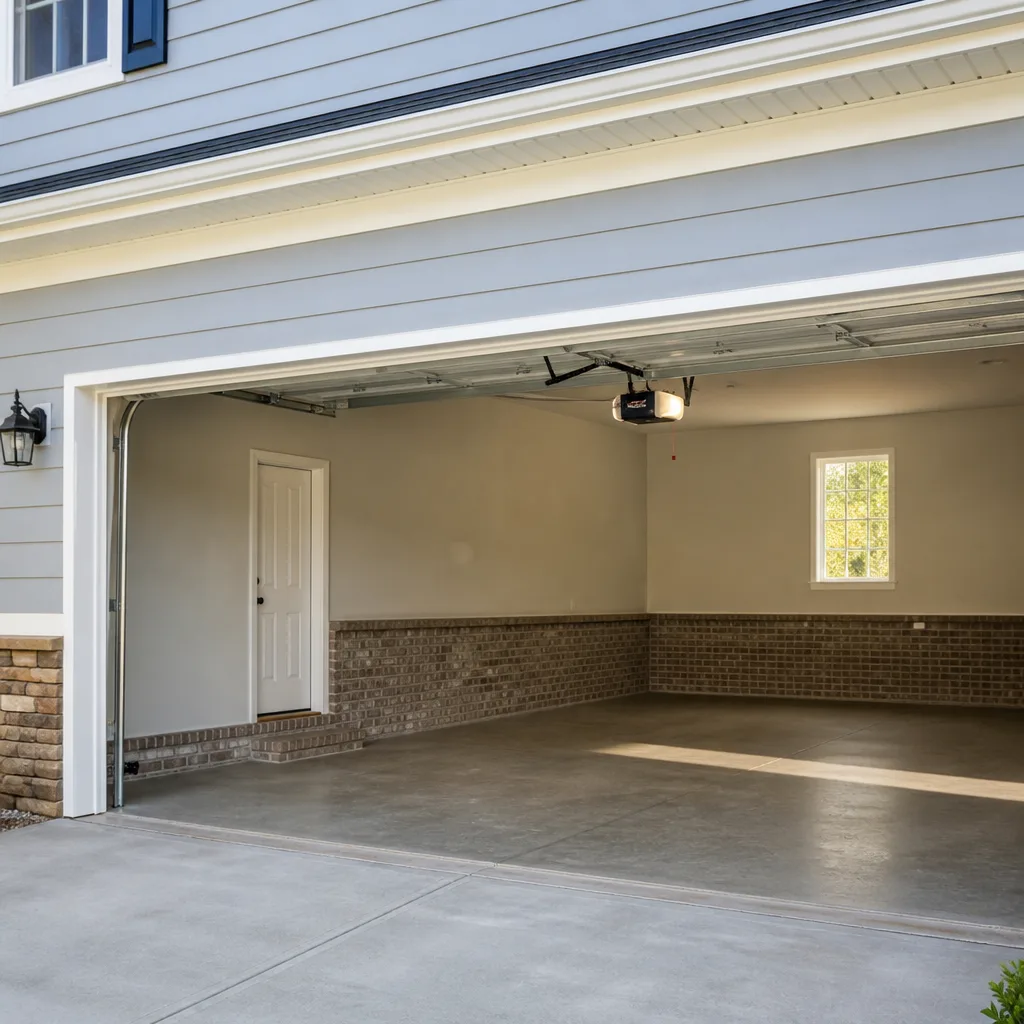
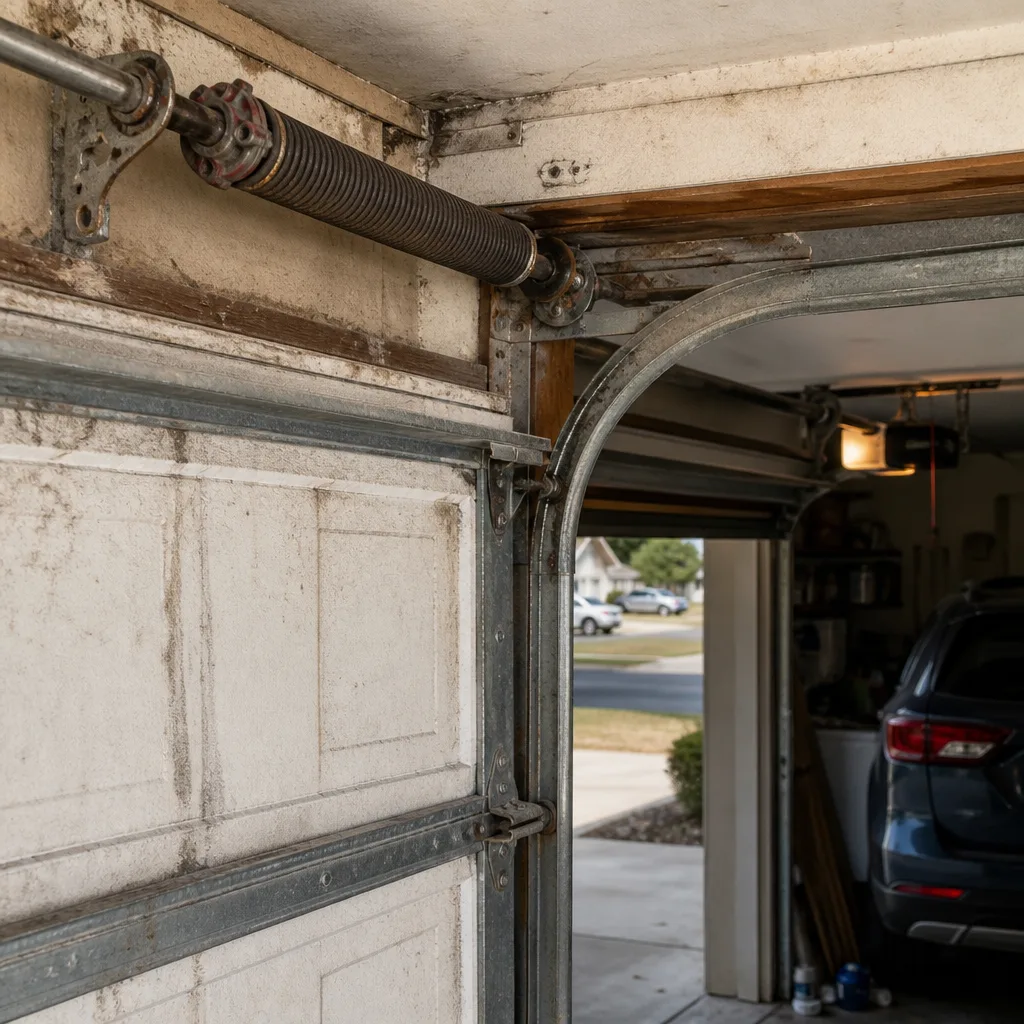 Before
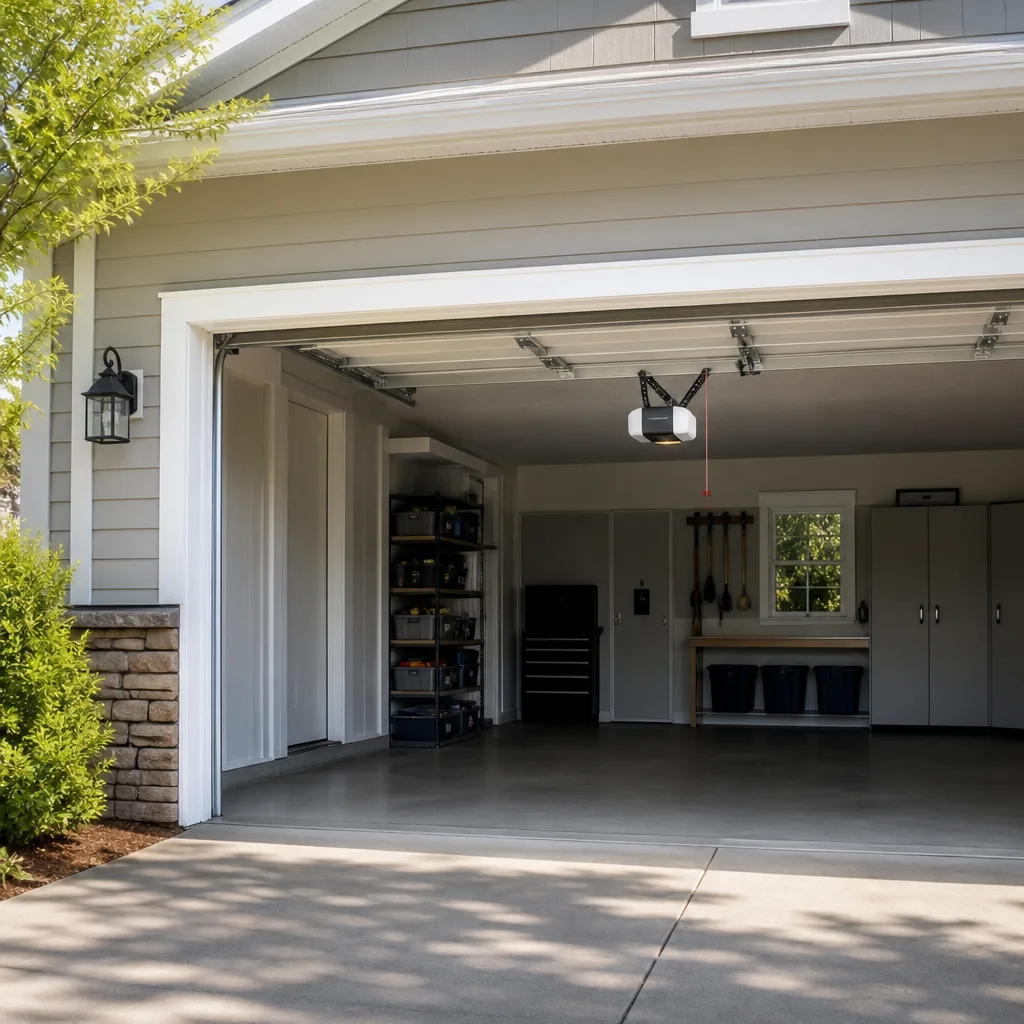
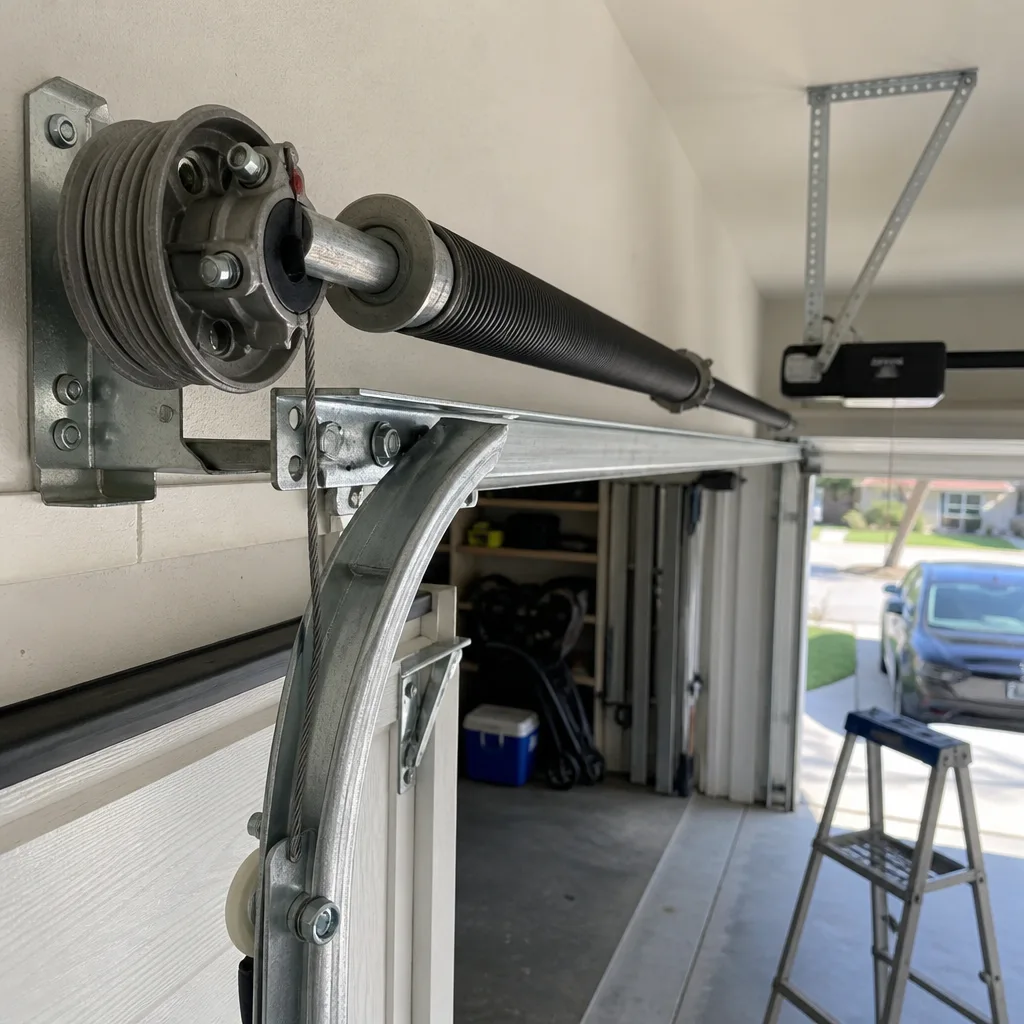 After
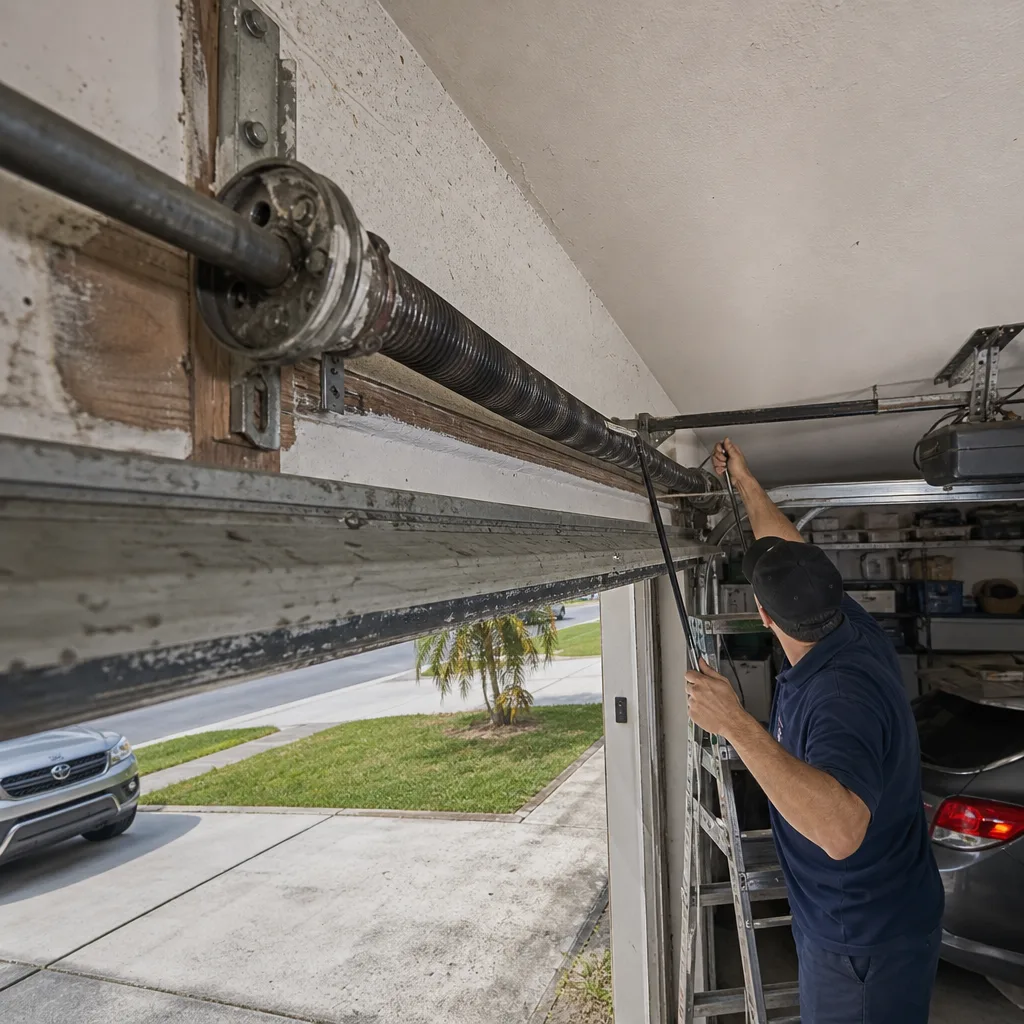 Before
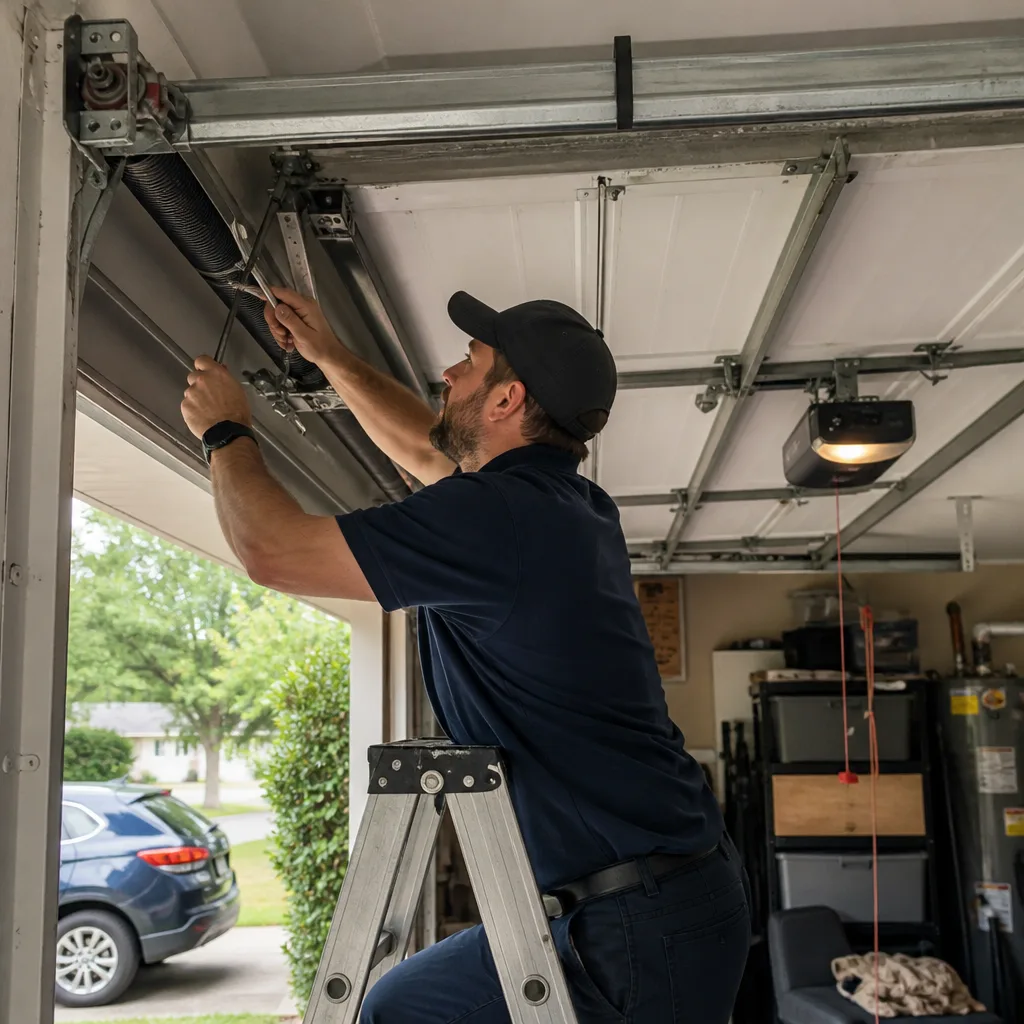 After
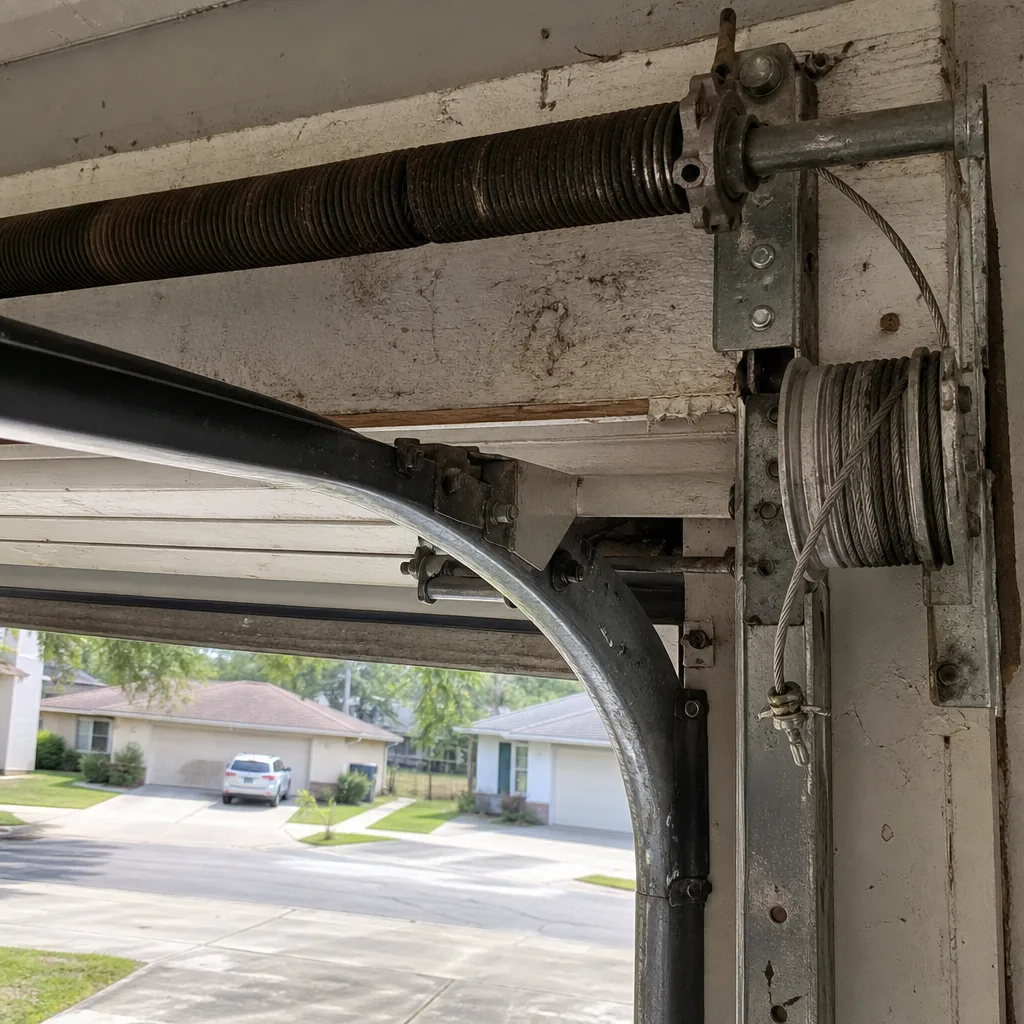 Before
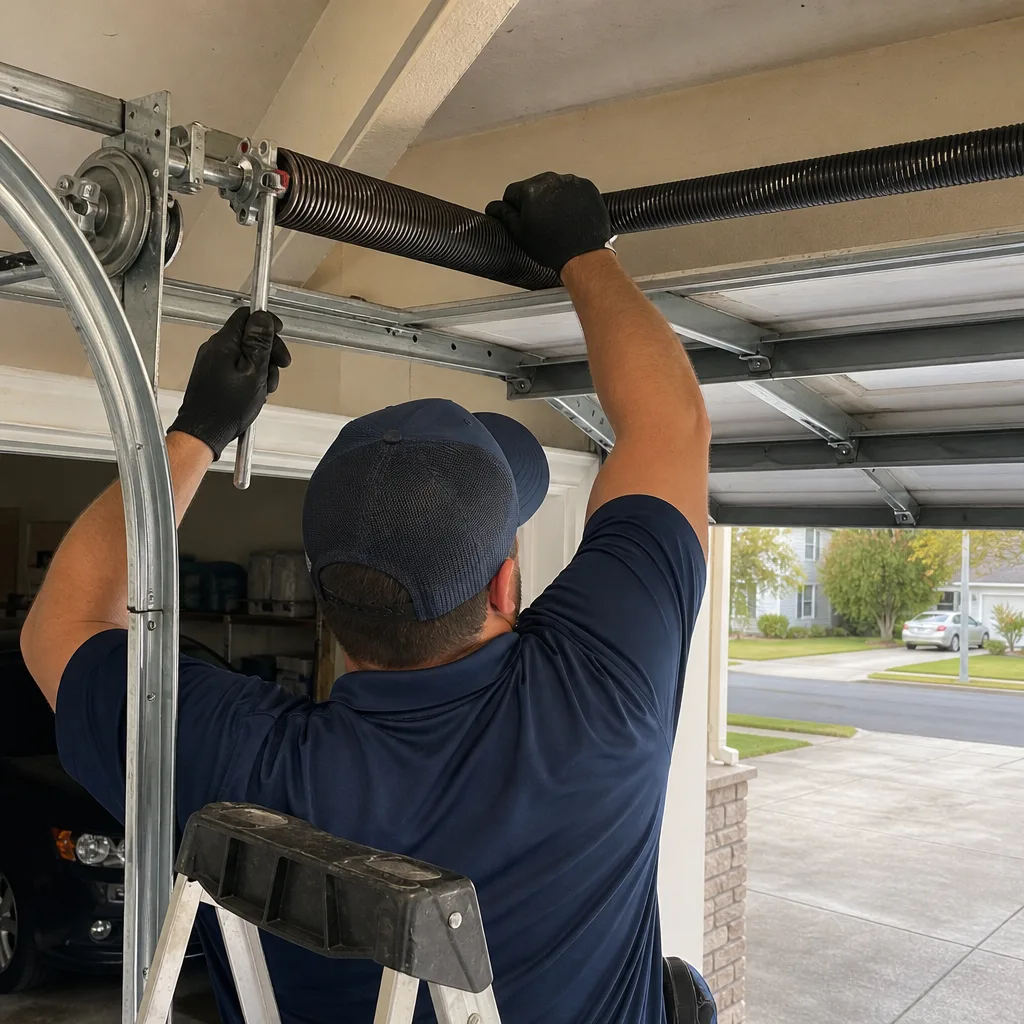 After
When to Call a Professional
Some garage door work is genuinely dangerous. Torsion springs and lifting cables are under enough tension to cause severe injury if they snap, and trying to replace them without the right tools and training is one of the most common causes of serious DIY accidents. If your spring is broken, your cable is frayed, your door has come off its track, or your opener is making grinding noises, call a technician. If your door is dented from a storm and you’re filing an insurance claim, call before you touch anything, because the repair order matters for the claim. Heritage Garage Door Service offers free estimates in Jacksonville, call (833) 711-2679. We work on what you have, not just what we sell.
Frequently Asked Questions
Most garage door repairs in Jacksonville run between $125 and $450, depending on the part. Torsion spring replacement typically costs $180 to $340, opener repair falls between $100 and $300, and replacing a bottom seal or rollers is usually under $200. The exact price depends on your door’s size, brand, and condition. Call (833) 711-2679 for an exact quote, and the price will be confirmed before any work starts.
Jacksonville’s humidity and salt air cause springs to corrode faster than they would in drier, inland markets. That corrosion weakens the spring steel and shortens the spring’s fatigue life, which is why we see 10,000-cycle springs failing around the 6 to 7-year mark here instead of the 8 to 10 years common in other regions. Galvanized or powder-coated springs resist this better and are a worthwhile upgrade.
We strongly recommend against it. Torsion springs are wound under enormous tension, and a mistake during DIY work can cause severe injury. The tools, the technique, and the safety procedures matter, and a broken spring is exactly the kind of problem where a trained professional is worth the cost. It’s not a skill issue. It’s a safety issue.
Twice a year is the right rhythm for this climate. Do a full inspection and lubrication after hurricane season, around November, and again in the spring before the summer heat sets in. Pay special attention to the bottom seal, the hinges, and the torsion spring, because those are the parts that fail first in Jacksonville’s humidity.
If the corrosion is limited to hardware like hinges and rollers, repair usually makes sense. If the panels themselves are rusting, the track is pitted, or the door is more than 15 years old, replacement is often the better use of money, because you’ll keep chasing rust from one component to the next. We’ll tell you straight up which one actually makes sense for your specific door.
In most cases, yes, but the documentation matters. Florida insurers require evidence that the damage was caused by a named storm, and photos taken before any repairs begin are essential. Your policy’s hurricane deductible will apply, so the repair cost has to exceed that threshold. We help Jacksonville homeowners document damage properly and provide written estimates that make the claims process smoother.
The Bottom Line
Your garage door is the hardest-working mechanical system in your house, and in Jacksonville, it works in one of the harshest environments in the country. The humidity, the salt air, and the heat don’t just wear things out, they wear them out predictably, which means the right approach is prevention, the right materials matter, and the right repair partner makes the difference between quiet years and recurring headaches. Know your door’s age, understand which parts are vulnerable, keep up with twice-a-year maintenance, and when something fails, ask for the corrosion-resistant upgrade. It’s almost always the smarter long-term move. If you need help, Heritage Garage Door Service is one call away. You can also browse more guides & resources on our blog. Your LiftMaster, Chamberlain, Genie, Craftsman, Clopay, Amarr, Wayne Dalton, or Raynor system, serviced by someone who knows it.
Call (833) 711-2679 for a free estimate, and the price you’re quoted is the price you’ll pay, confirmed before any work begins.
Written by the team at Heritage Garage Door Service, serving Jacksonville since 2018.